Can You Fly with an E-Bike? What You Need to Know Before Air Travel
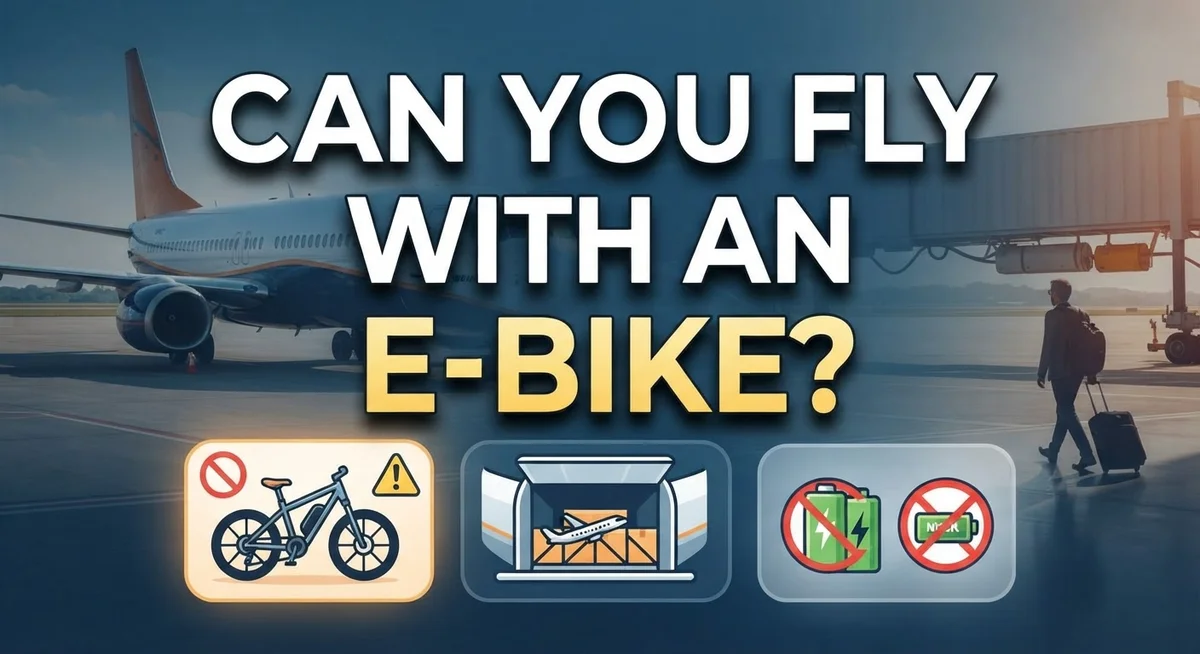
Planning a trip with your e-bike? You might wonder if you can simply pack it up and fly. The answer is more complicated than you think.
Most airlines ban e-bikes outright. Others allow them only under strict conditions. The biggest issue comes down to one thing: the battery.
Lithium batteries are classified as a safety hazard on passenger aircraft. Airlines follow strict rules about what size battery you can bring, and most e-bike batteries exceed these limits by a wide margin.
So does this mean you can’t travel with your e-bike at all? Not exactly. There are ways to make it work, but they require planning ahead.
This guide breaks down everything you need to know. We’ll cover airline policies, battery regulations, and the real limit of 100Wh per pack set by international rules.
You’ll also learn practical steps for shipping your battery separately, protecting your bike during transport, and avoiding common mistakes that trip up other riders.
By the end, you’ll know exactly what to expect and how to prepare for your next trip.
In a Nutshell
Here’s the quick rundown on flying with an e-bike.
-
You cannot fly with the battery. Lithium batteries count as a safety hazard, so airlines ban them from passenger planes.
-
The bike frame can often travel. Most airlines allow the e-bike itself once you remove the battery pack completely.
-
Shipping is your best option. Send the battery through ground transport instead. This keeps you compliant with aviation rules.
-
Timing matters a lot. Plan for at least two weeks lead time when shipping your battery separately.
-
Protection prevents damage. Use a sturdy case or straps to keep your bike safe during any transport method.
-
Always check airline policy first. Rules vary between carriers, so confirm requirements before you book your flight.
Flying with an e-bike takes extra planning, but it’s not impossible. You just need to separate the battery, ship it ahead of time, and protect your bike properly. A little preparation now saves you stress at the airport later.
Why Lithium Batteries Are Restricted on Flights
Lithium batteries power your e-bike, but they create serious safety concerns on aircraft. Airlines and aviation authorities classify these batteries as dangerous goods because they can catch fire or explode under certain conditions.
Why the ban exists Lithium batteries generate heat during charging and discharging cycles. At high altitudes, cabin pressure changes and temperature fluctuations can trigger thermal runaway. This is a chain reaction where the battery overheats uncontrollably. Once this starts, it’s nearly impossible to stop.
Cargo hold temperatures are unpressurized and unmonitored. A single battery fire in that space could spread rapidly without crew detection. This risk applies to all lithium batteries, regardless of size or brand.
International regulations Aviation authorities worldwide enforce strict limits. The maximum allowed capacity is 100Wh per battery pack for any lithium battery on a passenger flight. Your e-bike battery almost certainly exceeds this limit.
Even if your battery falls under 100Wh, you still cannot bring it on board. The rules state that e-bike batteries are prohibited entirely because they’re designed for high power output. Standard lithium batteries used in phones or laptops have different discharge rates and safety profiles.
What this means for you You must remove the battery completely before flying. The airline will not accept it in checked luggage or carry on bags. Attempting to bring a lithium battery on board violates federal law and can result in serious fines or criminal charges.
Your shipping option Ground transport is your safest alternative. Battery shipping takes 2 to 3 weeks, so plan ahead. Ship your battery separately from your bike using a carrier that accepts lithium batteries. This adds time and cost to your trip, but it’s the only legal method.
Airline Policies on E-Bikes: What to Check Before You Book
Before you book your flight, you need to check your airline’s specific e-bike policy. Airlines don’t all follow the same rules, and policies change frequently. Spending 10 minutes on this step prevents major problems later.
Start by visiting your airline’s official website. Look for sections labeled “sporting equipment,” “bicycles,” or “restricted items.” Most airlines have dedicated pages explaining what you can and cannot bring. Read the entire policy, not just the summary.
Call the airline directly if you’re unsure. Website policies sometimes lack detail about e-bikes specifically. A quick phone call clarifies whether your bike frame is allowed without the battery. Ask about size restrictions, weight limits, and protective case requirements.
Write down the airline’s specific rules. Different carriers have different dimensions for bike boxes. Some airlines charge fees for oversized items. Others require advance notice. Document everything so you have proof if questions arise at the airport.
Check policies for every airline on your route. If you’re flying with a connection, both carriers’ rules apply. Your bike must meet the strictest requirements of all airlines involved. Don’t assume connecting flights use the same policy.
Verify battery shipping restrictions too. Even though your battery travels separately, ground shipping companies have their own rules. Some carriers won’t ship lithium batteries at all. Others require special packaging and documentation. Confirm this works before you book your flight.
Look for any recent policy updates. Airlines update rules regularly, especially post-pandemic. A policy from six months ago might not reflect current standards. Check the website update date to confirm you’re reading current information.
Keep screenshots or printed copies of the policy. If problems occur at the airport, you’ll have documentation showing what the airline stated. This protects you and helps resolve disputes quickly.
Step-by-Step: How to Prepare Your E-Bike for Air Travel
Start by removing your battery pack completely. This is the most critical step because lithium batteries cannot travel on passenger aircraft under any circumstances. Locate the battery attachment point on your frame and carefully detach it according to your e-bike’s manual instructions.
Next, inspect your bike for any loose parts or accessories. Remove pedals, water bottles, and lights that might shift during transport. Fold or remove kickstands to prevent them from catching on luggage or causing damage.
Deflate your tires partially, about halfway. This reduces pressure inside the tires and prevents them from bursting due to altitude changes and temperature fluctuations during flight. Leave enough air so the tires maintain their shape.
Protect your bike frame and components by wrapping them carefully. Use bubble wrap, foam padding, or blankets around the frame, handlebars, and seat. Pay special attention to the derailleur and brake components, which are fragile and easily damaged.
Place your bike in a protective case, bag, or cardboard box designed for air travel. Make sure the bike fits snugly inside without shifting around. Secure it with straps or packing tape so nothing moves during handling.
Arrange battery shipping separately at least two weeks before your flight. Use ground transport services that accept lithium batteries. Never attempt to ship your battery through standard mail or courier services that prohibit hazardous materials.
Take photos of your bike before packing it. This creates documentation of its condition for insurance purposes if damage occurs during transport.
Label your bike case clearly with your name, phone number, and destination address. Include fragile stickers or warning labels to alert baggage handlers.
Finally, weigh your packed bike at home. Airlines have weight limits for checked baggage, and knowing the total weight helps you avoid surprise fees at the airport.
Shipping Your E-Bike Battery Separately
Shipping your e-bike battery separately requires careful planning and specific steps. Ground transport is your only legal option since lithium batteries cannot fly on passenger aircraft under any circumstances.
Start by researching ground shipping companies at least two weeks before your trip. These services specialize in moving batteries and other hazardous materials safely. Contact them directly to confirm they accept lithium batteries and understand their specific requirements.
Package your battery securely before shipping. Wrap it in protective material to prevent damage during transit. Many shipping companies provide guidelines on proper battery packaging. Follow these instructions exactly to avoid delays or rejection of your shipment.
Document your battery’s specifications before shipping. Write down the voltage, watt hour rating, and model number. This information helps you track your shipment and proves compliance with regulations.
Ship your battery to your destination address, not your departure airport. Timing matters here. Send it early enough to arrive before you travel. Plan for potential delays by shipping at least two to three weeks in advance.
Keep all shipping receipts and tracking information. You may need these documents if questions arise about your battery’s location. Take photos of your battery before packing it for shipping.
Consider shipping costs in your travel budget. Battery shipping typically costs more than standard packages due to hazardous material handling fees. This expense adds up quickly, especially for longer distances.
Track your shipment regularly using the tracking number provided. Confirm delivery before your flight departs. If your battery doesn’t arrive on time, contact the shipping company immediately.
When you arrive at your destination, collect your battery promptly. Install it back onto your e-bike once you have both items together. This approach keeps you compliant with aviation laws while getting your bike and battery to your destination safely.
Packing and Protecting Your E-Bike Frame for Transport
Your e-bike frame needs serious protection during air travel. The frame is vulnerable to dents, cracks, and paint damage when luggage handlers toss your bike around at the airport.
Start by gathering protective materials before packing day arrives. Bubble wrap works well for wrapping the frame tubes. Foam padding adds extra cushioning around the seat tube and down tube areas. Old towels or blankets can wrap around the entire frame for additional safety.
Protect high risk areas first. The derailleur hangs out and breaks easily during transport. Wrap it thickly with bubble wrap or foam. The handlebars can snap if they twist during loading. Bend them parallel to the frame or remove them completely if your case allows it.
When wrapping your frame, start at the head tube and work down systematically. Cover every section where metal touches metal inside your case. Pay special attention to corners where the frame connects to other components. These joints experience stress during bumpy cargo handling.
Use a bike specific case or sturdy cardboard box. Hard cases offer maximum protection but cost more. Cardboard boxes work fine if you pad them well inside. Fill empty spaces with crumpled paper, foam, or towels. Your frame should not shift around inside the container at all.
Secure straps keep components from moving during flight. Use soft straps or velcro wraps rather than hard rope that can damage paint. Strap the frame at multiple points to prevent rotation.
Consider removing pedals and turning the crank arms inward. This reduces the overall size and protects protruding parts. Wrap pedals separately in your luggage.
Take photos of your wrapped bike before sealing the case. These images help with insurance claims if damage occurs. Document the frame condition clearly from multiple angles before packing.
Common Mistakes Travelers Make When Flying with E-Bikes
Travelers often make critical mistakes when flying with e-bikes. Understanding these errors helps you avoid costly problems and travel smoothly.
The biggest mistake is attempting to fly with a battery installed. Airlines prohibit lithium batteries on passenger aircraft due to fire risks. Many travelers assume they can simply remove the battery at the airport, but this creates confusion and delays. You must plan battery shipping separately before your flight date.
Another common error involves underestimating shipping timelines and costs. Shipping a battery via ground transport takes two or more weeks. If you book your flight without accounting for this delay, your battery arrives after you do. This leaves you stranded without your e-bike at your destination. Always ship your battery at least two weeks in advance.
Inadequate bike protection during transport causes significant damage. Travelers sometimes use flimsy boxes or insufficient padding. Your bike frame, derailleur, and components need robust cushioning. Road debris, hot exhausts, and rough handling during transport can destroy unprotected parts. Invest time in proper wrapping and use a protective case designed for bikes.
Many people fail to verify airline policies before booking tickets. Different airlines have different rules about e-bikes. Some ban them entirely, while others allow them with battery removal. Checking your specific airline’s policy prevents surprises at the ticket counter.
Travelers also forget to document their bike’s condition with photos. Take clear pictures before packing everything. These images protect you if your airline or shipping company causes damage during transport.
Finally, people neglect to keep shipping receipts and tracking information organized. You need these documents to track your battery and file claims if something goes wrong. Store receipts in a dedicated folder on your phone or computer.
Avoiding these mistakes makes your e-bike travel experience far less stressful and more successful.
Troubleshooting: What to Do If Your Plans Change Last Minute
Your travel plans just changed, and now you’re wondering if you can still fly with your e-bike. This happens more often than you’d think, and the good news is you have options.
First, contact your airline immediately. Don’t wait until the day before your flight. Call their customer service and explain your situation. Ask if they allow e-bikes on your new flight date. Some airlines have specific blackout dates or seasonal restrictions. Getting this answer fast saves you time and stress.
Next, check if battery shipping is still possible. Remember that lithium batteries need ground transport only, which takes two or more weeks. If your new trip date is sooner than that, you’ll need a different approach. You might need to ship your battery to your destination address instead of carrying it yourself.
Consider whether purchasing or renting locally makes sense. If your new travel date is very soon, buying or renting an e-bike at your destination could be simpler than rushing to ship everything. This removes the pressure of tight shipping deadlines.
Document everything in writing. Email your airline confirming what they told you about e-bikes. Keep these emails as proof if problems arise later. Screenshot any policies from their website too.
If you’re shipping your battery, use expedited ground shipping if available. This costs more but gets your battery there faster. Track your shipment obsessively once it ships.
Pack your e-bike frame only if you’re flying. Wrap it securely in protective materials. Use a bike case or sturdy box. Your frame alone is much easier to handle than the complete bike with battery.
Finally, give yourself buffer time. Don’t cut shipping deadlines too close. Last minute changes already stress you out. Adding rushed shipping on top of that creates unnecessary problems. Stay calm, plan carefully, and communicate with your airline throughout the process.
Final Thoughts
Flying with an e-bike takes extra planning. You cannot simply pack it like a regular suitcase. The battery is the biggest hurdle, and most airlines will not let you bring it onboard.
The good news is that flying without your battery is still possible. You just need to plan ahead and separate your battery from your bike early.
Always check your airline’s policy first. Rules change often, and what worked last year might not work today. A quick call or email can save you from a stressful surprise at the airport.
Give yourself plenty of time before your trip. Shipping a battery through ground transport can take two weeks or longer. Waiting until the last minute puts your whole trip at risk.
Protecting your bike matters just as much as handling the battery. Use a sturdy case or box, and wrap fragile parts carefully. A damaged bike waiting for you at your destination is not a fun way to start a vacation.
Think about costs too. Shipping a battery separately adds expense you might not expect. Factor this into your travel budget so there are no surprises later.
If your plans change suddenly, stay calm and act fast. Contact your airline, check shipping options, and consider local rental or purchase if time runs short.
Traveling with an e-bike is not impossible. It just requires more steps than regular luggage. Know the rules, plan early, and protect your gear.
With the right preparation, you can enjoy your e-bike at your destination without unnecessary stress. Smart planning now means smooth travel later. Treat your e-bike like valuable cargo, because it is.
In the end, flying with an e-bike comes down to one simple idea: prepare early, stay informed, and your trip will go smoothly from start to finish.
Frequently Asked Questions
Can I bring my e-bike battery on the plane in my carry on or checked luggage?
No. Lithium batteries are strictly prohibited on all passenger aircraft. This applies to both carry on and checked bags. The Federal Aviation Administration and international aviation authorities classify lithium batteries as dangerous goods due to fire risk. Your battery must stay behind or ship separately via ground transport only.
What happens if I try to fly with my battery installed in the bike?
Airlines will catch it during security screening. You face confiscation of your bike, potential fines, and possible legal consequences. Your flight may be delayed or cancelled. Don’t attempt this. Always remove your battery before heading to the airport.
How long does it take to ship a battery separately?
Ground shipping typically takes 2 to 4 weeks depending on distance and shipping method. Plan ahead and ship your battery at least 2 to 3 weeks before your trip. Expedited ground options may exist but cost more. Contact your shipping carrier to confirm they accept lithium batteries, as many have restrictions.
Is there a weight or capacity limit for e bike batteries I can ship?
International regulations limit batteries to 100Wh maximum for ground shipping. Check your battery’s watt hour rating on the label. Most e bikes fall within this range, but larger batteries may face additional shipping restrictions or requirements. Contact your airline and shipping provider to confirm your specific battery is acceptable.
What’s the cheapest way to travel with my e bike if I can’t fly with the battery?
Consider renting or purchasing a bike locally at your destination. This eliminates shipping costs entirely. If you must bring your own bike, factor in protective cases, separate battery ground shipping, and potential damage fees. Compare total costs against local rental prices before deciding.

Philips is the founder and lead writer at GearheadGarageFinds.com, a passionate automobile enthusiast who has spent years testing, comparing, and reviewing auto products and accessories to help fellow gearheads make smarter buying decisions. When he’s not under the hood or behind the keyboard, you’ll find him exploring the latest automotive innovations and hunting for the best garage finds on the market.