How to Protect Your Car Seats From Kids and Pets
Kids and pets bring a lot of joy to car rides. They also bring crumbs, muddy paws, and the occasional juice spill.
Your car seats take the hit every single day. Over time, this damage adds up fast.
Small scratches turn into deep scuffs. Tiny stains become permanent marks. Before you know it, your once clean interior looks worn out.
The good news? You can stop this damage before it starts. Simple steps protect your seats from kids and pets without much effort.
This guide walks you through practical ways to guard your upholstery. You will learn how to install car seats safely using locked seat belts. We cover the best types of protectors, including machine washable and liquid repellant options.
You will also discover smart placement tips, like keeping child seats in the back away from airbags. We share common mistakes to avoid, from bulky clothing under harnesses to twisted straps.
Pet owners get extra tips too, like choosing covers with harness slots for safety.
By the end, you will know exactly how to keep your car seats looking fresh. Clean seats mean less stress and more enjoyable trips for everyone.
In a Nutshell
Here’s a quick summary to keep your car seats safe and clean:
-
Place child seats in the back. This keeps kids away from airbags and boosts safety.
-
Lock the seat belt tight. A secure fit stops the car seat from sliding or shifting.
-
Pick washable, liquid-repellant covers. These protectors handle spills and stains with ease.
-
Slide covers under car seats first. This step blocks direct contact damage to your upholstery.
-
Look for pet covers with harness slots. Safety and protection go hand in hand for furry passengers.
-
Fix small scuffs with a heat gun. This trick smooths out minor scratches fast.
-
Avoid bulky clothes under harness straps. Thick jackets can loosen the fit and reduce safety.
-
Never twist harness straps or drape blankets over them. Keep straps flat and tuck blankets outside only.
Small habits like these protect your car seats every day. You get a cleaner ride and safer trips for everyone in the family.
Why Car Seat Protection Matters
Your car seats face constant wear and tear. Kids spill juice, drop crackers, and jump around. Pets shed fur, leave muddy paw prints, and scratch surfaces. Over time, these small incidents add up to serious damage.
Protecting your seats saves you money. Replacing or repairing car upholstery costs far more than buying protective covers. A single deep stain or tear can require expensive restoration work. Prevention is always cheaper than repair.
Seat protection also keeps your vehicle’s resale value high. Buyers notice damaged upholstery immediately. Clean, well maintained seats tell potential buyers you cared for the car. This matters when you eventually sell or trade in your vehicle.
Your family stays safer with proper protection too. Protective covers secure child car seats in place, preventing sliding during sudden stops. They also reduce distractions caused by messy interiors. When your car stays clean, you focus better on driving.
Pet owners gain extra benefits. Protective covers with harness slots keep your animals secure while shields prevent scratches and odors from building up. Your car won’t smell like a kennel after every trip.
Protection extends the life of your original upholstery. Leather, fabric, and vinyl all degrade faster when exposed to spills, UV rays, and constant friction. Quality covers act as a barrier between your seats and daily damage.
Clean seats create a better driving experience. You feel more comfortable in a tidy car. Passengers notice the difference too. A well protected interior shows pride in ownership.
Protection also reduces stress. Parents and pet owners worry less about accidents happening during drives. You can relax knowing your seats are guarded against whatever mess comes next.
Starting protection early prevents permanent damage from forming. The longer you wait, the harder stains become to remove. Begin protecting your seats today to enjoy a cleaner, safer car for years to come.
Choosing the Right Type of Seat Protector
Seat protectors come in different types, each designed for specific needs. Understanding your options helps you pick the right one for your situation.
Universal fit protectors work on most vehicles. These covers slide under your seat and attach with straps or anchors. They’re affordable and easy to install without tools. However, they may not fit perfectly on every car model, so check compatibility before buying.
Custom fit protectors are made for your exact vehicle make and model. They provide better coverage and a snug fit. These protectors stay in place during daily use and don’t shift around. The downside is they cost more than universal options.
Material matters for protection. Fabric protectors work well for light use. They’re soft and comfortable but may absorb liquids. Waterproof materials are better for families with young children or pets. Look for covers that are machine washable. This feature makes cleaning spills and accidents simple.
Thickness varies between products. Thin protectors offer basic coverage for minor wear. Thick, padded covers provide stronger defense against scratches and deep damage. High traffic areas like the driver’s seat benefit from thicker protection.
Pet owners need special features. Look for covers with harness slots and seat belt openings. These allow you to secure pet carriers or harnesses safely. The slots keep your pet protected while the cover shields your upholstery.
Layering is an option too. You can combine multiple protectors for maximum coverage. Place a thin base layer first, then add a thicker cover on top. This approach works well for seats that take heavy daily abuse.
Check your vehicle model first. Different cars have different seat shapes and sizes. Measure your seats before choosing a protector. This step ensures proper fit and maximum protection for your investment.
Step-by-Step: Installing Car Seat Protectors Safely
Installing car seat protectors properly ensures they stay in place and do their job. Start by removing any items from your car seat. Vacuum the seat thoroughly to remove crumbs and debris. A clean surface helps the protector grip better and prevents dirt from getting trapped underneath.
Next, position your protector under the car seat before installation. Slide it all the way to the back of the seat. Make sure it covers the entire seating area where your child or pet will sit. Smooth out any wrinkles or bunches as you go.
Secure the protector firmly by tucking it into the crevices between the seat cushion and backrest. Pull it tight so it doesn’t shift when someone sits down. If your protector has straps or clips, attach them according to the instructions. These hold everything in place during use.
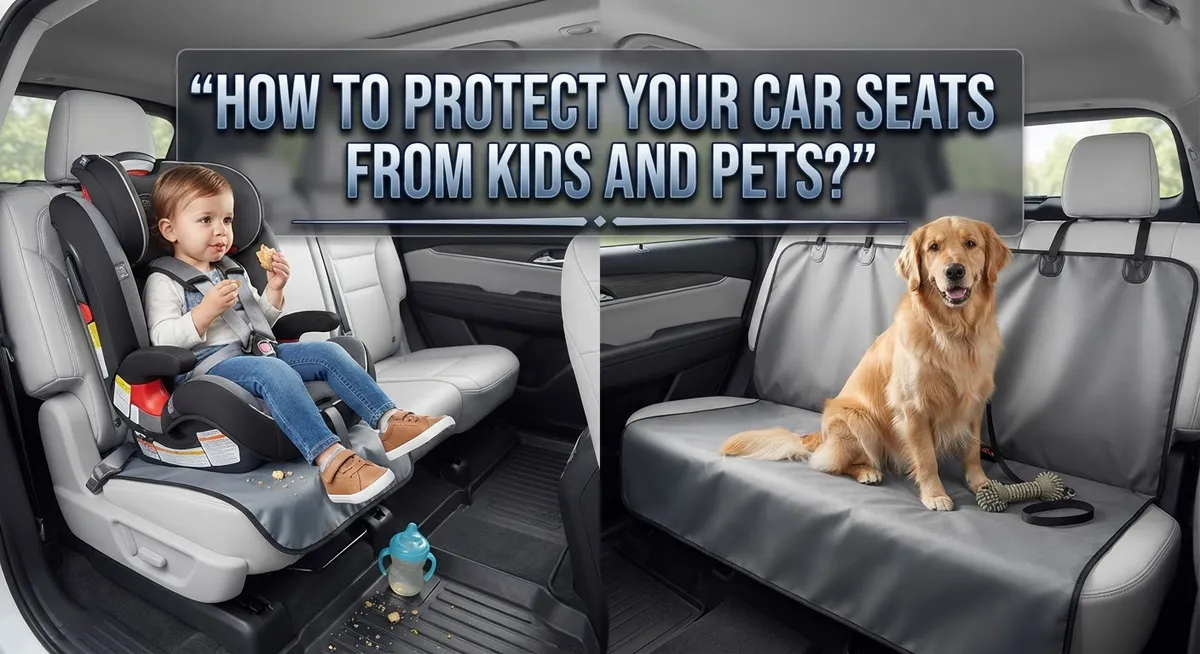
For child car seats, install your safety seat on top of the protector. Lock the seat belt tightly through the car seat base. The seat belt should click and feel secure. Double check that nothing shifts when you pull on the car seat firmly.
If you’re using a pet cover, make sure harness slots line up with your pet’s harness attachment points. This keeps your furry friend safe while protecting your seats.
Test the installation by tugging on the protector and car seat. Neither should move or slide around. If something feels loose, adjust and retighten everything.
Clean your protector regularly by shaking out loose debris. For machine washable covers, remove them monthly and wash according to instructions. Let them dry completely before reinstalling.
Check your protector occasionally for wear or damage. Replace it if you notice tears or areas where liquid can seep through. Proper installation takes just a few minutes but protects your investment for years to come.
Best Practices for Protecting Seats From Kids
Kids bring joy, mess, and wear to your car seats. Protecting them requires smart choices and proper setup. Here’s what you need to know.
Start with the right protector type. Machine-washable protectors work best for families with children. They trap spills and crumbs without letting liquids soak into your upholstery. Liquid-repellant materials keep moisture on the surface where you can wipe it away.
Position protectors correctly under child car seats. Place the protector flat on your seat before installing the safety seat on top. This creates a barrier between the car seat and your upholstery. Tuck the protector edges into the crevices between the seat cushion and backrest so it stays put.
Secure your child car seat properly. Use your vehicle’s seat belt or LATCH system to lock the safety seat down firmly. A loose seat can shift and damage both the protector and upholstery. Check that the seat belt doesn’t twist as you fasten it.
Layer protectors in high-wear areas. The back seat takes the most damage from kids getting in and out. Add thicker covers to these spots for extra defense against scratches and scuffs.
Maintain your protectors regularly. Shake out crumbs and debris after each trip. This prevents buildup that can scratch your seats over time. Remove protectors periodically and check underneath for any damage you missed.
Watch for small damage early. Minor scratches and scuffs happen despite your best efforts. Catching them early prevents them from spreading. Light damage sometimes responds to simple heat treatment before it becomes permanent.
Keep protectors clean and dry. Wash machine-washable covers as needed. Let them dry completely before reinstalling. Damp protectors can trap moisture against your upholstery and cause mold or mildew growth.
Best Practices for Protecting Seats From Pets
Pets bring joy to your car rides, but they also bring dirt, fur, and potential damage to your seats. Protecting your upholstery from your furry friends requires smart planning and the right approach.
Choose protectors with pet specific features. Look for covers that include harness slots or attachment points. These slots let you secure your pet safely while keeping the protector in place. The cover stays put, and your pet stays secure during the drive.
Liquid repellant materials are essential for pet owners. Pets have accidents. They drool. They shake off water after rain. A protector that repels liquids prevents spills from soaking into your original seat fabric. Machine washable options make cleanup simple when accidents happen.
Layer your protection in high traffic areas. Pets jump in and out of your car constantly. The back seat corners and edges take the most wear. Use thicker protectors in these zones. Add extra layers where your pet typically lands or climbs.
Secure the protector properly to prevent shifting. A loose cover slides around when your pet moves. Tuck the edges firmly into the crevices between seat cushions and the backrest. This keeps everything stable and prevents your pet from burrowing underneath.
Shake out debris regularly. Pet hair, dirt, and sand accumulate quickly. Remove loose debris after each trip by shaking out your protector. This prevents buildup and keeps your car cleaner overall.
Test harness compatibility before trips. If you use a pet harness or carrier, make sure it works smoothly with your protector setup. The harness attachment points should align with your protector’s slots. Your pet should sit comfortably without any straps twisted or pinched.
These practices work together to keep your seats clean and protected while your pet enjoys the ride safely.
Common Mistakes to Avoid
Many car owners make simple mistakes that reduce how well their seat protectors work. Understanding these errors helps you protect your investment better.
Don’t skip the installation step. Many people place protectors loosely on their seats without securing them properly. A loose protector shifts around when kids bounce or pets move. This defeats the whole purpose of having one. Take time to tuck the protector into seat crevices so it stays put.
Avoid using the wrong protector type for your situation. Some people buy pet covers for families with young children, or vice versa. Pet covers often lack the right features for child car seats. Child protectors may not have the harness slots pets need. Match your protector to your actual needs.
Don’t neglect regular cleaning. Crumbs, dirt, and pet hair build up quickly on protectors. When you ignore this buildup, it can scratch your actual seat underneath. Shake out debris after each trip. This takes just seconds but makes a big difference.
Avoid placing car seats in front seats. Some parents think the front is more convenient. Front seats have active airbags that can harm children during accidents. Always use back seats for child safety seats. This rule protects your child and keeps your front seats cleaner too.
Don’t use blankets over harnesses. Some people cover harnesses with blankets to keep kids warm. This creates dangerous slack in the straps. Instead, tuck blankets around the outside of the harness only.
Avoid twisting harness straps. Twisted straps reduce safety and look messy. Smooth them out each time you fasten your child in.
These simple mistakes are easy to fix once you know about them. Proper installation, regular maintenance, and correct usage keep your seat protectors working effectively for years.
Maintaining and Cleaning Your Seat Protectors
Your seat protectors need regular care to stay effective and last longer. Cleaning them properly keeps them fresh and ready to handle new spills and messes.
Start with a simple routine after each trip. Shake your protectors vigorously to remove loose crumbs, pet hair, and dirt. This quick step prevents debris from grinding into the fabric and damaging your seats underneath. Spend just two minutes doing this, and you’ll notice a big difference over time.
For deeper cleaning, use your washing machine on a gentle cycle with cold water. Most machine-washable protectors handle this well without losing their protective coating. Add mild detergent and skip the fabric softener, which can reduce water repellency.
Air drying works best for your protectors. Hang them or lay them flat in a shaded area. Direct sunlight and high heat can damage the liquid-repellant treatment that keeps spills from soaking through.
Spot cleaning handles fresh spills immediately. Use a damp cloth with mild soap to wipe away stains before they set. For stubborn marks, let the soapy water sit for a few minutes, then gently scrub and rinse.
Check your protectors monthly for wear spots or damage. Small tears can grow larger if you ignore them. If you find damage, address it quickly to prevent your car seats from getting exposed to spills and scratches.
Reapply water-repellant treatment yearly or as needed. Most protectors lose their protective coating over time from washing and use. Reapplication keeps them working like new and extends their lifespan.
Store your protectors in a clean, dry place when not in use. Keep them away from direct sunlight and extreme temperatures. Proper storage prevents mold, mildew, and material degradation between uses.
Final Thoughts
Protecting your car seats does not need to be complicated. With the right approach, you can keep your seats clean and safe for years.
Your child’s safety always comes first. Always place car seats in the back, away from airbags. Lock the seat belt properly for a secure fit every time.
Choosing the right protector matters just as much as using it correctly. Machine washable, liquid repellant materials handle spills and messes best. They save you time and effort in the long run.
Small habits make a big difference. Check your straps before every drive. Make sure the harness sits flat against your child’s body, not over bulky clothing.
Regular maintenance keeps your investment working well. A few minutes of care after each trip prevents bigger problems later. Clean seats also mean a healthier space for your family.
Think about your specific needs before buying. Families with pets need different features than families with only kids. Some households need both types of protection at once.
Small scratches and scuffs do not mean the end of your seats. A heat gun can often fix minor damage quickly. This simple trick saves you money on repairs.
Your car sees daily wear from busy family life. Kids spill drinks. Pets shed fur and track in dirt. Good protection handles all of this without stress.
Take these steps seriously, but keep things simple. You do not need every product on the market. You just need the right combination for your family.
A clean, well protected car makes every trip more pleasant. Your seats last longer. Your family stays comfortable and safe. That is the real goal behind all this effort.
With these tips in mind, you are ready to protect your car seats effectively. Start today, and enjoy a cleaner, safer ride tomorrow.
Frequently Asked Questions
Can I use a seat protector with a car safety seat installed?
Yes, you can use a seat protector underneath your car safety seat. Place the protector on the seat first, then install your car safety seat on top of it. This setup protects your upholstery from direct contact damage while keeping your child secure.
Make sure the protector doesn’t interfere with the seat belt installation. The seat belt should lock firmly through the protector material. Check that nothing shifts or moves when you tug on the installed seat.
What’s the best way to protect car seats from pet accidents?
Choose protectors made from liquid-repellant materials that prevent liquids from soaking through to your upholstery. These materials allow you to wipe up accidents quickly before they cause permanent damage.
Look for covers with openings for seat belts and pet harness attachment points. This keeps your pet safely secured while protecting your seats. Machine-washable options let you handle accidents by simply removing and washing the cover.
How often should I clean my seat protectors?
Shake out your protectors after each trip to remove loose debris, crumbs, and pet hair. This quick step prevents buildup that can trap moisture or cause odors.
For deeper cleaning, wash protectors monthly or as needed using a gentle cycle with cold water. Air dry them completely before reinstalling. Spot clean fresh spills right away with a damp cloth and mild soap to prevent stains from setting permanently.
Do seat protectors work for both kids and pets?
Some protectors work well for both situations, while others are designed specifically for one or the other. Combination protectors often include features like pet harness slots and high sides to contain spills from children’s snacks and drinks.
Consider your main needs first. If you have both kids and pets, look for protectors that address both concerns without compromising safety or functionality for either.

Philips is the founder and lead writer at GearheadGarageFinds.com, a passionate automobile enthusiast who has spent years testing, comparing, and reviewing auto products and accessories to help fellow gearheads make smarter buying decisions. When he’s not under the hood or behind the keyboard, you’ll find him exploring the latest automotive innovations and hunting for the best garage finds on the market.