Can E-Bike Batteries Freeze Outside? Cold Weather Guide
Winter rides can feel amazing. The cold air hits your face. The streets are quiet and peaceful.
But your e-bike battery does not enjoy the cold as much as you do. Freezing temperatures can seriously harm battery performance.
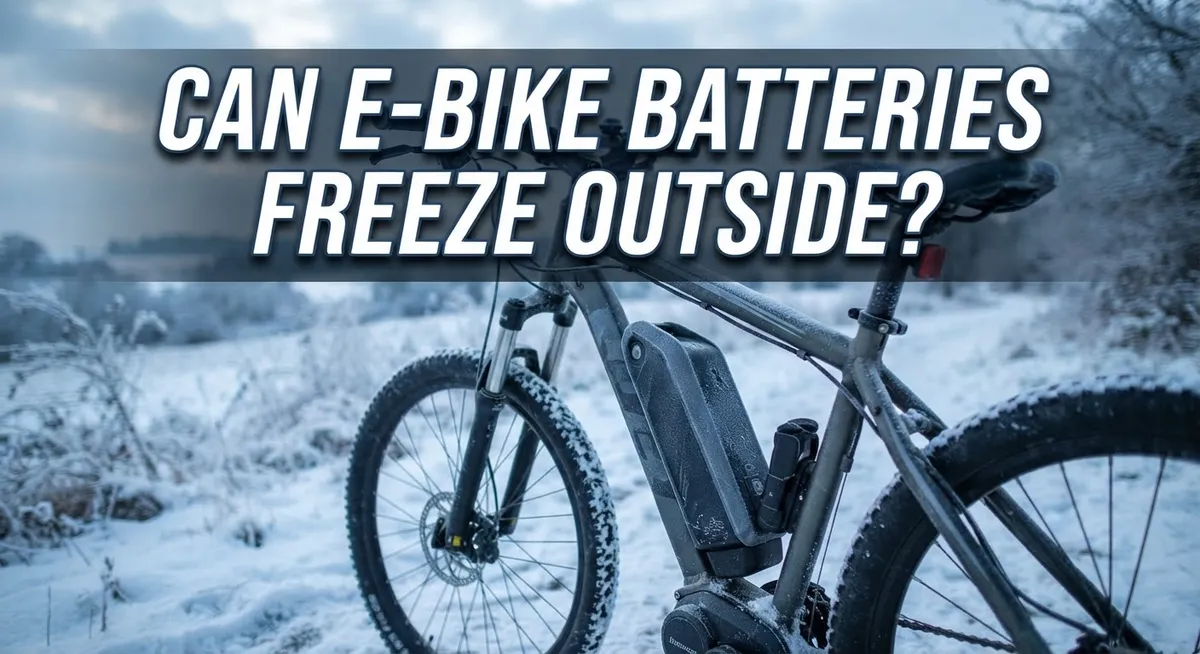
So, can e-bike batteries actually freeze outside? The short answer is yes. Cold weather changes battery chemistry in ways that hurt power and lifespan.
This matters more than most riders think. A frozen battery can lose charge fast. It may even suffer permanent damage.
In this guide, we will break down exactly what happens to e-bike batteries in freezing conditions. You will learn why cold weather is risky for your battery.
We will also cover simple steps to protect your battery all winter long. From proper storage to safe charging habits, we have you covered.
By the end, you will know how to keep your battery healthy even when temperatures drop. Your e-bike deserves proper care, no matter the season.
Let’s explore how cold weather affects your ride and what you can do about it.
In a Nutshell
Here is the quick rundown you need:
-
Yes, e-bike batteries can freeze outside. Cold temperatures slow down the chemical reactions inside the battery. This reduces power and can cause lasting damage.
-
Extreme cold harms battery lifespan. The colder it gets, the more stress your battery faces. Long exposure to freezing air weakens the cells over time.
-
Never charge a frozen battery. Charging below freezing temperature can cause permanent harm. Always let the battery reach room temperature first.
-
Bring your battery indoors. Once temps drop below 40 to 50°F, move the battery inside. This simple habit protects it from the worst cold damage.
-
Pre-warm your battery before riding. A warm battery performs better and lasts longer. Give it time to adjust before you hit the trail.
-
Store batteries indoors during long cold spells. This keeps the chemistry stable. It also helps you avoid sudden performance drops on your next ride.
Follow these basics, and your battery will handle winter like a champ.
How Cold Temperatures Affect E-Bike Battery Chemistry
E-bike batteries rely on chemical reactions to store and release energy. When temperatures drop, these reactions slow down significantly. Think of it like honey in winter—it moves slower when cold.
Inside your battery, lithium ions move between the positive and negative terminals. Cold weather makes this movement sluggish. Your battery still works, but it delivers less power to your motor. You might notice reduced range or weaker acceleration on frigid days.
Freezing temperatures create a bigger problem. Ice crystals can form inside the battery cells. This physical damage can be permanent. The battery’s internal structure gets stressed and weakened. Even after the battery warms up, the damage remains.
Extreme cold also affects the battery’s chemical composition. The electrolyte inside becomes thicker and more resistant. Ions struggle to move through it. This puts extra strain on the battery’s internal components. Over time, repeated freezing cycles reduce the battery’s total lifespan.
Here’s what happens chemically: the battery’s voltage drops in cold weather. Your e-bike’s controller recognizes this lower voltage and reduces power output. This is a safety feature. It prevents damage from trying to push too much current through a struggling battery.
The worst scenario involves charging below freezing. Charging forces ions to move against the battery’s natural resistance. In cold conditions, this process can cause lithium plating. Tiny metal crystals form on the battery’s negative terminal. These crystals can puncture the internal separator, creating a short circuit. This damage is often irreversible.
Prevention is far easier than repair. Remove your battery when temperatures drop below 40 to 50 degrees Fahrenheit. Store it indoors where it stays warm and stable. If you must ride in freezing weather, keep the battery as warm as possible. Store it under your coat or in an insulated bag during breaks. This simple step protects your investment and keeps your battery healthy for years.
What Happens When a Battery Actually Freezes
When temperatures drop below freezing, your e-bike battery faces real physical and chemical damage. The lithium ions inside the battery move much slower in extreme cold. This slowdown reduces the battery’s ability to deliver power when you need it.
The electrolyte fluid inside your battery thickens when frozen. This thick liquid blocks ion movement between the battery’s terminals. Your battery essentially becomes sluggish and unresponsive. You might notice your e-bike loses power faster or won’t turn on at all during a cold ride.
The internal resistance of your battery increases dramatically in freezing conditions. This means the battery works harder to deliver the same amount of energy. The extra strain generates heat inside the battery, which can damage the internal components.
Permanent damage occurs when you charge a frozen battery. The charging process forces lithium ions to move through the thick, frozen electrolyte. This creates tiny cracks in the battery’s internal structure. These cracks never fully heal, even after the battery warms up. Your battery’s overall lifespan shortens significantly.
Repeated freeze and thaw cycles make the damage worse. Each time your battery goes through temperature swings, the materials inside expand and contract. This constant movement weakens connections between battery components.
The battery’s voltage drops noticeably in freezing weather. You might see your battery display show less charge than it actually holds. Once the battery warms up, the voltage returns to normal. However, this temporary voltage loss can prevent your e-bike from starting when you’re out in the cold.
The good news is that freezing damage is mostly preventable. Keeping your battery indoors during cold weather stops these chemical and physical problems before they start. Removing your battery after winter rides and storing it at room temperature protects your investment and keeps your e-bike reliable for years ahead.
Signs Your E-Bike Battery Has Been Exposed to Dangerous Cold
Your e-bike battery sends clear warning signs when it has been exposed to dangerous cold. Learning to spot these signals helps you protect your battery and stay safe.
Reduced range is often the first sign. If your battery drains much faster than usual during a ride, freezing exposure may be the culprit. You might notice you can only travel half the normal distance before the battery dies completely.
Power delivery feels weak or sluggish. When you twist the throttle or pedal with assistance, the motor responds slowly or with less force. The battery struggles to deliver energy efficiently after cold exposure.
The battery feels unusually cold to the touch. If your battery is ice cold even after sitting indoors for a while, it has absorbed extreme cold. A healthy battery warms up naturally over time.
Your display shows error codes or warning lights. Many e-bikes display messages when the battery temperature is outside safe operating ranges. Pay attention to these alerts as they indicate the battery has been damaged by cold.
The battery no longer holds a charge properly. You charge it fully, but the battery dies quickly during normal use. This means the internal chemistry has been compromised by freezing temperatures.
Physical damage appears on the battery casing. Look for cracks, swelling, or leaking fluid. These signs indicate serious internal damage from freezing.
The battery feels swollen or bloated. This is a serious warning sign. Swelling means the internal structure has been damaged and the battery may fail suddenly.
If you notice any of these signs, stop using the battery immediately. Remove it from your e-bike and store it indoors at room temperature. Do not attempt to charge it. Contact a service center to have the battery inspected by a professional who can determine if repair or replacement is necessary.
Step-by-Step: Properly Storing Your Battery in Winter
Start by removing your battery from the e-bike as soon as temperatures drop below 40 to 50 degrees Fahrenheit. Don’t wait until the weather gets extremely cold. Early action prevents damage before it starts.
Bring the battery indoors to a room that stays at normal room temperature. A garage that freezes is not ideal. Choose a climate controlled space like your home, basement, or storage closet instead.
Store the battery on a dry surface away from moisture and direct sunlight. Keep it separate from metal objects that could cause accidental short circuits. A shelf or cabinet works well for this purpose.
Check the battery’s charge level before storing it for an extended period. Ideally, store your battery at around 40 to 60 percent charge. A completely full charge or completely empty battery can degrade faster during long storage.
Do not charge your battery while it remains cold. Wait until the battery reaches room temperature first. This step prevents permanent internal damage from the charging process.
If you rode your e-bike in freezing conditions, let the battery warm up indoors for at least 30 minutes before charging. This warming period allows the internal chemistry to stabilize and function normally again.
Keep the battery away from heating vents or radiators. Extreme heat is just as damaging as extreme cold. A steady, moderate temperature is what your battery needs most.
Check your battery occasionally during winter storage. Look for any visible damage, corrosion, or unusual appearance. If something seems wrong, do not attempt to charge it.
When you’re ready to use your e-bike again in spring, charge the battery fully before your first ride. This refresh cycle helps restore normal performance after winter storage.
Best Practices for Charging in Cold Weather
Charging your e-bike battery in cold weather requires careful attention. The golden rule is simple: never charge your battery when temperatures drop below freezing. Cold temperatures change how the chemical reactions inside your battery work, and charging makes this problem much worse.
Wait for your battery to reach room temperature before plugging it in. If you rode your e-bike outside in freezing conditions, bring the battery indoors and let it sit for at least 30 minutes. This waiting period allows the internal chemistry to stabilize and return to normal operating conditions.
The ideal charging temperature range is between 50 and 85 degrees Fahrenheit. Your home, garage, or indoor storage space works perfectly for this purpose. Avoid charging near heating vents, radiators, or direct sunlight, as extreme heat also damages battery chemistry.
Check your battery’s charge level before storing it for winter. Most experts recommend keeping your battery at 40 to 60 percent charge during long storage periods. This middle ground reduces stress on the battery cells and helps preserve overall lifespan.
Create a simple routine for cold weather riding. Remove your battery immediately after each ride and bring it inside. Let it warm up completely before even thinking about charging. This habit protects your battery investment and maintains performance throughout winter months.
If temperatures in your area stay below 40 degrees Fahrenheit for extended periods, store your battery indoors permanently during those months. Take it out only when you plan to ride, and bring it back inside afterward.
Patience is your best tool in cold weather charging. Rushing the process or charging a cold battery leads to permanent damage that costs money and reduces your e-bike’s usefulness. Slow, thoughtful charging practices keep your battery healthy and ready for many seasons of riding ahead.
Common Cold-Weather Mistakes That Damage Batteries
Many riders make simple mistakes that hurt their e-bike batteries during cold weather. Understanding these errors helps you protect your investment and extend battery life.
Charging while the battery is frozen is the biggest mistake. Cold temperatures change how lithium ions move inside the battery. When you charge below freezing, the ions move too slowly. This creates permanent damage to the battery’s internal structure. The battery loses capacity that never comes back.
Leaving the battery outside overnight is another common error. Freezing temperatures cause the battery chemistry to slow down dramatically. The electrolyte inside thickens. Metal compounds form on the battery terminals. Even if the battery works after thawing, it has suffered internal harm.
Riding hard in freezing conditions without preparation damages performance. Cold batteries cannot deliver power as quickly as warm ones. Riders push the battery harder to get the same speed. This extra strain creates heat stress inside the cells. The battery ages faster than it should.
Storing batteries in unheated garages or sheds causes slow degradation. Temperature swings between day and night create condensation. Moisture seeps into battery contacts. Rust forms on metal parts. The battery’s lifespan drops significantly.
Charging immediately after cold rides is harmful too. The battery is still cold when you plug it in. Temperature differences cause stress on internal components. Wait at least 30 minutes after bringing the battery indoors before charging.
Ignoring warning signs lets problems get worse. If your battery feels unusually cold or drains fast, take action immediately. Move it indoors and let it warm up completely.
The key is simple: keep your battery warm. Remove it from your e-bike when temperatures drop below 50 degrees Fahrenheit. Store it indoors at room temperature. Wait until it reaches normal temperature before charging. These steps prevent costly damage and keep your battery working reliably for years.
Tips for Riding Safely and Preserving Battery Life in Winter
Riding your e-bike safely through winter requires smart planning and smart battery care. Cold temperatures reduce how far your battery can take you, so expect shorter trips when the thermometer drops.
Start by checking weather conditions before each ride. If temperatures fall below 40 degrees Fahrenheit, your battery will lose power faster than usual. Plan your route to stay close to home in case you need to return earlier than expected.
Reduce your riding speed in winter conditions. Slower speeds use less battery power and give you better control on icy or wet surfaces. Aggressive acceleration and high speeds drain your battery quickly when it’s cold outside.
Wear bright clothing and use lights on your e-bike. Winter days are shorter and darker. Other vehicles need to see you clearly on the road.
Check your tires before riding. Cold weather makes tires harder and less grippy. Slightly lower tire pressure (check your e-bike manual for safe ranges) can improve traction on ice and snow.
Avoid puddles and deep snow when possible. Water and salt damage your battery connections and other electrical parts. These materials also reduce traction and make accidents more likely.
Plan charging stops carefully. Never charge your battery outdoors in freezing weather. If you stop during a ride, bring your battery inside to warm up before charging.
Inspect your brakes regularly. Cold weather can affect brake performance. Make sure your brakes work smoothly before heading out.
Keep emergency supplies with you. Carry a phone, wear layers, and bring water. Winter riding carries extra risks if something goes wrong.
Most importantly, listen to your body and your bike. If you feel unsafe or notice strange battery behavior, stop riding and get inside. Your safety matters more than any trip.
Final Thoughts
Yes, e-bike batteries can freeze outside, and freezing temperatures can cause lasting harm. Cold weather slows down the chemical reactions inside the battery. This reduces power output and shortens battery life over time.
The good news is that freezing damage is preventable. Simple habits protect your battery through the coldest months. Bringing your battery indoors remains the single best defense against cold weather damage.
Temperature control matters more than anything else. Your battery performs best when kept between comfortable room temperatures. Extreme heat and extreme cold both cause problems, but freezing poses the bigger risk for permanent damage.
Think of your e-bike battery like a living thing. It needs protection from harsh conditions, just like you do. A few extra minutes of care each day adds years to its lifespan.
Winter riding does not mean sacrificing your battery’s health. Smart planning lets you enjoy cold weather rides safely. Check temperatures, plan your route, and always store your battery properly afterward.
Remember that prevention costs less than replacement. A damaged battery from freezing temperatures often cannot be repaired. Taking simple precautions now saves you money and frustration later.
Your riding habits make a real difference too. Riding gently in cold weather protects both your battery and your safety on icy roads.
Every rider faces different conditions based on where they live. Someone in a mild climate faces less risk than someone in deep winter conditions. Adjust your battery care routine based on your local weather patterns.
The bottom line is simple: cold weather and e-bike batteries do not mix well without proper care. Protect your battery from freezing temperatures, follow proper charging practices, and store it correctly during winter months. Your battery will reward you with reliable performance for years to come.
Frequently Asked Questions
What temperature causes e-bike batteries to freeze?
E-bike batteries start losing performance around 40 to 50°F. Below freezing (32°F), the chemical reactions inside slow down significantly. Your battery won’t work as well, and the damage can become permanent if you leave it outside for extended periods.
Think of cold like a brake on your battery’s power. The colder it gets, the slower everything moves inside.
Can I charge my e-bike battery in freezing weather?
No. Never charge a battery below freezing temperature. Charging in extreme cold damages the internal chemistry and can cause serious problems.
Wait until your battery reaches room temperature before plugging it in. If you ride in winter, bring the battery inside for at least 30 minutes before charging.
How long can an e-bike battery stay outside in cold weather?
Even a few hours in freezing temperatures can harm your battery. Overnight storage outside is especially risky. The longer the battery sits in the cold, the more damage occurs to its cells.
Remove your battery after every cold weather ride and store it indoors. This simple step prevents most cold weather problems.
Will my battery work again after freezing?
Maybe. If freezing only happened once or twice, your battery may recover some function once it warms up. However, repeated exposure to freezing temperatures causes permanent damage that reduces range and lifespan.
The key is prevention. Consistent cold storage causes gradual, irreversible harm that gets worse over time.
Should I pre-warm my battery before winter rides?
Yes. Bring your battery to room temperature before riding in freezing conditions. A warm battery performs better and uses less power during cold weather rides.
Store your battery indoors overnight and let it warm naturally before your morning ride.

Philips is the founder and lead writer at GearheadGarageFinds.com, a passionate automobile enthusiast who has spent years testing, comparing, and reviewing auto products and accessories to help fellow gearheads make smarter buying decisions. When he’s not under the hood or behind the keyboard, you’ll find him exploring the latest automotive innovations and hunting for the best garage finds on the market.