Do Electric Bikes Work in the Rain? A Complete Safety Guide
Rain clouds roll in, and your e-bike sits by the door. You wonder if it can handle wet roads without breaking down.
Good news. Most electric bikes are built to handle rain just fine. They come with water resistant parts that protect the motor, battery, and display from splashes and drizzle.
But here’s the catch. Water resistant does not mean waterproof. There’s a real difference, and it matters for how you ride and care for your bike.
This article breaks down exactly how e-bikes perform in rain. You will learn what makes them safe for wet rides and what puts them at risk.
We will cover the IP rating system that tells you how much water your bike can handle. You will also discover simple do’s and don’ts for rainy rides.
From proper storage to post-ride cleaning, we give you practical tips to keep your e-bike running strong. Riding in rain does not have to be scary or damaging.
By the end, you will know exactly how to enjoy your e-bike, rain or shine, without risking costly damage.
In a Nutshell
Here is a quick summary to keep in mind:
-
Yes, e-bikes work in the rain. They are built with water-resistant parts that handle wet rides without trouble.
-
Your bike’s IP rating tells you how much water it can safely handle. Check this rating before riding in wet weather.
-
Water resistant does not mean waterproof. Avoid deep puddles and never submerge the motor or battery in water.
-
Wet roads reduce traction and affect braking. Always ride slower and give yourself more stopping distance.
-
Visibility drops during rainy rides. Use lights and wear bright clothing so others can see you clearly.
-
Clean your bike after every wet ride. A damp cloth removes dirt without damaging electric parts.
-
Store your e-bike indoors or under cover when you are not using it. This simple step protects the battery and motor long term.
-
Skip high-pressure washers. They push water into spots where it does not belong, causing damage over time.
With these basics, you can ride confidently through light rain and keep your e-bike in great shape all year round.
How Electric Bikes Handle Water: Water Resistance vs Waterproof
Electric bikes feature two different levels of water protection. Understanding the difference keeps your bike safe and working well.
Water resistant means your e-bike can handle rain, splashes, and wet conditions without damage. The motor, battery, and display all have protective seals. Water resistant components let moisture around them but prevent it from reaching sensitive electronics inside. Your bike can ride through rain and handle puddle spray without problems.
Waterproof is a much stronger standard. A truly waterproof bike stops all water from entering any part. Few e-bikes are completely waterproof because even small openings allow water inside over time. This is why manufacturers use water resistant ratings instead.
Your e-bike’s IP rating shows exactly how much water protection it has. The rating system uses two numbers. The first number rates dust protection. The second number rates water protection on a scale from 0 to 8. A rating of IP54 means your bike handles water splashes from any direction. A rating of IP65 means it resists water jets. Check your bike’s manual or manufacturer website to find your specific IP rating.
The key difference matters when you ride. Water resistant bikes handle normal rain and wet roads safely. You should still avoid riding through deep water, streams, or heavy downpours. Never submerge your motor or battery intentionally. Water can eventually seep into small gaps if exposure continues for too long.
Think of water resistance like a rain jacket. It keeps you dry in a shower, but won’t protect you if you dive into a pool. Your e-bike works the same way. Rain is fine. Submersion is not.
Understanding IP Ratings for Motors, Batteries, and Displays
Electric bike components come with protection levels that tell you exactly how much water they can handle. These protection levels use something called an IP rating, which stands for Ingress Protection. This number system helps you understand what your motor, battery, and display can safely withstand.
An IP rating has two digits. The first digit rates protection against solid objects like dust. The second digit rates protection against water. For e-bikes, that second number is what matters most. A rating of IP54 means your component can handle water splashes from any direction. A rating of IP65 offers stronger protection and can handle low pressure water jets. Higher numbers like IP67 mean the part can survive brief submersion in shallow water.
Your motor typically carries an IP54 or IP65 rating. This allows it to keep running through rain and wet riding conditions. The battery pack usually has similar ratings, though manufacturers often rate it slightly higher since it needs extra care. Your display screen might have a lower rating, so avoid pointing water directly at it.
Understanding these ratings prevents costly mistakes. If your motor has an IP54 rating, it handles rain perfectly fine. However, riding through deep water crossings risks damage because water pressure exceeds what that rating allows. Check your e-bike’s manual or manufacturer website to find the exact IP ratings for each component.
Different brands use different standards, so knowing your specific ratings matters. This information helps you ride confidently in wet weather while protecting your investment from unnecessary damage.
Riding Safely in the Rain: Step-by-Step Precautions
Riding your e-bike in the rain requires smart planning. Start by checking your bike’s IP rating before heading out. This number tells you exactly how much water your motor and battery can handle safely.
Before you ride, inspect your brakes carefully. Wet conditions reduce friction between brake pads and rims. Test your brakes in a safe area to feel how they respond. Your stopping power will be different than on dry days.
Adjust your speed when rain falls. Wet roads offer less grip than dry pavement. Slow down around corners and avoid sudden movements. Give yourself extra distance between you and other riders or vehicles.
During your ride, stay alert to puddles and water crossings. Never ride through deep water that might submerge your motor or battery. Shallow puddles are generally fine, but standing water can hide obstacles. Keep your eyes on the road ahead.
Watch your visibility carefully. Rain reduces how well others see you. Wear bright colors or reflective gear. Use lights even during daytime rain to stay visible to cars and pedestrians.
After your wet ride, dry your e-bike promptly. Use a soft, damp cloth to wipe dirt and moisture from the frame and components. Never use a high-pressure washer, which forces water into sealed parts.
Let your bike air dry completely before storing it. Keep it indoors or under a shelter, not outside where rain continues. Check electrical connections for any water spots or corrosion.
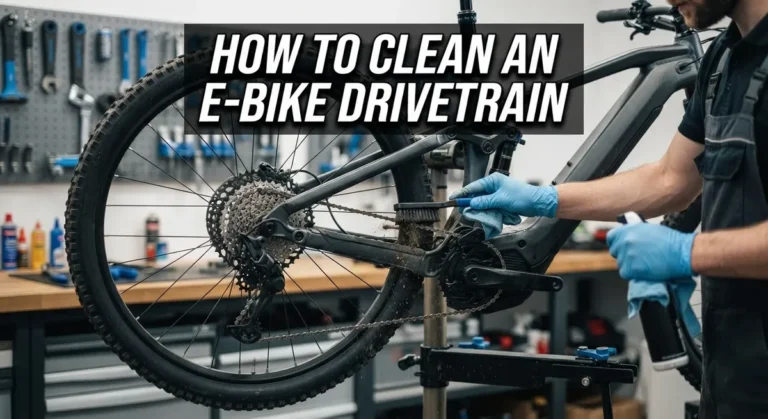
Clean your drivetrain gently. Wet conditions wash away chain lubricant faster. Reapply appropriate lubricant once everything dries. These simple steps keep your e-bike running smoothly through rainy seasons.
Managing Traction, Braking, and Visibility in Wet Conditions
Wet conditions change how your e-bike behaves on the road. Understanding these changes keeps you safe and protects your investment.
Traction becomes your biggest concern. Rain creates a slippery layer on pavement that reduces grip between your tires and the road. Your wheels may slide unexpectedly, especially on smooth surfaces like painted road markings or metal grates. Corners become riskier because your tires have less contact with the ground.
Reduce your speed when rain falls. Slower speeds give you more time to react and help your tires maintain grip. Avoid sudden movements with your handlebars or pedals.
Braking performance drops significantly in wet weather. Your brakes need friction to slow you down, and water interferes with that process. Wet brake pads and rims or rotors don’t grip as effectively as dry ones. You need more distance to stop, so increase the space between you and other riders or obstacles.
Test your brakes gently before committing to hard stops. Squeeze them gradually to feel how they respond. If your brakes feel soft or unresponsive, ride even more cautiously.
Visibility issues affect both you and others. Rain reduces how far you can see ahead. Drivers have a harder time spotting you through wet windshields. Water spray from traffic creates additional obstacles.
Use lights even during daytime rain. Wear bright or reflective clothing so drivers notice you. Keep your eyes moving to scan for hazards like potholes, debris, or slick patches.
Stay focused during your entire ride. Wet conditions demand your full attention. Your e-bike handles rain well mechanically, but your riding skills matter most for staying safe.
Essential Dos and Don’ts for Wet-Weather E-Bike Use
Riding your e-bike in wet weather requires smart choices to keep your bike safe and yourself protected. Here are the essential rules to follow.
Do ride carefully with extra attention. Rain changes how your bike handles, so slow down and give yourself more stopping distance. Use your lights even during the day so drivers can see you clearly. Check that your brakes work properly before heading out. Wear bright clothing to improve visibility on wet roads.
Do clean your bike after riding in rain. Use a soft, damp cloth to wipe dirt and grime from your frame and components. Pay special attention to your drivetrain, which collects moisture easily. Let your bike dry completely in a sheltered spot before storing it away.
Don’t ride through deep water or puddles. Water submerging your motor or battery can cause serious damage. Even if your e-bike is water resistant, prolonged submersion creates problems. Avoid flooded areas entirely.
Don’t use high pressure washers on your bike. Strong water jets force moisture into sealed components and damage electrical parts. Skip the automatic car wash too.
Don’t leave your e-bike outside in heavy rain. Store it in a garage, shed, or dry indoor space when not riding. Prolonged exposure to rain stresses your battery and motor.
Don’t ignore your battery in wet conditions. Keep your battery dry and store it indoors. Moisture affects battery performance and lifespan.
Following these dos and don’ts keeps your e-bike working reliably for years. Rain riding is completely possible when you respect your bike’s limits and take proper care afterward.
Post-Ride Care: Cleaning and Drying Your E-Bike
After riding your e-bike in the rain, proper care keeps it working smoothly. Drying and cleaning your bike prevents rust, corrosion, and electrical issues.
Start by patting down your bike with a soft, dry cloth. Focus on the motor, battery, and display first since these are your most expensive components. Wipe away visible water droplets and moisture from all surfaces.
Use a damp cloth to gently clean dirt and grime from your frame. Work in small sections, moving from the handlebars down to the wheels. Pay special attention to the chain and sprockets where mud tends to collect.
For stubborn dirt, dip your cloth in lukewarm water and wipe gently. Never spray water directly onto electrical components. Your motor, battery connectors, and display screen need extra care during this step.
Let your bike air dry completely in a well-ventilated space. Open windows or place your e-bike in a garage with good airflow. Avoid direct sunlight, which can damage your battery. Allow at least 2 to 3 hours before storing it away.
Check your drivetrain carefully after cleaning. Spin the pedals and watch the chain move through the gears. If you notice resistance or grinding sounds, the chain may need lubrication.
Store your e-bike indoors where it stays dry and protected. A shed, garage, or storage room works well. Keep the bike away from extreme temperature changes.
Regular post-ride care after wet weather extends your e-bike’s lifespan significantly. This simple routine takes just 15 to 20 minutes but saves you from expensive repairs later. Make it part of your riding habit whenever rain is involved.
Common Mistakes That Damage E-Bikes in Rainy Conditions
Many riders damage their e-bikes without realizing it. These mistakes happen when people don’t understand how water affects electric components.
Riding through deep water is the biggest mistake. Your motor sits low on the bike frame. Water that reaches the motor can short circuit the electrical system. The battery also sits in a vulnerable spot. Submerged water causes permanent damage that costs serious money to fix.
Leaving your bike outside in heavy rain for long periods creates problems. Water doesn’t need to submerge your bike to cause harm. Constant rain exposure lets moisture seep into connector points and battery terminals. These small entry points lead to rust and electrical failures over time.
Neglecting to dry your bike after riding allows water to sit on metal parts. Moisture trapped under the seat or near the chain causes corrosion. Your drivetrain becomes stiff and difficult to pedal. Rust spreads to gears and cables if you ignore this step.
Using high pressure washers forces water directly into sealed components. The powerful jets push moisture past protective seals around the motor and battery. This defeats the water resistance rating your e-bike has.
Ignoring visible water on electrical connectors leads to connection problems. Water on the display screen, charging port, or battery terminals causes intermittent power loss. Your bike may cut out unexpectedly during rides.
Storing your wet e-bike indoors without drying it first traps moisture in the frame. The enclosed space prevents air circulation. Mold and mildew can develop inside tubes and compartments.
These mistakes are entirely preventable. Simple attention to how you ride and care for your bike keeps it functioning properly through rainy seasons.
Troubleshooting Water-Related E-Bike Issues
Water-related problems with electric bikes usually stem from moisture entering sealed components or corroding electrical connections. Understanding these issues helps you prevent damage and keep your bike running smoothly.
Moisture in the motor is one of the most common concerns. Your motor has a water resistance rating (check your bike’s IP rating). Light rain and splashes won’t harm it, but water entering the motor windings can cause short circuits or reduce performance over time.
Battery corrosion happens when water contacts the charging port or battery terminals. Saltwater from coastal areas accelerates this process. Even small amounts of moisture trapped around these connections can degrade electrical contacts and reduce your battery’s lifespan.
Brake performance suffers when water coats brake pads and rotors. Your brakes need more distance to stop on wet surfaces. This isn’t damage per se, but it’s a safety issue you must manage by riding slower and braking earlier.
Drivetrain rust develops when you skip post-ride cleaning. Your chain, gears, and cables are metal parts that corrode when exposed to moisture. Regular drying prevents this deterioration.
Electrical connector problems occur when water sits on exposed plugs or connection points. These connections should stay dry. Corrosion here disrupts power flow between components.
Display screen issues can happen if water enters your bike’s computer screen. Most screens are water resistant, but prolonged exposure causes problems.
The good news is these problems are entirely preventable. Proper drying after wet rides, storing your bike indoors, and checking connections regularly keeps your e-bike healthy. Address any visible water immediately rather than waiting for problems to develop.
Final Thoughts
Electric bikes do work in the rain. Most models handle wet roads and light showers without any trouble.
Your bike’s motor, battery, and display are built to resist water. They are not designed to survive full submersion.
This difference matters a lot. Water resistant means splashes and drizzle are fine. It does not mean you can ride through deep puddles or flooded streets.
Safe rainy day riding comes down to a few simple habits. Check your bike’s IP rating so you know its limits.
Avoid deep water crossings every time. Clean your bike after each wet ride. Store it somewhere dry when you’re done.
These small steps protect your investment. They also keep your e-bike running smoothly for years.
Rain itself is rarely the real problem. The bigger risk comes from how you ride and care for your bike afterward.
Riders who ignore maintenance face more issues than riders who get caught in storms. A quick wipe down and proper drying time make a huge difference.
Think of your e-bike like any other valuable gear. Regular care prevents most water related damage.
You don’t need to avoid rain completely. You just need to ride smart and stay consistent with upkeep.
Reduced traction and visibility matter more than the rain itself. Slow down, brake earlier, and stay alert when roads are wet.
With the right precautions, your electric bike handles rain just fine. Respect its limits, keep it clean, and store it properly.
Follow these basics and rainy weather won’t stop your rides. Your e-bike will keep performing well, season after season.
Frequently Asked Questions
Can I ride my e-bike during light rain?
Yes, you can ride safely in light rain. Your e-bike’s motor, battery, and electrical components are water-resistant by design. Light rain and normal splashes won’t damage these parts.
The real concern isn’t the rain itself. Your focus should be on reduced traction and slower braking response. Wet roads are slippery. Your tires have less grip. Your brakes take longer to stop you.
Ride slower than usual. Leave extra space between you and other riders. Take turns carefully. These simple changes keep you safe in light rain conditions.
What water depth is safe for e-bikes?
Avoid riding through any water that reaches your motor or battery. This means staying out of puddles deeper than a few inches.
When water submerges electrical components, it can cause serious damage. Your motor and battery sit low on the frame. Even shallow water crossings pose a real risk.
If you’re unsure about water depth, find another route. It’s not worth the potential repair costs.
How do I clean my e-bike after riding in rain?
Use a soft, damp cloth to wipe down your frame and components. This removes dirt and grit that rain washes onto your bike.
Never use high-pressure washers. They force water into sealed areas where it doesn’t belong.
Dry your bike completely before storing it. Pay special attention to electrical connectors and the battery charging port. Moisture left sitting on these areas causes corrosion over time.
Do I need to cover my e-bike if it rains?
Yes, cover your e-bike when storing it outside. Prolonged rain exposure weakens electrical connections and promotes rust on metal parts.
Store your bike in a garage, shed, or covered area whenever possible. A simple bike cover works well for short-term outdoor storage.

Philips is the founder and lead writer at GearheadGarageFinds.com, a passionate automobile enthusiast who has spent years testing, comparing, and reviewing auto products and accessories to help fellow gearheads make smarter buying decisions. When he’s not under the hood or behind the keyboard, you’ll find him exploring the latest automotive innovations and hunting for the best garage finds on the market.