Why Do E-Bike Lights Flicker? Causes, Fixes, and Safety Tips
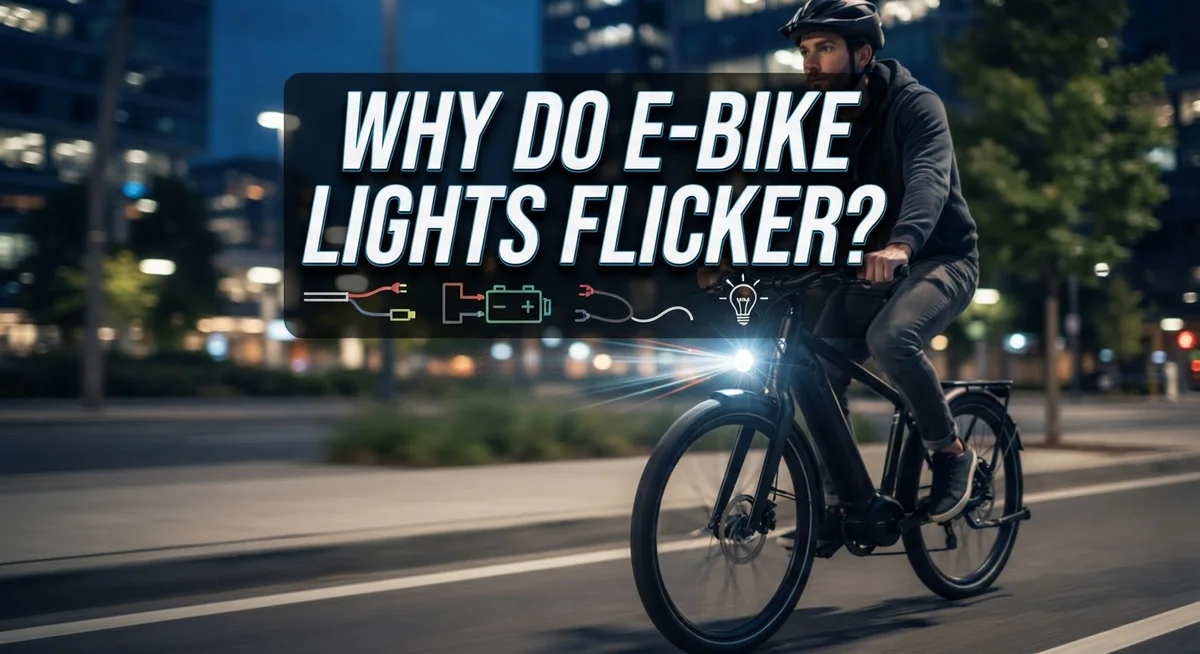
Have you ever ridden your e-bike at night and noticed your light flicker out of nowhere? It can feel confusing and even a little scary. You rely on that light to see the road and to stay visible to others.
Flickering lights are more common than you think. Many e-bike riders face this issue at some point. The good news is that most causes are simple to understand and fix.
In this article, we will explore why e-bike lights flicker. We will look at electrical connections, battery voltage, and sensor functionality. These three areas often play a big role in light performance.
We will also talk about light modes. Your e-bike light may offer solid, flashing, or pulsing settings. Each mode serves a different purpose for visibility and safety.
By the end of this guide, you will understand what causes flickering. You will also learn how to choose the best light setting for your rides. Let’s get your e-bike light shining bright and steady again.
In a Nutshell
Here is a quick summary if you are short on time.
-
Loose connections are a top reason lights flicker. Wires or connectors that are not snug can cause power to cut in and out.
-
Battery issues also play a big role. Low voltage or a weak battery cannot send steady power to your light.
-
Faulty sensors can confuse your light. Some e-bike lights use sensors that react to speed or movement, and a glitch here can cause flickering.
-
Your light mode matters too. Flashing settings are normal and meant to grab attention, but they are different from an actual flickering problem.
-
LED lights are efficient, but they can still flicker if the internal driver has a defect or if moisture gets inside.
-
Poor installation can also be a hidden cause. A light that is not mounted correctly may lose contact with its power source while you ride.
Understanding these basics helps you figure out if your light has a real issue or if it is simply doing its job.
How E-Bike Lights Work: LEDs, Power Sources, and Modes
LED lights are the standard choice for e-bikes because they use very little power while producing bright, reliable light. Unlike old incandescent bulbs, LEDs convert electrical energy into light more efficiently, which means your battery lasts longer on each charge.
Your e-bike light draws power from the main battery pack. A small circuit called a driver controls how electricity flows to the LED. This driver manages brightness levels and switching between different light modes. When the driver works properly, you get steady illumination or smooth flashing patterns.
Most e-bike lights offer multiple modes to match different riding situations. Solid mode provides constant, steady light for regular night riding. Flashing mode pulses on and off rapidly, making your bike more visible in low light conditions. Some lights include pulsing modes that turn on and off at slower speeds.
Flashing lights grab attention better than steady lights. Your eyes naturally notice movement and changes in brightness. This makes flashing modes excellent for dawn, dusk, or foggy weather when other riders or drivers need to spot you quickly.
Solid white light remains the standard for forward visibility because it lets you see the road clearly. Most places recommend solid lights on your front for this reason.
The power source matters too. Your e-bike battery sends electrical current through wires to the light. If this connection is clean and tight, the light receives steady power. If the connection has problems, power delivery becomes uneven, which can cause flickering.
Understanding how these parts work together helps you recognize normal light behavior from actual problems. A light switching between modes is working as designed. A light that flickers unexpectedly during one mode usually signals an electrical issue that needs attention.
Common Causes of Light Flickering on E-Bikes
Your e-bike light flickers for several reasons. Understanding these causes helps you fix the problem quickly.
Electrical connections are the most common culprit. Loose wires between your light and battery create interruptions in power flow. Water and dirt can also corrode these connections, causing flickering. Check all plugs and connectors regularly. Tighten any loose parts you find.
Battery voltage issues rank second on the list. When your battery runs low, it cannot deliver steady power to the light. The light flickers as voltage drops below what the LED needs. A dying battery forces your light to work harder than normal. This causes the flickering you notice.
Moisture damage affects LED lights significantly. Rain, sweat, and humidity seep into light housings over time. Water inside the light disrupts the internal electrical driver. This driver controls how power reaches the LED bulb. Damaged drivers make lights flicker unpredictably.
Faulty light sensors also trigger flickering. Many e-bike lights include automatic brightness sensors. These sensors adjust light intensity based on surrounding light levels. A broken sensor sends wrong signals to your light. Your light then flickers as it tries to adjust constantly.
Defective LED drivers cause persistent flickering too. The driver is the small circuit board inside your light. It regulates power delivery to the LED. A failing driver cannot maintain steady power flow.
Poor installation creates hidden problems. Lights mounted incorrectly vibrate during riding. This vibration loosens connections and causes flickering. Make sure your light sits firmly on its mount. Check the mounting bracket for damage or wear.
Most flickering issues stem from these five causes. Start by inspecting connections and battery health first.
Electrical Connection Issues and Loose Wiring
Electrical connections are the backbone of your e-bike lighting system. When wires loosen or corrode, power cannot flow smoothly to your light. This interruption causes the flickering you see.
Loose connectors happen because e-bikes vibrate during rides. The constant motion shakes connections at the battery, light housing, and wiring harnesses. Over time, these connections work themselves free. Check where your light plugs into the main wiring. Push the connector firmly until you hear or feel it click into place.
Corrosion builds up on metal contacts when moisture enters the connection points. Salt spray, rain, and humidity all speed up this process. Corroded contacts resist electrical flow, creating a weak or intermittent connection. Your light flickers because power cuts out and restarts repeatedly.
Inspect your wiring regularly for visible damage. Look for bent pins, cracked connectors, or green or white crusty buildup on metal parts. Gently clean corroded contacts with a dry cloth. If corrosion is heavy, you may need to replace the connector entirely.
Water intrusion is another major issue. Connectors designed for e-bikes should be waterproof, but damaged seals let moisture inside. Once water reaches the electrical contacts, flickering becomes inevitable. Ensure all connection points are dry before riding in wet conditions.
Test your connections by gently wiggling the light while it is powered on. If the light flickers when you move the wire or connector, you have found your problem. Secure loose connections and protect them from moisture. Most flickering issues from electrical problems stop once you fix these connection points.
Battery Voltage Fluctuations and Their Effect on Lighting
Your e-bike battery voltage directly affects how your lights perform. When voltage drops, your light receives less electrical power. This reduced power causes the LED to flicker or dim unexpectedly.
Battery voltage fluctuations happen naturally as your battery discharges during rides. A fully charged battery provides stable voltage output. As the charge depletes, voltage gradually decreases. Your light may flicker when the battery reaches lower charge levels.
Temperature also impacts voltage stability. Cold weather reduces battery voltage temporarily. Your lights may flicker more frequently on chilly rides. Warm conditions restore normal voltage output. This is normal behavior and not a defect.
Loose battery connections amplify voltage problems. A poor connection creates resistance in the circuit. Resistance causes voltage to drop unevenly. Your light flickers as voltage jumps up and down unpredictably.
The light’s internal voltage regulator tries to maintain consistent power. When battery voltage fluctuates too much, the regulator struggles to keep up. The LED flickers as the regulator adjusts constantly.
Check your battery charge level first. Flickering often stops when you recharge your battery fully. If flickering continues after charging, inspect battery connections for corrosion or looseness.
Tighten any loose connectors you find. Clean corroded contacts with a dry cloth. Ensure your battery terminals connect securely to the e-bike frame.
Some lights have low voltage cutoff features. These lights shut off automatically when battery voltage drops too low. This protects your battery from complete discharge. The light may flicker before shutting off completely.
Understanding voltage fluctuations helps you distinguish between normal behavior and actual problems. Most flickering related to voltage resolves with a full battery charge and secure connections.
Flashing vs. Solid Light Modes: Choosing the Right Setting
Flashing and solid light modes serve different purposes on your e-bike. Understanding when to use each one keeps you safer and helps other road users stay aware of your presence.
Solid lights work best for steady visibility. A solid white light lets you see the road ahead clearly during normal riding conditions. You can spot obstacles, potholes, and hazards more easily. Solid lights also help drivers and pedestrians predict your movement since the light stays constant and predictable.
Flashing lights grab attention quickly. Your eyes naturally notice movement more than stationary objects. A flashing light makes you stand out in traffic, especially during low light hours. Studies show flashing lights increase visibility in urban environments where many distractions compete for attention.
Choose your light mode based on riding conditions. Use solid mode when riding on lit streets or during daytime hours. Switch to flashing mode in heavy traffic, fog, or very low visibility situations. Some riders use flashing front lights combined with solid rear lights for balanced visibility.
Be mindful of brightness levels with flashing modes. Overly bright flashing lights can cause discomfort or even dizziness in other cyclists nearby. Consider the people around you when selecting intensity settings.
Match your light settings to your environment. Wet weather calls for brighter modes since visibility drops significantly. Crowded bike paths benefit from flashing modes that catch attention without being harsh. Open roads with good lighting might only need lower intensity settings.
Most modern e-bike lights let you switch between modes easily. Test different settings during your regular rides to find what works best for your local conditions. Your comfort and the comfort of others on the road matter equally.
Step-by-Step Troubleshooting Guide for Flickering Lights
Start by checking your battery first. A low charge causes most flickering problems. Connect your e-bike to the charger and let it reach full capacity. This simple step fixes flickering in many cases.
Next, inspect all visible wiring near your light. Look for cuts, cracks, or exposed wires. Water damage and physical damage both cause flickering. If you spot damaged wires, you need professional repair.
Gently wiggle your light while it powers on. If the light flickers when you move it, your connection is loose. Turn off your e-bike. Remove the light carefully. Check the connector pins for dirt or corrosion. Clean the metal contacts with a dry cloth. Reattach the light firmly until it clicks into place.
Examine the battery terminals next. These connectors often accumulate dirt and oxidation. Power down your e-bike completely. Locate the battery pack. Look for green or white buildup on the metal terminals. Use a dry cloth to wipe them clean. Reconnect the battery securely.
Test your light after each adjustment. Power on your e-bike and observe the light for one minute. Steady illumination means you solved the problem.
If flickering continues, check your light’s mode settings. Some lights default to flashing mode. Press the mode button to switch to solid mode. Review your light’s manual for mode options.
Still flickering? Your light’s internal circuitry may have failed. Professional technicians can diagnose electrical faults inside the light unit. They test voltage regulators and LED components to identify the exact issue. Contact a qualified e-bike repair shop for advanced diagnostics and repairs.
Mistakes to Avoid When Diagnosing Light Problems
When you’re trying to figure out why your e-bike lights flicker, certain mistakes can lead you in the wrong direction. Understanding what NOT to do saves you time and frustration.
Don’t assume flashing is always a problem. Many e-bike lights have multiple modes built in. Your light might be set to flash intentionally. Check your light’s manual or settings first before assuming something is broken. You may simply need to switch to a solid mode instead.
Avoid ignoring the riding conditions. Some riders choose flashing lights in low visibility situations because they attract attention better. However, using an overly bright flashing light can actually cause dizziness in other cyclists and pedestrians. Match your light mode to your environment. Solid white light works best for steady forward visibility during normal riding.
Don’t skip the basics when diagnosing problems. Many people jump to complicated solutions without checking simple things first. Your light might flicker because the mode setting is wrong, not because of electrical issues.
Resist the urge to over-tighten connections. While loose connections cause flickering, forcing connectors too hard can damage them permanently. Use gentle pressure when securing your light and battery connections.
Don’t forget about brightness balance. Selecting an appropriate light mode for your conditions prevents many flickering complaints. A solid light at moderate brightness often works better than a bright flashing mode.
Finally, avoid making multiple adjustments at once. Change one thing, test your light, then move to the next step. This helps you identify exactly what caused the problem. Proper diagnosis requires patience and a systematic approach to each potential issue.
Maintenance Tips to Prevent Future Flickering
Keeping your e-bike lights working smoothly requires regular attention to a few key areas. Start with your battery, which is the foundation of your lighting system. Check the battery voltage regularly using a multimeter to ensure it stays within the recommended range. Low voltage causes lights to flicker or dim unexpectedly.
Clean all electrical connections at least once every month. Dirt and moisture build up around battery terminals and light connectors. Use a dry cloth to wipe these areas gently. Corrosion on metal contacts prevents proper power flow, leading to flickering problems.
Inspect your wiring for damage during routine maintenance. Look for cracks, pinches, or exposed copper along the entire cable route. Damaged wiring interrupts electrical signals and creates intermittent power delivery. Protect cables from sharp edges and extreme bending.
Tighten all connections by hand, but avoid over-forcing them. Loose connections are a major flickering cause, yet too much pressure can damage the connectors permanently. Hand tighten until snug, then stop.
Test your light settings regularly to understand which modes work best for different conditions. This helps you spot unusual behavior early. A light that flickers only in certain modes may have internal issues worth investigating.
Store your e-bike indoors when possible. Temperature swings and moisture exposure degrade battery performance and corrode connections faster. In winter, bring your battery inside before charging to maintain proper function.
Replace batteries according to manufacturer guidelines. Old batteries lose voltage capacity and cause flickering even with good connections. Preventive replacement saves you from unexpected failures during rides.
Final Thoughts
Flickering lights are annoying, but they’re rarely a mystery. Most problems come down to loose connections, battery issues, or faulty circuitry.
The good news? You can fix many of these issues yourself. A simple check of your wiring and battery terminals often solves the problem in minutes.
Regular maintenance makes a big difference. Clean connections and tight wiring prevent most flickering before it starts. A few minutes each month saves you trouble on the road.
Remember that not all flickering means trouble. Many e-bike lights flash on purpose to grab attention from other road users. This is a safety feature, not a malfunction.
The key is knowing the difference. A steady light that suddenly flickers signals a problem. A flashing mode you selected yourself is working as intended.
When you troubleshoot, work through issues one at a time. Check the battery first. Then look at your wiring. Test your light after each change you make.
This step by step approach helps you find the real cause faster. It also stops you from making things worse with multiple changes at once.
If basic troubleshooting doesn’t fix your flickering light, the internal circuitry may be damaged. At this point, you may need professional help or a replacement part.
Safety should always come first when riding with light problems. Don’t ignore a flickering light, especially during night rides or low visibility conditions.
Take action quickly once you notice an issue. A small problem today can turn into a bigger safety risk tomorrow.
With regular checks and quick fixes, your e-bike lights will stay bright and reliable. This keeps you visible and safe on every ride you take.
Frequently Asked Questions
Is flickering always a sign something is broken?
Not necessarily. Many e-bike lights have built-in flashing modes that cycle on and off intentionally. These modes help other riders and pedestrians notice you on the road. Check your light’s manual or control button to see what modes are available. If your light flashes when you want it solid, you may simply need to switch the mode.
Why does my light flicker only sometimes?
Intermittent flickering usually points to a loose connection or low battery power. The electrical circuit works fine when conditions are just right, then fails when vibrations or movement jiggle the wires. Check all connectors along your light’s wiring. A partially drained battery can also cause this behavior, especially if your light draws significant power on its brightest setting.
Can weather affect my e-bike lights?
Yes, moisture and temperature changes matter. Water inside connectors creates resistance that disrupts electrical flow. Cold temperatures can reduce battery performance temporarily. Rain and snow exposure over time corrode metal contacts. Store your e-bike indoors when possible and inspect connectors after wet rides to prevent moisture buildup.
What’s the difference between flashing and pulsing?
Flashing turns the light completely on and off at regular intervals. Pulsing gradually brightens and dims the light smoothly. Both modes exist to grab attention in low visibility conditions. Solid light provides steady illumination for normal riding and is often the best choice during daylight hours or well-lit streets.
Should I use the brightest flashing mode always?
No. Overly bright flashing lights can actually distract or disorient other cyclists and drivers. Match your light mode to your riding environment. Use solid light on busy streets during the day. Switch to flashing in fog, dusk, or dark conditions where attention is critical.

Philips is the founder and lead writer at GearheadGarageFinds.com, a passionate automobile enthusiast who has spent years testing, comparing, and reviewing auto products and accessories to help fellow gearheads make smarter buying decisions. When he’s not under the hood or behind the keyboard, you’ll find him exploring the latest automotive innovations and hunting for the best garage finds on the market.