How to Prevent E-Bike Battery Drain: A Complete Guide
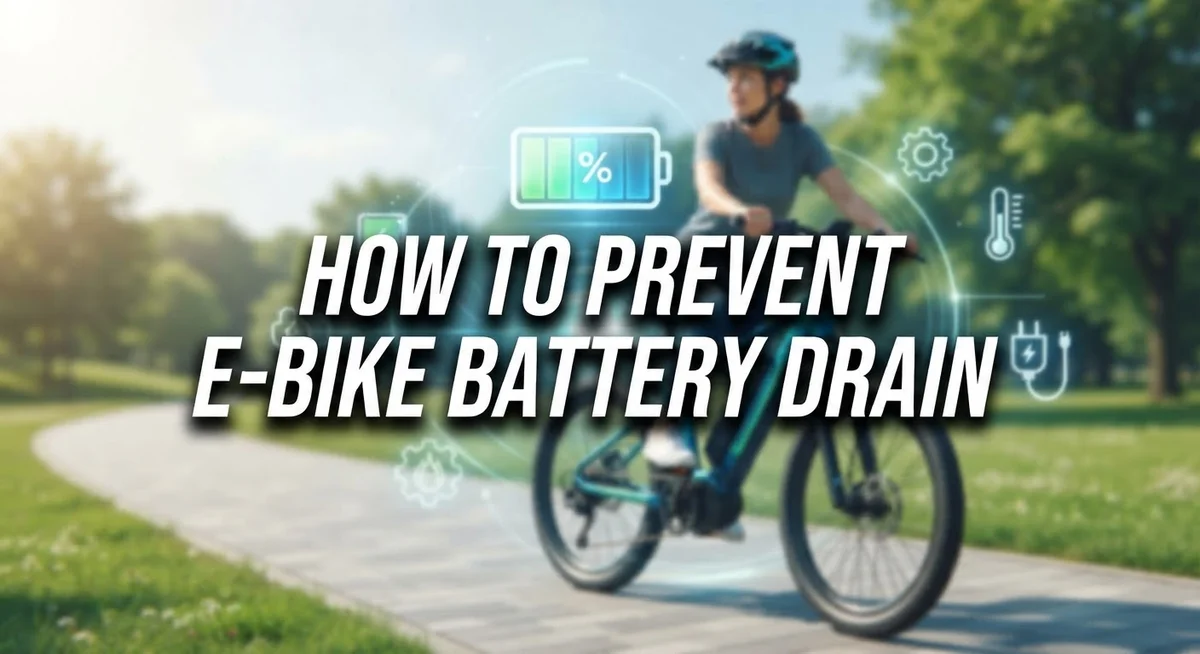
Does your e-bike battery drain faster than it used to? You are not alone. Many riders face this problem after months of regular use.
Lithium-ion batteries naturally degrade over time. But poor charging habits and bad storage conditions can speed up this process. The good news is you can slow it down.
This guide will show you how to protect your e-bike battery. You will learn why complete discharges hurt battery health. We will explain how temperature affects battery life too.
You will discover the ideal storage charge level for long breaks. We will also cover common mistakes that damage batteries fast. Think incompatible chargers and water exposure.
By the end of this article, you will understand simple steps to extend battery life. These include monitoring charge cycles and using Eco Mode. You will also learn proper cleaning methods.
Small changes in your riding and charging habits can make a big difference. Your battery will last longer and perform better. Let’s explore how to keep your e-bike battery healthy for years to come.
In a Nutshell
Here is a quick summary to keep your e-bike battery healthy for years to come.
-
Avoid full drains. Never let your battery hit 0%. Deep discharges cause lasting damage to lithium-ion cells.
-
Store it smart. Keep your battery at around 60% charge during long breaks. This slows down natural degradation.
-
Mind the temperature. Store your battery in a cool, dry, and ventilated space. Extreme heat or cold will shorten its life.
-
Charge it occasionally. If your bike sits unused, recharge the battery every six months. This keeps the cells active and stable.
-
Clean it gently. Use a soft brush or sponge to clean your battery. Never use high-pressure water, as moisture can cause corrosion.
-
Ride and charge wisely. Switch to Eco Mode when you can. Avoid fast charging and always use a compatible charger.
Follow these simple tips and your battery will thank you. A little care goes a long way in keeping your rides smooth and reliable.
Understanding Why E-Bike Batteries Drain and Degrade
Your e-bike battery loses power for specific reasons. Understanding these reasons helps you protect it better.
Lithium-ion batteries degrade through charge cycles. Each time you charge and discharge, the battery’s internal structure changes slightly. After hundreds of cycles, the battery holds less energy. This is normal wear, not a defect.
Temperature plays a huge role in battery health. Heat speeds up degradation dramatically. Cold temperatures also harm the battery, though less severely. Batteries stored in extreme conditions lose capacity faster than those kept moderate. Moisture and humidity create corrosion on battery contacts and internal components.
Complete discharge causes serious damage. When you let your battery drop to 0%, you stress the cells heavily. This single mistake accelerates degradation more than normal use does. Repeated full drains can cut your battery’s lifespan in half.
Your riding habits affect battery drain too. Aggressive acceleration, climbing steep hills, and carrying heavy loads demand more power. Riding in cold weather also drains batteries faster because cells work less efficiently. These factors drain your battery during each ride and contribute to long-term wear.
Water exposure creates another problem. Rain, puddles, and high-pressure washing can damage battery seals and connectors. Corrosion spreads inside the battery, reducing performance and lifespan.
Improper charging adds stress. Using incompatible chargers or fast charging constantly pushes the battery harder than needed. This generates extra heat and accelerates degradation.
Storage neglect matters too. Batteries sitting unused for months without charging lose capacity. Leaving a battery fully charged or fully drained during storage causes permanent damage.
These factors work together. A battery stored hot, wet, and fully charged while unused degrades fastest. Small improvements in any area extend your battery’s life significantly.
Assessing Your Riding Habits and Environmental Factors
Your riding habits and the environment around you directly shape how fast your battery drains. Understanding these factors helps you make smarter choices every day.
Start by tracking how you ride your e-bike. Do you use full throttle constantly, or do you rely on pedal assist? Heavy throttle use pulls more power from the battery than gentle pedal assist. Hills and rough terrain demand more energy than flat, smooth roads. If you ride in mountainous areas or carry heavy loads, your battery works harder and drains faster.
Weather conditions matter just as much as your riding style. Cold temperatures slow down chemical reactions inside the battery, making it feel like you have less power available. Hot weather speeds up these reactions but also causes faster degradation over time. Rain and humidity create corrosion risks that damage battery connections.
Your commute length and frequency affect battery health too. Short daily rides with frequent recharges create more charge cycles than occasional long trips. Each charge cycle ages your battery slightly, so understanding your pattern helps you plan maintenance.
Pay attention to road surfaces and riding speed. Rough terrain and high speeds increase energy use. Flat paths and moderate speeds preserve battery capacity longer.
Check where you store your bike when not in use. Garages and sheds with temperature swings harm batteries more than climate controlled spaces. Damp basements and hot attics accelerate degradation.
Keep a simple log of your typical rides. Note the distance, terrain type, temperature, and weather. After two weeks, patterns emerge. This awareness lets you adjust your habits. Switching to Eco Mode on flat sections or reducing throttle use on short trips makes real differences. Small adjustments based on your actual riding conditions prevent unnecessary battery drain.
Step-by-Step Guide to Checking Battery Health
Checking your battery health regularly keeps your e-bike running strong. Start by looking at the battery management system display on your bike. Most systems show you the current charge level and overall health status. Read your manufacturer’s manual to understand what the indicators mean.
Next, monitor your charge cycles over time. Each time you charge your battery, that counts as one cycle. Batteries degrade faster with more cycles, so tracking this number helps you understand battery age. You can often find this information in your bike’s diagnostic menu or app.
Pay attention to how your bike performs on a full charge. If you notice the range dropping significantly, your battery may need attention. For example, if your bike used to travel 40 miles on a charge and now only goes 25 miles, that signals potential degradation.
Test your battery in normal conditions. Ride your bike at your typical speed and terrain. Does the battery drain faster than usual? This real world test reveals actual performance better than any display reading.
Check for physical signs of damage too. Look for swelling, cracks, or corrosion on the battery casing. These problems mean you need professional service right away. Never ignore physical damage.
Keep a simple record of your observations. Write down the date, charge level, distance traveled, and any performance changes. This log helps you spot patterns early. After a few weeks of tracking, you will see whether your battery is healthy or declining.
Finally, reset your battery management system if your bike allows it. This recalibrates the system and often improves accuracy of health readings. Check your manual for the reset procedure specific to your model.
Best Practices for Charging and Storage
Proper charging and storage habits form the foundation of a healthy e-bike battery. Your actions during these times directly determine how long your battery lasts.
When charging, avoid using fast chargers whenever possible. Slow charging generates less heat and puts less stress on your battery cells. Plug in your battery when it reaches around 20 to 30 percent charge. This prevents deep discharges that damage lithium-ion cells.
Never let your battery drop to zero percent. Complete discharge causes serious harm to your battery’s internal structure. Stop riding when your battery reaches 10 to 15 percent remaining power.
For storage, the environment matters enormously. Store your battery in a cool, dry location away from direct sunlight, moisture, and extreme temperatures. Avoid hot garages, damp basements, or freezing outdoor spaces. A temperature between 50 and 75 degrees Fahrenheit works best.
Keep your battery at approximately 60 percent charge during storage. This middle ground prevents stress on your cells. If you store your bike for more than a few weeks, recharge your battery every six months to maintain its health.
Never expose your battery to water or high-pressure cleaning systems. Moisture causes corrosion and internal damage. Use a soft brush or sponge to clean the exterior gently.
Check your charger regularly for damage or wear. Use only the charger designed for your specific battery model. An incompatible charger can overcharge or undercharge your battery, causing premature failure.
These simple practices add years to your battery’s life. Consistency matters more than perfection. Small daily choices compound into significant battery longevity over time.
Riding Techniques and Settings That Extend Battery Life
Your riding techniques and system settings directly impact how long your battery lasts between charges. Small changes make a real difference in extending your e-bike’s range and battery health.
Start by using Eco Mode whenever possible. This setting reduces motor power output and stretches your battery significantly. You pedal more and the motor assists less, which trains your legs while preserving energy. Many riders find Eco Mode perfectly adequate for casual commutes and neighborhood trips.
Adjust your pedal assist level based on terrain. High assist levels drain your battery quickly on flat roads. Save maximum power for hills and challenging conditions where you truly need it. Medium assist works well for most situations and balances comfort with efficiency.
Smooth acceleration prevents battery strain. Gradual speed increases demand less power than sudden bursts. Think of it like driving a car smoothly versus gunning the engine. Your battery appreciates gentle throttle control.
Maintain consistent, moderate speed during rides. Constant speed changes force your motor to work harder and drain power faster. Find a comfortable pace and stick with it when possible.
Check your tire pressure regularly. Underinflated tires create extra rolling resistance and force your motor to work harder. Properly inflated tires reduce strain on both your battery and motor. This simple maintenance task pays big dividends.
Monitor your system’s display settings too. Many e-bikes show real time power consumption. Watch these numbers and adjust your riding style accordingly. You’ll quickly learn which actions drain battery fastest.
Finally, reduce unnecessary weight on your bike. Extra cargo forces your motor to work harder. Travel light when possible, especially on longer trips where battery range matters most.
Common Mistakes That Accelerate Battery Drain
Many riders accidentally speed up battery drain without realizing it. Understanding these mistakes helps you protect your investment and extend your battery’s lifespan significantly.
Letting your battery completely discharge is one of the most damaging mistakes you can make. When lithium-ion cells reach zero percent, they enter a stressed state. This stress causes permanent damage that reduces overall capacity. Even one complete discharge can noticeably impact your battery’s performance over time.
Storing your battery in extreme environments accelerates degradation rapidly. Heat causes chemical reactions inside the cells. Cold temperatures reduce performance and increase internal resistance. High humidity environments invite corrosion on connectors and terminals. Your storage location should stay cool, dry, and well ventilated throughout the year.
Using incompatible or low-quality chargers creates serious problems. Wrong chargers deliver incorrect voltage or current levels. This damages internal circuitry and shortens battery lifespan significantly. Always use chargers specifically designed for your e-bike model.
Neglecting regular maintenance checks lets small problems become big ones. You might miss physical damage, corrosion, or loose connections. These issues worsen quickly without attention. Simple visual inspections every few weeks catch problems early.
Exposing your battery to water and moisture causes irreversible damage. High-pressure washing forces water into sealed compartments. Even light rain exposure over time creates corrosion. Clean your battery with a soft brush or dry cloth instead.
Finally, ignoring your battery’s charge cycles wastes potential lifespan. Batteries degrade faster when constantly cycled between full and empty. Keeping your battery between 20 and 80 percent charge during regular use significantly extends its life. These common mistakes are easy to avoid once you know what to watch for.
Troubleshooting Unexpected Battery Drain Issues
When your e-bike battery drains faster than expected, start by examining your recent riding patterns. Heavy acceleration, frequent braking, and constant high-power assistance levels drain batteries quickly. Note the weather conditions during your rides too. Cold temperatures reduce battery efficiency significantly, while hot environments accelerate chemical degradation inside the cells.
Next, check your battery’s health status through your bike’s display system. Most modern e-bikes show remaining capacity and charge cycle counts. Compare these numbers to your bike’s original specifications. A noticeable drop indicates aging or internal issues that require professional inspection.
Environmental factors play a huge role in unexpected drain. If you’ve stored your bike in a garage that gets extremely hot or cold, temperature stress may have damaged the battery internally. Moisture exposure from rain or humid storage also causes problems. Check for corrosion around the battery connector or charging port.
Review your charging habits carefully. Frequent fast charging sessions, even if convenient, stress the battery’s internal components. Charging in very hot or cold environments also speeds up degradation. Your charger itself might be faulty. Test it with another compatible battery if possible, or have a professional evaluate it.
Finally, examine your bike’s electrical system for parasitic drain. Some bikes draw small amounts of power even when parked, especially if the display stays active. Check if your battery loses charge noticeably while the bike sits unused. This suggests a system issue rather than battery failure.
Document your findings in a simple notebook. Record drain rates, temperatures, and riding conditions. This information helps you identify patterns and guides conversations with service professionals if problems persist.
Routine Maintenance Checklist for Long-Term Battery Health
A routine maintenance checklist keeps your e-bike battery healthy for years. Start by inspecting your battery connector every month. Look for dirt, corrosion, or loose connections. Clean the contacts gently with a dry cloth if needed.
Next, check your battery’s physical condition monthly. Look for cracks, swelling, or damage to the casing. A damaged battery loses capacity faster and poses safety risks. Replace it immediately if you notice problems.
Monitor your charge cycles consistently. Track how often you charge your battery each week. Most lithium-ion batteries handle 500 to 1,000 cycles before significant degradation occurs. Knowing your pattern helps you predict when replacement becomes necessary.
Test your charger quarterly for proper function. Plug it in and watch for the indicator light. A charger that doesn’t light up properly may damage your battery over time. Replace faulty chargers right away.
Verify your storage conditions every season. Your battery’s environment matters tremendously. Keep the storage area cool, dry, and well-ventilated. Check that temperatures stay between 50 to 80 degrees Fahrenheit. High humidity or temperature swings reduce battery lifespan.
Review your riding data monthly through your bike’s display system. Most e-bikes show remaining battery capacity and health status. Declining percentages signal degradation is occurring. This information helps you plan maintenance before problems develop.
Finally, recharge your stored battery every six months, even if unused. This prevents deep discharge and maintains chemical balance inside the cells. A simple calendar reminder helps you remember this step.
These checks take only minutes monthly but add significant years to your battery’s life.
Final Thoughts
Your e-bike battery can last for years. You just need to treat it right.
Small habits make a big difference. Avoid full discharges. Keep your battery away from extreme heat or cold.
Store it at partial charge when not in use. Clean it gently and keep it dry at all times.
These simple steps protect your investment. They also keep your rides smooth and reliable.
Battery care is not complicated. It just requires consistency. A few minutes each month can add years to its life.
Think of your battery like a living part of your bike. It responds well to good care. It suffers when neglected.
Temperature control matters more than most riders realize. Heat speeds up chemical breakdown inside the cells. Cold temporarily reduces power output.
Keep your bike in a space with stable temperatures. This single habit prevents many common problems.
Charging habits also shape battery health. Slow, steady charging is gentler than fast charging. It reduces heat buildup and stress on the cells.
Avoid letting your battery sit at zero percent. This is one of the fastest ways to shorten its life. Charge it before it drops too low.
If you store your e-bike for weeks, check the battery regularly. A quick top-up every few months keeps it balanced and healthy.
Your riding style matters too. Smooth acceleration and steady speeds use less energy. This means less strain on the battery over time.
E-bike battery care is simple once you build the habit. Small actions, repeated often, protect your battery for the long run.
Follow these steps, stay consistent, and your battery will reward you with reliable performance for years to come.
Frequently Asked Questions
Can I leave my e-bike battery plugged in overnight?
Yes, most modern e-bike chargers have built-in safety features that stop charging once the battery reaches full capacity. However, leaving it plugged in for extended periods isn’t ideal. Unplug your charger once the battery reaches 100% to reduce unnecessary stress on the cells. If you charge overnight occasionally, it won’t cause major damage, but making it a habit can slightly reduce your battery’s lifespan over time.
What’s the best way to store my battery during winter?
Store your battery in a cool, dry room with stable temperatures between 50°F and 77°F. Charge it to about 60% before storing it away. This partial charge level keeps the battery in an optimal state without stressing the cells. Check on it every six months and recharge it to 60% again if needed, even if you haven’t used your bike.
How often should I charge my battery if I ride daily?
Charge your battery after each ride or when it drops to 20% capacity. Avoid waiting until it reaches 0% before recharging. Daily riders should aim for regular, shallow charges rather than occasional deep charges. This habit keeps your battery in the healthiest state and maximizes the number of useful charge cycles you get from it.
Why does my battery drain faster in cold weather?
Cold temperatures reduce the chemical reaction speed inside lithium-ion batteries. Your battery doesn’t actually lose capacity permanently in cold, but it performs poorly temporarily. Once you warm it up indoors, performance returns to normal. Avoid charging your battery when it’s cold. Let it warm to room temperature first, then plug it in.

Philips is the founder and lead writer at GearheadGarageFinds.com, a passionate automobile enthusiast who has spent years testing, comparing, and reviewing auto products and accessories to help fellow gearheads make smarter buying decisions. When he’s not under the hood or behind the keyboard, you’ll find him exploring the latest automotive innovations and hunting for the best garage finds on the market.