
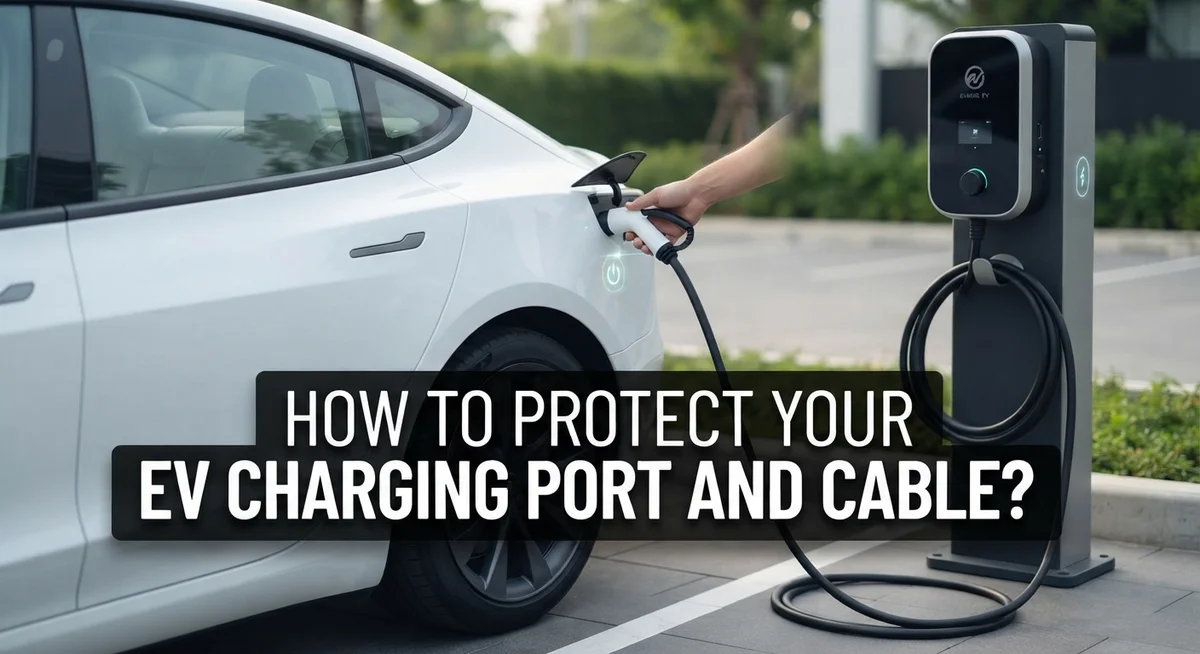
How to Protect Your EV Charging Port and Cable?
Your EV charging port and cable work hard every day. They face rain, dust, heat, and constant plugging and unplugging.
Without proper care, these parts wear out fast. A damaged port or frayed cable can leave you stranded without a charge.
The good news? Protecting your EV charging equipment is simple. You just need the right habits and a little attention.
This guide walks you through practical ways to keep your charging port and cable safe. You will learn how to store your cable correctly after each use.
We will also cover how to shield your equipment from bad weather and moisture. Theft protection matters too, so we will share simple tips to keep your charger secure.
You will discover common mistakes that damage cables and ports over time. Many EV owners make these errors without even realizing it.
By the end of this article, you will know exactly how to extend the life of your charging equipment. Small steps now can save you big repair costs later.
Let us look at what your EV charger truly needs to stay safe and reliable.
In a Nutshell
Here’s a quick summary to keep your EV charging gear safe and long lasting.
-
Store cables properly after every charge. Use reels, hooks, or wall mounts. This keeps cables off the ground and away from damage.
-
Avoid tight kinks or bends when you roll up cables. This protects the internal conductors from wear and tear.
-
Keep connectors dry and clean. Moisture and dirt cause serious damage over time. Wipe them down when needed.
-
Inspect your plugs and cables often. Look for cracks, fraying, or loose parts. Catching problems early saves you money.
-
Never use multiple adapters together. This overloads your system and can damage both your EV and charger.
-
Use cable locks to prevent theft. A simple lock adds an extra layer of security for your equipment.
Small habits make a big difference. Follow these steps daily, and your charging port and cable will last much longer. Simple care today means fewer headaches tomorrow.
Why EV Charging Port and Cable Protection Matters
Your EV charging port and cable face real risks every single day. Rain, snow, dirt, and temperature swings all take their toll over time.
Damage costs money and safety. When cables get damaged internally, they can overheat or fail suddenly. A cracked connector lets moisture inside, which causes corrosion and electrical problems. Worn ports make charging slower or stop working altogether. Replacing these parts is expensive and inconvenient.
Weather creates constant threats. Water seeps into exposed connectors during rainy days. Freezing temperatures make cables brittle and prone to cracking. UV rays from the sun break down cable insulation gradually. Salt spray near coastal areas accelerates corrosion on metal parts.
Theft is a real concern. Charging cables and connectors have value. Thieves target unattended equipment, especially in public spaces. A stolen cable leaves you unable to charge until you replace it.
Proper storage prevents most damage. Cables left on wet ground absorb moisture and develop problems. Cables wrapped too tightly create internal wire breaks. Coiled cables exposed to sun deteriorate faster than protected ones.
Regular inspection catches problems early. Small cracks grow into big failures if ignored. Discoloration on connectors signals moisture or overheating issues. Loose plugs indicate wear that needs attention soon.
Simple habits pay off big. Keeping your cable dry and stored correctly extends its lifespan significantly. Checking your equipment monthly catches issues before they become serious. Using locks prevents theft and gives you peace of mind.
Your charging port and cable deserve basic care. This protection keeps your EV ready to charge whenever you need it and prevents expensive repairs down the road.
Common Threats to Charging Ports and Cables
Your EV charging port and cable face several real threats every day. Understanding these dangers helps you protect your equipment before problems start.
Physical damage ranks as the most common threat. Driving over cables crushes internal conductors and creates safety hazards. Tight kinks or bends during storage also damage wires inside the cable. Even stepping on connectors or dropping them can break delicate components inside.
Weather exposure poses constant risks to your charging setup. Rain and snow introduce moisture into connectors and ports. Freezing temperatures make cables brittle and prone to cracking. Extreme heat damages insulation and weakens connections over time. UV rays from sunlight degrade cable jackets and protective coatings.
Moisture and dirt accumulate in connector openings and cause corrosion. Salt spray near coastal areas accelerates this corrosion process. Dust particles trapped inside ports create poor electrical contact. These conditions lead to slow charging speeds or complete connection failures.
Theft and vandalism threaten unattended charging cables. Thieves target expensive cables left unsecured at public stations. Vandals may damage equipment out of malice or curiosity.
Electrical overload occurs when people attach multiple adapters to a single connector. This exceeds safe power limits and damages both your EV and the charger. Faulty outlets or damaged cables also create shock hazards.
Environmental contaminants like road salt, sand, and debris settle on exposed equipment. These materials corrode metal contacts and degrade rubber seals.
Regular inspection reveals early warning signs before major failures happen. Simple storage habits and basic maintenance prevent most of these threats from causing real damage to your charging system.
Step-by-Step Guide to Proper Cable Storage and Handling
Rolling up your cable correctly is your first defense against damage. Start by disconnecting the charger from your vehicle. Hold the connector end in one hand and gently coil the cable in large loops, roughly the size of a dinner plate. Avoid tight kinks or sharp bends that crush the internal wires inside.
Once coiled, secure the loops with a velcro strap or soft tie. Never use rubber bands or metal clips that pinch the cable. Store your coiled cable on a wall mount, reel, or hook in a dry location. Keeping cables off the ground prevents tripping hazards and protects them from vehicle traffic.
Inspect your connectors before and after every charging session. Look for dirt, moisture, or visible damage on the plug ends. Wipe the connector with a clean, dry cloth if you notice dust or debris. Keep connectors completely dry before plugging them in.
If ice builds up on your charger during winter, remove it gently with a soft brush or plastic scraper. Never use hot water or metal tools, which can damage the connector housing and create electrical hazards.
For outdoor charging stations, consider using a weatherproof cover or storage box designed for cables. These containers protect against rain, snow, and extreme temperatures.
Never wrap cables tightly around the charger post or your vehicle’s bumper. This practice stresses the internal conductors and creates fire risks.
Check your cables weekly for cracks, exposed wires, or burn marks. Replace any damaged cables immediately. A small investment in replacement cables costs far less than repairing your vehicle’s charging system.
Protecting Your Charging Port and Cable from Weather and Moisture
Weather and moisture pose serious risks to your EV charging port and cable. Water, snow, and humidity can cause corrosion inside connectors and damage electrical components over time.
Keep your charging port covered when not in use. Many charging stations have built in covers or protective flaps. If yours doesn’t, consider adding a simple weatherproof shield to block rain and snow from falling directly into the connector opening.
During rainy weather, dry the connector and cable before plugging in. Use a clean, dry cloth to wipe down the surfaces. This simple step prevents water from entering the electrical contacts where it causes the most damage.
Winter weather requires extra attention. Ice buildup can damage connector pins and make insertion difficult. Remove ice gently using a soft brush or plastic scraper. Never use hot water or metal tools, as these can crack plastic components or cause electrical hazards.
Store your cable off the ground whenever possible. Cables left on wet soil or puddles absorb moisture through their outer jackets. Use wall hooks, cable reels, or mounted storage systems to keep cables elevated and dry.
Check connector openings regularly for dirt, debris, or moisture. Compressed air works well for blowing out dust and dry particles. Avoid using liquids to clean connectors, as this pushes moisture deeper inside.
Ventilation matters too. If you use an indoor charging station, ensure proper airflow around the equipment. Poor ventilation traps humidity and speeds up corrosion. Open garages and covered carports provide better protection than fully enclosed spaces with limited air circulation.
These practical steps keep moisture away from sensitive electrical components and extend your charging system’s lifespan significantly.
Routine Inspection and Maintenance Best Practices
Routine inspection keeps your charging equipment safe and functional. Check your cable and connector every time you charge. Look for visible cracks, exposed wires, or discoloration on the outer jacket. These signs indicate internal damage that needs immediate attention.
Visual checks take just 60 seconds and catch problems early. Run your fingers along the cable length to feel for soft spots or unusual bumps. Examine the connector pins closely for corrosion, bent pins, or debris buildup. Clean connector openings gently with a dry cloth if you spot dust or dirt.
Test your charging port by inserting the connector slowly and listening for a solid click. The connection should feel firm and secure. If insertion feels loose or difficult, stop and inspect the port opening for damage or obstruction.
Monthly maintenance prevents costly repairs. Clean the exterior of your charger housing with a soft, damp cloth. Remove any accumulated dirt, pollen, or salt residue. Pay special attention to ventilation slots where debris tends to gather.
Document your inspection results by taking photos or notes. This creates a maintenance history that helps identify patterns. For example, recurring moisture in connectors signals a storage or environmental issue that needs fixing.
Test your charger’s functionality regularly. Plug in during off peak hours and monitor the charging process. Watch for unusual sounds, overheating, or error messages on your vehicle’s display. These warnings indicate electrical or mechanical problems requiring professional service.
Replace damaged cables immediately. A faulty cable poses fire and shock hazards. Never attempt repairs on electrical components yourself. Contact a qualified technician or your vehicle manufacturer for replacements and professional diagnostics.
Preventing Theft and Unauthorized Use
Theft and unauthorized use of EV charging equipment is a real concern for many owners. Protecting your charging setup requires practical steps that deter thieves and prevent others from using your charger without permission.
The first line of defense is a cable lock. This device secures your charging cable to your vehicle or a fixed object. Cable locks make it harder for someone to simply unplug and walk away with your equipment. They work best when combined with other security measures.
Consider using a charger lock as well. These devices attach to your charging station and prevent unauthorized access. Some lock mechanisms require a key or code to activate charging. This gives you complete control over who uses your equipment.
Location matters significantly for security. Park in well lit areas whenever possible. Thieves prefer dark, isolated spots. If you charge at home, position your charger where neighbors or passersby can see it. Visibility acts as a natural deterrent.
Install your charger in a garage or covered area if you have the option. Indoor charging stations are much harder to target than outdoor ones. This also protects your cable from weather damage at the same time.
Mark your cable with your name or contact information. Use weatherproof labels or permanent markers. Labeled equipment is less attractive to thieves because it’s harder to resell anonymously.
Stay alert at public charging stations. Never leave your vehicle unattended while charging. Check on your car periodically. Remove your cable promptly when charging finishes.
Combine multiple security methods for best results. Use a cable lock plus a charger lock plus good location selection. This layered approach makes your charging setup a less attractive target. Thieves typically move on to easier opportunities when they encounter multiple obstacles.
Mistakes to Avoid When Handling EV Chargers and Cables
Handling your EV charger and cable incorrectly can cause serious damage. Avoid wrapping cables too tightly around your arm or in coils. Tight wraps crush the internal wires and damage the conductors inside.
Never drive over your charging cable. Vehicles pressing down on cables break the outer insulation and expose live wires. This creates electrical hazards and fire risks.
Don’t leave cables lying on wet ground or in puddles. Water seeps into connectors and causes short circuits. Always keep cables elevated and dry when storing them.
Stacking multiple adapters on a single connector is dangerous. Each adapter adds resistance and heat. Using more than one adapter overloads the connection and damages both your EV and charger.
Avoid yanking or pulling cables forcefully from connectors. Rough removal bends the pins inside and breaks the connection mechanism. Remove cables slowly and gently.
Don’t ignore dirt and debris in connector openings. Dust buildup blocks proper contact between the plug and port. Clean connectors regularly with a dry cloth.
Never use hot water or metal tools to remove ice from connectors. These methods damage plastic parts and harm the internal pins. Use soft brushes or plastic scrapers instead.
Skip storing cables on the ground where people trip over them. Foot traffic damages the outer coating. Use wall mounts, reels, or hooks to keep cables organized and protected.
Don’t charge with wet hands or wet equipment. Moisture creates shock hazards. Dry everything completely before connecting.
Finally, avoid ignoring cable storage after charging. Leaving cables coiled loosely on the ground invites damage from weather, animals, and foot traffic. Proper storage extends cable life significantly.
Troubleshooting Common Charging Port and Cable Issues
When your EV charging port or cable shows signs of trouble, quick diagnosis saves time and money. Start by checking the connector for visible damage like bent pins, cracks, or corrosion. These issues prevent proper electrical contact and can stop charging completely.
Test the connection slowly. Insert the connector into your charging port and listen for a solid click. If you don’t hear it, the connector may not be seating correctly. Remove it gently and inspect both the port and plug for debris or foreign objects. Even small particles block the connection.
Check your cable for cuts, exposed wires, or damaged insulation. Run your fingers along the entire length while looking for soft spots or bulges. These signs indicate internal damage that creates safety hazards. A damaged cable needs replacement immediately.
If your charger powers on but won’t charge, the issue may be internal. Try a different outlet to rule out electrical problems at your home. If charging still fails, your charger likely needs professional service.
Moisture causes many charging failures. Ensure both your port and connector are completely dry before plugging in. If moisture got inside, leave the connector disconnected and let it air dry for several hours. Never force a wet connector into your port.
For slow charging speeds, check if you’re using the correct outlet type. Level 1 chargers use standard outlets and charge slowly. Level 2 chargers require dedicated circuits and deliver faster results.
Keep a simple log of any issues you notice. Document the date, symptoms, and what you tried. This information helps technicians diagnose problems faster if professional service becomes necessary.
Final Thoughts
Taking care of your EV charging port and cable does not need to be hard. Small daily habits make a big difference over time.
Simple actions like rolling up your cable properly and keeping connectors dry can extend the life of your equipment. These steps also keep charging safe and reliable.
Consistency matters more than perfection. You do not need to be flawless every time you charge. You just need to build good habits that stick.
Think of your charging port and cable as important tools. Just like any tool, they need care and attention to work well for years.
Regular inspection helps you catch small problems before they grow. A quick check before and after charging can save you from bigger headaches later.
Weather protection, proper storage, and careful handling all work together. None of these steps work alone. They support each other to keep your equipment safe.
Security should never be an afterthought. Combining a cable lock, a charger lock, and smart parking choices gives you strong protection against theft.
Avoid common mistakes like using multiple adapters or ignoring dirt in your connector. These small oversights can lead to expensive repairs or unsafe charging conditions.
If something feels wrong with your charging setup, trust your instincts. Slow charging, strange noises, or visible damage are signs you should not ignore.
Taking a few extra minutes each day protects your investment. Your EV charger and cable are essential parts of your daily routine.
With the right care, your equipment will serve you well for years. Simple habits, regular checks, and smart storage go a long way.
Protecting your EV charging port and cable is not complicated. It just takes attention, consistency, and a little bit of care every time you charge.
Frequently Asked Questions
How often should I inspect my EV charging cable?
Check your cable at least once a month. Look for cracks, cuts, or discolored spots on the insulation. Pay close attention to the connector ends where wear happens most. If you charge daily, inspect every two weeks instead. After severe weather or if you notice anything unusual, check immediately.
What’s the best way to store my charging cable?
Roll your cable loosely in a figure eight pattern. Use a cable reel, wall hook, or storage bag to keep it organized. Never wrap cables tightly around your arm or charger. Tight wrapping damages the internal wires over time. Store cables indoors or in a covered area away from direct sunlight and extreme temperatures.
Can moisture really damage my charging port?
Yes, absolutely. Water and humidity cause corrosion inside your port and connector. Always dry both surfaces before charging, especially after rain or washing your car. If moisture gets inside, let everything air dry completely before attempting to charge again. Moisture is one of the top causes of charging failures.
How do I prevent cable theft?
Use a cable lock or charger lock designed for your equipment. These secure the cable to your vehicle or charging station. Some people also use motion sensor lights or park in well lit areas. If you charge at home, store your cable in a garage or shed when not in use.
What should I do if my cable gets damaged?
Stop using it immediately. A damaged cable creates fire and shock hazards. Have it inspected by a professional before attempting any repairs. In most cases, replacement is safer than repair. Never tape or patch damaged insulation yourself.

Philips is the founder and lead writer at GearheadGarageFinds.com, a passionate automobile enthusiast who has spent years testing, comparing, and reviewing auto products and accessories to help fellow gearheads make smarter buying decisions. When he’s not under the hood or behind the keyboard, you’ll find him exploring the latest automotive innovations and hunting for the best garage finds on the market.


