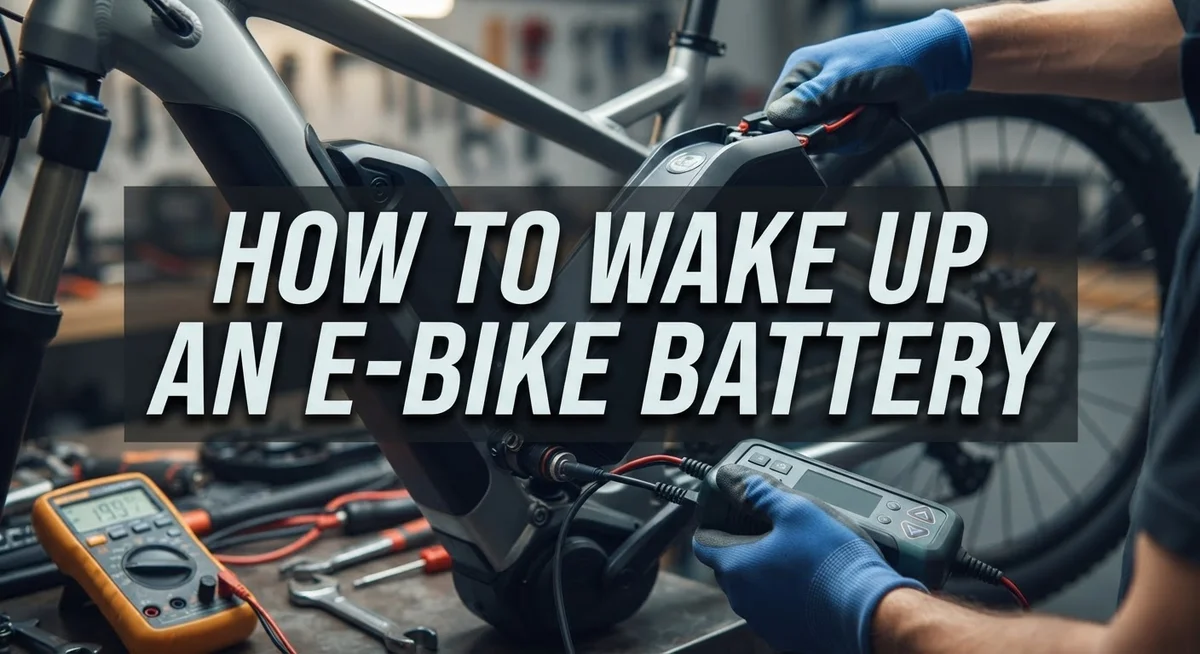
How to Wake Up an E-Bike Battery: Step-by-Step Guide
Did your e-bike battery suddenly stop responding? Don’t worry. This happens to many riders after storing their bike for a while.
Your battery isn’t dead. It’s likely in sleep mode.
E-bike batteries have a smart BMS (Battery Management System). This system protects the battery during long periods of non-use. It triggers a dormant state to prevent damage.
The good news? Waking it up is simple. You just need the right steps and a little patience.
In this guide, we’ll show you exactly how to wake up your e-bike battery safely. We’ll cover the proper charging sequence and why your original charger matters so much.
You’ll also learn the common mistakes that keep batteries asleep longer. Things like charging too soon after a ride or storing your battery in extreme temperatures can cause issues.
By the end, you’ll know how to revive your battery in 1 to 2 hours. You’ll also learn how to store it properly so this doesn’t happen again.
Let’s get your ride powered up again.
In a Nutshell
Here’s a quick summary to help you get your battery back in action.
-
Sleep mode is normal. Your e-bike battery’s BMS puts it to rest after long periods of non-use. This protects the battery, not damages it.
-
Use the original charger only. Plugging in a wrong-voltage charger can harm your battery. Always stick with the charger made for your specific bike.
-
Wake-up takes time. Most batteries respond within 1 to 2 hours after you plug in the charger. Be patient and let it work.
-
Charge in a safe spot. Place your battery on a fire-resistant surface like concrete or tile. Keep it away from anything flammable.
-
Let it cool first. If you just finished riding, wait 30 minutes before charging. This helps your battery respond better.
-
Store it right. Keep your battery indoors in temperatures between 0°C and 35°C. Avoid direct sunlight, freezing sheds, or hot garages.
Follow these simple steps, and your battery should wake up without any trouble.
Why E-Bike Batteries Go Into Sleep Mode
Your e-bike battery enters sleep mode for a good reason. When you don’t use your bike for weeks or months, the Battery Management System (BMS) automatically powers down to protect the battery’s health and prevent damage.
Think of sleep mode like hibernation. The battery isn’t dead or broken. It’s simply in a low-power state to preserve its lifespan and prevent self-discharge. This is actually a smart feature built into modern e-bikes.
Several situations trigger sleep mode. Extended storage without charging is the most common cause. If you leave your battery sitting in a garage or shed for 30 days or longer, the BMS will likely activate sleep mode. Extremely cold temperatures can also trigger this protective state.
Another reason batteries go dormant is deep discharge. If your battery drains completely during storage, the BMS may enter sleep mode as a safety measure. This prevents damage that could happen if the battery voltage drops too low.
The BMS also activates sleep mode to reduce power consumption. Even when your battery sits idle, it uses tiny amounts of energy. Sleep mode cuts this drain significantly, so your battery holds its charge much longer between rides.
Here’s what’s important: sleep mode isn’t a sign of failure. It’s the battery doing exactly what it’s designed to do. The BMS monitors voltage, temperature, and charge levels constantly. When conditions suggest the battery won’t be used soon, it powers down automatically.
Understanding why sleep mode happens helps you take better care of your battery. Regular charging every few weeks keeps your battery active and ready. Storing your battery in a cool, dry indoor space prevents unnecessary dormancy. When you know the reasons behind sleep mode, you can avoid it and keep your battery in peak condition.
Safety Precautions Before You Begin
Before you attempt to wake up your e-bike battery, take a few important steps to keep yourself and your equipment safe. Safety comes first when working with lithium batteries.
Start by choosing the right location. Place your battery on a fire-resistant surface like concrete or tile. Never put it on carpet, wood, or fabric. Keep the battery away from flammables like gasoline, solvents, or cleaning products. Make sure the area is dry and well-ventilated.
Check your charger before plugging anything in. Use only the original charger that came with your e-bike. Using a different charger with wrong voltage can damage your battery or create safety risks. Look at the charger label to confirm it matches your battery’s voltage and specifications.
Give your battery time to cool down. If you just finished riding, wait at least 30 minutes before charging. Charging a hot battery stresses the cells and reduces its lifespan. Let it rest in a cool room first.
Inspect the battery for damage. Look for cracks, dents, or swelling on the battery case. Don’t charge a damaged battery. Contact the manufacturer if you notice anything unusual.
Prepare your charging space. Keep children and pets away from the battery while it charges. Don’t leave it unattended for the entire wake-up period, especially during the first charge. Have a fire extinguisher nearby, though problems are rare with proper precautions.
Check the temperature. Charge your battery in temperatures between 0°C and 35°C. Extreme heat or cold reduces charging efficiency and can damage the battery. If your battery is cold from storage, let it warm up to room temperature first.
These simple precautions protect you and extend your battery’s life.
Step-by-Step: How to Wake Up Your E-Bike Battery
Your e-bike battery’s wake-up process is straightforward once you understand the basics. The Battery Management System (BMS) puts your battery to sleep during extended storage to protect it. Waking it up simply means reactivating this system through proper charging.
Start by gathering what you need. Find your original charger and locate a fire-resistant surface like concrete or tile. Never use a charger from a different brand or model, as wrong voltage can damage your battery permanently.
Place your battery on the safe surface away from anything flammable. Make sure the area is dry and away from direct sunlight. Check that the temperature in your charging space is comfortable, ideally between 0°C and 35°C.
Plug the charger into a wall outlet first. Then connect the charger to your battery. You should see an indicator light appear on the charger. This light tells you the battery is waking up and charging.
Most batteries respond within 1 to 2 hours. During this time, the BMS reactivates and begins restoring power to your battery cells. Leave the battery undisturbed while it charges. Don’t unplug it early, as this interrupts the wake-up sequence.
Watch for the charger light to change color or turn off. This indicates your battery has reached full charge. Once charging completes, unplug the charger from the wall outlet. Then disconnect it from your battery.
Test your battery by installing it on your e-bike and taking a short ride. You should feel normal power and acceleration. If the range seems unusually low after full charging, your battery may need professional inspection.
Store your battery properly after use. Keep it indoors in cool, dry conditions. Never leave it uncharged for months, as this can trigger deep sleep mode again. Regular use and proper storage keep your battery healthy and responsive.
Best Practices for Charging and Long-Term Storage
Keeping your e-bike battery in top shape requires smart charging habits and proper storage techniques. These practices prevent sleep mode and extend battery lifespan.
Charge regularly to avoid deep discharge. Your battery performs best when you charge it after each ride. Avoid letting it drop below 20% charge. Regular use keeps the battery active and healthy. Think of consistent charging like regular exercise for your battery’s health.
Use a proper charging routine. Plug in your charger after your battery cools down. Charge in a dry, temperature-controlled space. Most batteries reach full charge in 4 to 6 hours. Don’t leave your battery on the charger permanently once it’s full.
Store at the right temperature. Keep your battery indoors between 0°C and 35°C. Extreme cold slows chemical reactions inside the battery. Extreme heat speeds up degradation. Avoid garages, sheds, or attics where temperatures swing wildly. A climate-controlled room works perfectly.
Protect from moisture and sunlight. Store your battery away from windows and damp areas. Moisture damages internal circuits. Direct sunlight heats the battery unnecessarily. A dark cabinet or closet is ideal.
Charge before long storage periods. If you won’t use your e-bike for weeks or months, charge the battery to about 50% capacity. This level reduces stress on the battery management system. Check the charge level every 2 to 3 months during storage. Top it up if needed.
Avoid these common mistakes. Never store a completely empty battery. Never use chargers from other brands. Never charge immediately after intense rides when the battery is hot. These errors trigger sleep mode or cause permanent damage.
Following these practices keeps your battery responsive and ready whenever you need it.
Common Mistakes That Prevent a Successful Wake-Up
Many people make simple mistakes that stop their e-bike battery from waking up properly. Understanding these errors helps you avoid frustration and battery damage.
Using the wrong charger is the biggest problem. Your battery’s BMS (Battery Management System) recognizes only the original charger voltage. A different charger may not trigger wake-up, or it could damage the battery permanently. Always use the charger that came with your e-bike.
Charging too soon after riding causes another common issue. Your battery generates heat during use. Plugging it in immediately forces the BMS to work harder. Wait at least 30 minutes after your ride ends before connecting the charger.
Storing your battery in extreme temperatures prevents successful wake-up later. Freezing sheds and hot garages damage the BMS. Cold temperatures slow down chemical reactions inside the battery. Heat accelerates degradation. Your battery sleeps longer in these conditions and may not respond to charging attempts.
Leaving your battery completely dead for months creates serious problems. The BMS enters deep sleep mode to protect itself. A completely depleted battery becomes harder to reactivate. Even the original charger may take longer to wake it up.
Ignoring physical damage before charging is risky too. Cracks, dents, or swelling indicate internal problems. Charging a damaged battery can cause safety hazards. Always inspect your battery first.
Storing your battery on the charger permanently drains its lifespan. Constant charging creates stress on the BMS and battery cells. Remove your battery from the charger once it reaches full charge.
Not cleaning the charging contacts reduces connection quality. Dust or corrosion on metal contacts prevents proper power flow. Gently wipe the contacts with a dry cloth before charging.
These mistakes are easy to fix once you know them. Follow the right steps, and your battery will wake up reliably every time.
Troubleshooting a Battery That Won’t Wake Up
When your e-bike battery won’t wake up, the problem usually stems from the Battery Management System (BMS) entering deep sleep mode. This happens during extended storage or when the battery drains completely. The good news is that most batteries can be revived with the correct approach.
Start with the basics. Check that you’re using your original charger. A mismatched charger delivers the wrong voltage and can damage the battery permanently. Wrong chargers are the leading cause of failed wake-up attempts. Your original charger is specifically designed for your battery’s specifications.
Prepare a safe charging environment. Place your battery on a fire-resistant surface like concrete or tile. Keep it away from flammable materials, curtains, and paper. This protects your home while the battery reactivates. Make sure the area is dry and well-ventilated.
Connect the charger properly. Plug the charger into a wall outlet first, then connect it to your battery. This sequence prevents electrical surges. Leave the battery undisturbed for 1 to 2 hours. Most batteries automatically wake up during this period as the BMS detects the incoming charge.
Watch for signs of life. The charger light should indicate charging status. Some lights change color or turn off when charging completes. If nothing happens after 2 hours, try a different wall outlet to rule out electrical issues.
Test before concluding. Install the awakened battery on your e-bike and take a short test ride. This confirms the battery is truly functional. If your battery still won’t respond after following these steps, contact the manufacturer. The BMS may require professional intervention or the battery might have internal damage. Never force charging or apply heat to unresponsive batteries.
Signs of Battery Degradation After Waking It Up
After you wake up your e-bike battery with proper charging, pay attention to how it performs. Degradation signs tell you whether your battery is healthy or aging.
The first indicator is reduced range. If your battery previously lasted 40 miles but now only reaches 25 miles on a full charge, degradation has likely occurred. This happens because internal cells lose capacity over time. Test your range on a familiar route to spot this change early.
Another sign is slow charging speed. A healthy battery charges fully in 4 to 6 hours. If your battery now takes 8 to 10 hours to reach full capacity, the internal resistance has increased. This means cells are weakening and can’t accept energy as efficiently.
Watch for inconsistent power delivery during rides. Your motor may feel sluggish or lose power suddenly. The battery might show a full charge indicator but drain quickly. This suggests the BMS is struggling to regulate power correctly, which happens as cells age.
Heat generation during charging is concerning. Your battery should feel warm but not hot to touch. Excessive heat means internal resistance is rising, which accelerates degradation. If the charger gets very hot, disconnect it immediately and let everything cool down.
Check the physical condition of your battery too. Swelling, cracks, or corrosion around terminals indicate serious problems. These issues mean internal damage has occurred and the battery needs professional inspection.
Battery voltage readings matter as well. If you have a multimeter, test the voltage when fully charged. Compare it to your battery’s rated voltage. A significant drop means cells have degraded.
Finally, listen for unusual sounds. Clicking or buzzing noises during charging suggest electrical problems inside. These sounds mean the BMS is working harder than normal to manage failing cells.
If you notice multiple degradation signs, contact your battery manufacturer. They can test your battery properly and recommend replacement if needed.
Final Thoughts
Waking up an e-bike battery is simple once you know the right steps. Patience and proper technique matter more than fancy tools or tricks.
Your battery’s BMS protects it during long rest periods. This is normal behavior, not a defect.
Always use the original charger that came with your e-bike. This single step prevents most wake-up failures.
Give your battery time to respond. Most batteries wake up within one to two hours of proper charging.
Create a safe charging space first. Pick a fire-resistant surface like concrete or tile, away from anything flammable.
Good storage habits prevent sleep mode problems before they start. Keep your battery indoors, in a dry spot, between 0 and 35 degrees Celsius.
Avoid extreme heat, cold, and direct sunlight. These conditions stress your battery and trigger deeper dormancy.
Never let your battery sit completely dead for months. This habit damages cells and makes wake-up much harder.
Also, don’t leave your battery permanently connected to the charger. This shortens its overall lifespan over time.
If your battery won’t respond after trying these steps, don’t panic. Some batteries simply need extra time or a different outlet.
Check your connections and contacts for cleanliness. Dirty or corroded contacts block the charging signal your battery needs.
When basic troubleshooting doesn’t work, reach out to your manufacturer. They understand your specific battery model best.
A dead-looking battery often has more life left than you think. Most wake-up issues resolve with the right charger and a little patience.
Treat your battery well between rides and storage periods. This simple care routine keeps wake-up problems rare and manageable long term.
Frequently Asked Questions
Why does my e-bike battery enter sleep mode?
Your battery’s BMS (Battery Management System) puts the battery to sleep when you don’t use it for extended periods. This protects the battery and extends its lifespan. Think of it like hibernation for your battery.
How long does it take to wake up a dead e-bike battery?
Most batteries wake up within 1 to 2 hours of proper charging. The exact time depends on how deeply your battery slept and its current condition. Patience is key here.
Can I use a different charger to wake up my battery?
No. Always use your original charger only. Using the wrong charger can damage your battery permanently because the voltage won’t match. Stick with what came in your e-bike box.
What should I do if my battery still won’t wake after 2 hours of charging?
First, check that your charger connections are clean and secure. Look at both the charger plug and the battery port for dirt or corrosion. If connections look good, try a different outlet to rule out electrical problems at that location. If your battery still doesn’t respond after these checks, contact your battery manufacturer for help.
Is it normal for my battery to feel warm while charging?
Mild warmth is normal. However, excessive heat during charging signals a problem. Let your battery cool for 30 minutes after riding before you charge it. If it gets hot during charging even after cooling, stop charging and contact the manufacturer.

Philips is the founder and lead writer at GearheadGarageFinds.com, a passionate automobile enthusiast who has spent years testing, comparing, and reviewing auto products and accessories to help fellow gearheads make smarter buying decisions. When he’s not under the hood or behind the keyboard, you’ll find him exploring the latest automotive innovations and hunting for the best garage finds on the market.