
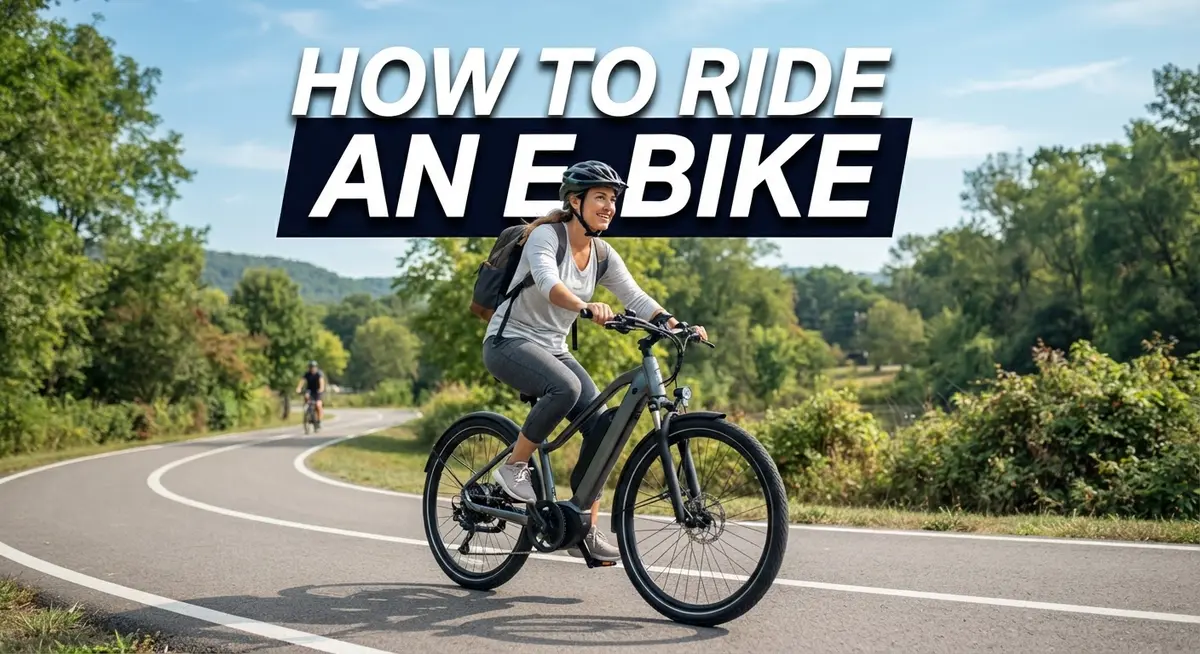
How to Ride an E-Bike: A Beginner’s Step-by-Step Guide
Riding an e-bike feels like magic the first time you try it. You pedal, and the motor gives you an extra push. Suddenly, hills feel flatter and long rides feel shorter.
But e-bikes are not exactly like regular bikes. They have pedal-assist systems that respond to your effort. They reach speeds of about 20 km/h with very little work from you.
This difference means you need a few new skills. You must learn how pedal-assist works. You also need to understand gear shifting and proper body position.
Good news: it’s easier than you think. With a little practice, anyone can ride an e-bike safely and confidently.
In this guide, we will walk you through everything you need to know. You will learn how to set up your bike for comfort. We will cover pedal-assist basics and smart gear shifting.
You will also discover simple tips for battery care and safe riding habits. We will point out common mistakes beginners make, so you can avoid them.
By the end, you will feel ready to hop on and ride with confidence.
In a Nutshell
Here is a quick summary to keep in mind as you start riding.
-
E-bikes use pedal-assist. The motor kicks in when you pedal. This gives you extra power without much effort.
-
Adjust your saddle first. Your knees should bend slightly at the bottom of each pedal stroke. This keeps you comfortable and in control.
-
Practice in open spaces. Parking lots or empty paved trails are perfect. Get used to the speed before riding in traffic.
-
Shift gears before you stop. Switching to a lower gear makes starting again much smoother. It also protects your motor and chain.
-
Stay off sidewalks. Use bike lanes whenever they are available. This keeps you and pedestrians safe.
-
Start slow and build confidence. E-bikes can reach higher speeds with less effort than regular bikes. Go easy until you feel ready.
-
Take care of your battery. Smart riding habits and proper charging help your battery last longer. Good habits now save you trouble later.
Keep these points close by. They will make your first rides smooth and stress free.
Understanding How E-Bikes Work
E-bikes work by combining your pedaling power with an electric motor. The motor provides assistance, not full power. You still do the work, but the motor makes it easier and faster.
How the motor activates is simple. When you pedal, a sensor detects your movement. The motor then engages and adds power to your pedals. This system is called pedal-assist. You control how much assistance you want through different power levels on your display.
The beauty of pedal-assist is that you remain in control. You can adjust the assistance level up or down depending on terrain and your energy level. On flat ground, you might use low assistance. On hills, you can increase it. This flexibility makes e-bikes work for many different riders and situations.
Battery and motor work together to give you range. A fully charged battery typically powers your e-bike for 20 to 50 miles, depending on terrain, rider weight, and assistance level. Higher assistance levels drain the battery faster. Lower levels preserve battery life for longer rides.
The motor itself sits in one of two places. Hub motors are in the wheel center and provide direct wheel power. Mid-drive motors sit near the pedals and work through your bike’s chain and gears. Both types work well, but they feel slightly different when riding.
Understanding these basics helps you ride more efficiently. You learn to anticipate when the motor engages. You discover how gear shifting affects motor performance. You realize that proper technique extends both battery life and riding pleasure.
The key is that e-bikes are not motorcycles. You provide the main effort. The motor simply reduces strain and fatigue. This partnership between rider and machine makes e-bikes fun, practical, and accessible for almost anyone.
Setting Up Your E-Bike for a Comfortable Ride
Getting the right setup takes just a few minutes and makes a huge difference in how comfortable you feel on your e-bike.
Start with your saddle height. Sit on the seat and place one pedal at the bottom of its stroke. Your knee should have a slight bend, not be completely straight or too cramped. This position protects your knees and lets you pedal efficiently without strain.
Next, adjust your handlebars. They should be high enough that you sit upright without hunching over. A comfortable upper body position reduces fatigue on longer rides and gives you better control.
Check that your feet can touch the ground when you sit on the saddle. This matters for balance and safety, especially when you first start riding. You want confidence that you can plant your feet firmly if you need to stop quickly.
Make sure the seat is secure and doesn’t rock side to side. Tighten all bolts and connections before each ride. A loose seat creates wobbles that throw off your balance.
Wear comfortable clothing that doesn’t get caught in the chain or wheels. Avoid loose pants or long skirts unless you use a pant leg clip or strap.
Put on a helmet every single time. E-bikes can reach higher speeds than regular bikes, so head protection is essential.
Check your tire pressure before riding. Properly inflated tires roll smoothly and use less battery power. Soft tires waste energy and make riding harder work.
Test your brakes gently in a safe space. Squeeze each brake lever to make sure both wheels respond evenly. Brakes should feel responsive but not grab suddenly.
Once everything feels right, take a few minutes to get familiar with your pedal assist settings. Start on the lowest setting in an empty parking lot. This lets you experience how the motor feels without worrying about traffic or obstacles.
Step-by-Step: Starting, Riding, and Stopping
Starting your e-bike is straightforward once you understand the basic steps. First, make sure your bike is on flat ground and you’re standing over the frame with both feet touching the ground. This gives you stability and control as you begin.
Power on your e-bike using the control panel or button located on the handlebars. You’ll see lights or a display showing battery level and pedal-assist mode. Most e-bikes have multiple assist levels, so choose a lower setting if you’re new to riding.
Swing your leg over the seat and settle into the saddle. Place one foot on a pedal positioned at the 2 o’clock position. Push off gently with your other foot while beginning to pedal. The motor engages as soon as you pedal, so you’ll feel immediate assistance propelling you forward.
Once moving, focus on smooth pedaling and balance. Keep your body relaxed and your eyes looking ahead, not down at the wheel. The motor does much of the work, but your pedaling rhythm matters for smooth acceleration and control.
Shifting gears while riding helps you manage effort and battery consumption. Use lower gears for hills or starting from stops. Higher gears work better on flat terrain or when you want to coast with less pedaling resistance.
To stop, gradually squeeze both brake levers evenly. Avoid sudden, hard braking, which can cause skidding or loss of control. As you slow down, place one foot on the ground for balance when the bike nearly stops.
Stopping smoothly also means planning ahead. Look for obstacles or traffic changes and brake early rather than late. This gives you time to shift into a lower gear before coming to a complete stop, making your next start easier and more efficient.
Mastering Pedal-Assist Levels and Gear Shifting
Pedal assist levels give you control over how much the motor helps you. Most e-bikes have three to five levels you can adjust using buttons on the handlebars. Lower levels use less battery power and feel closer to regular biking. Higher levels make pedaling easier but drain your battery faster.
Start at level one when you begin riding. This setting lets you feel the motor’s gentle support without overwhelming you. As you gain confidence, try level two or three on flat terrain. Save the highest levels for hills or when you need extra help.
Understanding gear shifting works alongside pedal assist to keep your ride smooth. Gears help you pedal at a comfortable speed regardless of terrain. Shift to an easier gear before you encounter a hill. This prevents your legs from working too hard and strains the motor less.
The coordination between gears and assist levels matters most. When climbing, use a lower gear with moderate assist. This approach spreads the work between your legs and the motor. On flat ground, shift to a higher gear with less assist to save battery.
Practice shifting smoothly by turning the crank gently while you move the gear lever. Avoid shifting while standing hard on the pedals. The chain needs a moment to settle into the new gear position.
Plan your gear changes ahead of time. If you see a hill coming, shift down before you reach it. Never shift into an easier gear after you stop. This habit prevents chain problems and makes restarting easier.
Battery life improves when you use lower assist levels on flat sections. Switch to higher assist only when you truly need it. This smart approach extends your range and keeps you riding longer between charges.
Riding Safely in Traffic and Bike Lanes
Riding your e-bike safely in traffic and bike lanes requires awareness and smart choices. Start by staying in designated bike lanes whenever possible. These spaces exist to keep you separate from cars and pedestrians. Always ride in the same direction as traffic flow, never against it.
Signal your turns clearly before you move. Use hand signals so drivers and other cyclists see your intentions. Check your mirrors or turn your head to look before changing lanes or turning. Give yourself extra time to react because e-bikes can accelerate faster than regular bikes.
Watch for car doors opening suddenly. Ride far enough from parked cars that you can swerve safely if a door swings open. Keep your eyes ahead on the road, not down at your phone. Look for potholes, gravel, and wet surfaces that could cause slipping.
When riding in traffic, reduce your pedal assist level to stay in better control. Lower assist speeds let you react faster to obstacles and unexpected situations. Keep both hands near your brakes so you can stop quickly if needed.
Be extra cautious at intersections. Slow down before crossing, even if you have a green light. Cars sometimes turn without seeing cyclists. Make eye contact with drivers when possible to confirm they notice you.
Avoid riding on sidewalks. Pedestrians use these spaces, and your e-bike moves too fast for safe sidewalk riding. Stick to streets and designated bike paths.
Wear bright clothing and use lights during low light conditions. Front and rear lights make you visible to drivers from far away. Reflective gear helps too.
Practice these habits in quieter areas first. Build your confidence before tackling busy streets. Your safety depends on staying alert and making predictable movements that other road users can anticipate.
Tips for Maximizing Battery Life and Range
E-bike batteries perform best when you understand how to use them efficiently. The motor draws power whenever you pedal, so your riding style directly affects how far you can go.
Start by choosing the right assist level for your terrain. On flat ground, use lower assist levels to stretch your battery range. Higher assist levels drain power faster, so save them for hills or when you truly need extra help. Your battery will last much longer if you match the assist to what you actually need.
Maintain steady pedaling rather than stopping and starting frequently. Smooth, continuous effort lets the motor work efficiently. When you accelerate hard or pedal in bursts, the battery depletes quickly. Think of it like driving a car at steady speeds versus constant acceleration.
Keep your tires properly inflated. Soft tires create more friction and force the motor to work harder. Check your tire pressure regularly. This simple step can add several kilometers to your range without any extra effort.
Plan your route to avoid steep hills when possible. Climbing hills demands significant battery power. If you must tackle elevation, use a lower gear and let the motor assist you gradually rather than fighting against gravity with high assist levels.
Avoid riding in cold weather if you can. Cold temperatures reduce battery efficiency temporarily. Store your e-bike indoors when not in use, and charge it in normal room temperature for best results.
Charge your battery before it completely drains. Modern batteries stay healthier when you avoid running them empty. Plug in your e-bike after each ride, especially if you plan to ride again soon.
Finally, reduce your speed slightly. E-bikes use more power at higher speeds. Riding a few kilometers per hour slower can significantly extend your range while still getting you where you need to go quickly.
Common Mistakes Beginner Riders Should Avoid
Beginners often make mistakes that reduce their enjoyment and safety on e-bikes. Understanding these common errors helps you ride better from day one.
Riding too fast too soon is a major issue. E-bikes feel powerful, and the motor assistance tempts new riders to go faster than they can safely control. Start slow. Build speed gradually as you gain confidence and learn how your bike responds to braking and turning.
Neglecting to shift gears before stopping causes unnecessary strain. Many beginners brake without downshifting first. This makes it harder to start pedaling again from a complete stop. Always shift to a lower gear before you stop completely. This simple habit makes your next start smooth and effortless.
Ignoring battery management drains your range quickly. Beginners often ride at maximum assist levels constantly. This wastes battery power and leaves you stranded sooner than expected. Use lower assist levels on flat terrain. Save higher levels for hills and challenging sections. This approach extends your range significantly.
Improper saddle and handlebar positioning creates discomfort and poor control. If your seat is too high or too low, your legs tire faster and steering feels awkward. Adjust your saddle so your knee bends slightly when the pedal reaches its lowest point. Set handlebars at a comfortable height for your back and shoulders.
Skipping practice on flat, open areas is risky. Many new riders jump straight into traffic or crowded paths. Spend time in parking lots or quiet paved trails first. Practice braking, turning, and feeling how the motor responds to your pedaling. This builds muscle memory and confidence.
Forgetting to check tire pressure affects handling and battery drain. Underinflated tires create more resistance. Your motor works harder, consuming battery faster. Check tire pressure regularly according to manufacturer guidelines.
These mistakes are easy to fix once you know about them. Focus on slow starts, proper positioning, and smart battery use for a better riding experience.
Final Thoughts
Riding an e-bike becomes easy once you learn the basics. You now know how pedal assist works and how it helps you move with less effort.
Practice makes everything simpler. Spend time in a parking lot or quiet path before you ride in traffic. This builds your confidence and skill.
Safety stays your top priority every time you ride. Always wear a helmet. Stay alert to cars, pedestrians, and other riders around you.
Your gear shifting matters more than you think. Shift to a lower gear before you stop. This protects your chain and motor from strain.
Battery management keeps your rides enjoyable. Charge your battery often and avoid letting it drain completely. Smart habits here save you money and hassle.
Good body position improves your control and comfort. Adjust your saddle and handlebars before each ride. Small adjustments make a big difference over time.
Avoid the common mistakes beginners make. Riding too fast, skipping practice, or ignoring maintenance can hurt your experience. These are simple fixes with big rewards.
Stick to designated bike lanes and paths. Sidewalks are for pedestrians, not e-bikes. This keeps everyone safe and happy.
Every ride teaches you something new. You will get better at judging speed, handling turns, and managing your assist levels. Patience helps you grow as a rider.
E-bikes offer a fun and efficient way to travel. They blend exercise with convenience in a unique way. Once you master the basics, riding feels natural and enjoyable.
Take your time learning each skill. Rushing leads to mistakes and frustration. Slow, steady progress builds lasting confidence.
Your e-bike journey starts with small steps. Practice often, stay safe, and enjoy the ride. Soon, these tips will become second nature, and you will ride with ease and joy.
Frequently Asked Questions
How do I know when the motor kicks in on my e-bike?
The motor activates the moment you start pedaling. You’ll feel the assistance push you forward as soon as your feet move the pedals. There’s no button to press or delay. The power comes naturally as part of your pedaling motion.
Why does my e-bike feel easier than a regular bike?
E-bikes have an electric motor that adds power to your pedal strokes. You’re not doing all the work alone anymore. The motor handles a portion of the effort, which means you pedal less hard to reach the same speeds. This makes riding feel smoother and less tiring.
What’s the difference between pedal assist and throttle?
Pedal assist requires you to pedal. The motor only works when your legs are moving. Throttle, on the other hand, lets you control the motor with your hand without pedaling at all. Most e-bikes use pedal assist, which keeps you active while riding.
Should I shift gears before I stop?
Yes, absolutely. Shift to a lower gear before you come to a complete stop. This makes it easier to pedal again when you start moving. If you stop in a high gear, restarting requires much more effort and strains your legs and the motor.
How does terrain affect my battery life?
Flat, smooth surfaces use less battery power than hills or rough ground. Climbing hills demands significant energy from your motor. Windy conditions and soft terrain also drain your battery faster. Planning routes with gentler terrain helps you get more distance from each charge.

Philips is the founder and lead writer at GearheadGarageFinds.com, a passionate automobile enthusiast who has spent years testing, comparing, and reviewing auto products and accessories to help fellow gearheads make smarter buying decisions. When he’s not under the hood or behind the keyboard, you’ll find him exploring the latest automotive innovations and hunting for the best garage finds on the market.


