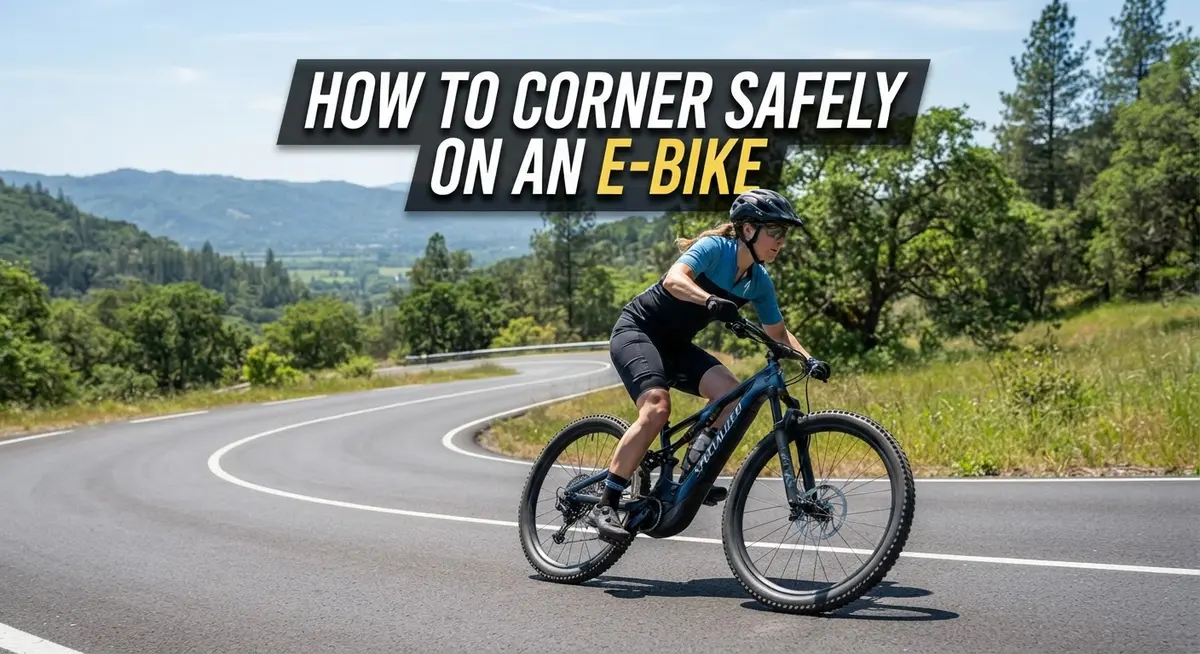
How to Corner Safely on an E-Bike: A Complete Rider’s Guide
Cornering on an e-bike feels different than a regular bike. The extra weight and instant torque can catch you off guard. One wrong move on a turn, and you might lose control fast.
Safety on turns is not something to guess at. E-bikes move quicker and hit higher speeds than normal bikes. This means your body and bike need to work together at every curve.
The good news? You can master safe cornering with a few simple habits. This article walks you through everything you need to know.
We will cover how to look ahead and read the road before you turn. You will learn why slowing down early matters more than braking mid corner.
We will also show you the right way to lean your bike and position your body. From pedal placement to seat height, small tweaks make a big difference.
By the end, you will know how to avoid common mistakes riders make. You will corner with more confidence, control, and safety every time you ride.
In a Nutshell
Cornering safely on an e-bike comes down to a few key habits. Here is a quick summary you can remember before every ride.
-
Look ahead down the road or trail. Your eyes guide your bike, so scan the turn early and spot any hazards.
-
Slow down before the corner, not during it. Brake early and let your speed settle before you lean.
-
Lean the bike under your body. Keep your body upright while the bike tilts into the turn for better grip and control.
-
Keep your pedals level through the turn. This stops pedal strikes and keeps your balance steady.
-
Adjust your power mode. Use a lower setting or ease off the throttle on sharp curves for smoother control.
-
Check your bike before riding. Brakes, tire pressure, lights, and battery all matter for safe turns.
Avoid common mistakes like braking mid-turn, skipping gear, or ignoring traffic rules. Stay alert and avoid distractions like phones or headphones.
Follow these simple steps, and cornering on your e-bike will feel natural, confident, and safe every time.
Why Cornering on an E-Bike Is Different
E-bikes handle differently than regular bicycles because of their extra weight and power. The motor adds mass to your frame, which changes how the bike responds in corners. This means your cornering technique needs to adapt.
The motor’s torque also affects your turn. When you accelerate mid-corner on a regular bike, the rear wheel might slip slightly. On an e-bike, that same acceleration creates more force and can cause loss of traction faster. You need to plan your power input before you enter the turn.
Speed management becomes even more critical with an e-bike. Regular bikes slow down naturally as you climb or fight air resistance. E-bikes maintain speed longer because the motor helps push you forward. This means you can accidentally enter a corner too fast without realizing it. Braking before the turn, not during it, prevents skidding.
The weight distribution also shifts. E-bikes carry battery weight lower on the frame, which changes your center of gravity. This affects how much you can lean safely. A heavier bike needs different body positioning than a lighter one. Your seat height and pedal position matter more on an e-bike to maintain control.
Battery power influences your grip too. Riders often use full throttle on curves without thinking. This jerky acceleration destabilizes the front wheel contact with the ground. Lower power modes give you smoother, more predictable handling through turns.
The key difference is that e-bikes demand more intentional riding. You cannot rely on instinct from regular cycling. Every decision about speed, power, and lean angle needs thought before you enter the corner. Understanding these differences helps you ride safely and confidently on any terrain.
Pre-Ride Checks Before You Hit the Corners
Before you ride your e-bike around corners, spend a few minutes checking your equipment. This simple step prevents problems that could make turning difficult or unsafe.
Start with your brakes. Squeeze both brake levers firmly. They should feel responsive and stop your bike smoothly. If they feel spongy or weak, adjust them before riding. Brakes are your main tool for slowing down before corners, so they must work perfectly.
Check your tire pressure next. Underinflated tires reduce grip on turns. Overinflated tires make your bike feel bouncy and unstable. Use a pump with a pressure gauge to get the right amount of air. Your tires should feel firm but not rock hard when you press them with your thumb.
Inspect your lights and visibility gear. If you ride in low light or traffic, working lights matter greatly. Turn on your headlight and taillight. Make sure they shine brightly. Cornering safely depends partly on other people seeing you.
Test your battery charge. A low battery reduces your motor’s power when you need it most. Corners require precise control, and low power can make that harder. Charge your battery fully before heading out. Check the display to confirm you have enough juice for your route.
Spin your wheels slowly. Look for wobbles or strange sounds. The wheels should turn smoothly without rubbing. If they wobble, your alignment may be off.
Adjust your seat height. Your seat should let you reach the pedals comfortably. You will need to lower it slightly during actual cornering, so make sure it starts at the right position.
These quick checks take only five minutes. They catch problems before they affect your cornering performance. A well maintained e-bike handles turns more predictably and keeps you safer on every ride.
Step-by-Step: How to Approach and Execute a Safe Turn
Approaching a corner safely starts well before you reach it. Scan ahead to identify the turn’s sharpness, surface condition, and any obstacles. Look 20 to 30 feet down the road or trail. This gives you time to plan your entry speed and line.
Brake early and smoothly. Reduce your speed before the turn begins, not during it. Braking mid-turn reduces your traction and can cause your wheels to slip. Squeeze both brake levers gently and evenly to avoid skidding.
As you enter the corner, keep your body centered and relaxed on the saddle. Your shoulders should stay level with your hips. Tension in your arms or upper body limits your bike’s ability to lean smoothly.
Tilt the bike underneath you while keeping your body relatively upright. This technique gives you grip and control. The bike angles into the turn while you remain balanced. Your weight stays centered over the pedals.
Keep your pedals level throughout the entire turn. This prevents your pedal or foot from hitting the ground during the lean. Position your outside pedal down and your inside pedal up for maximum clearance.
Manage your power carefully on the curve. If you’re using throttle control, ease off slightly. A sudden power surge mid-turn can cause the rear wheel to slide or the front wheel to wash out. Let the motor assist smoothly without overwhelming the traction.
Exit with gentle acceleration. Once you’ve passed the apex (the deepest point of the turn), gradually straighten your bike. You can increase power as your wheels point forward again. This smooth exit sets you up safely for the next section ahead.
Practice these steps at low speeds first. Build your confidence before tackling faster or sharper turns.
Body Positioning and Bike Lean Techniques
Your body position makes or breaks your cornering ability on an e-bike. The way you sit, lean, and position your limbs directly affects how much grip you have and how stable you feel through the turn.
Start by keeping your pedals level. This means rotating your cranks so both pedals sit at the same height, roughly parallel to the ground. Level pedals prevent your foot or pedal from hitting the ground during a lean. Your inside leg should be extended slightly while your outside leg stays bent. This balanced position gives you better control.
Next, lower your seat just a bit before you ride. A slightly lower seat lets your body move more freely and lets the bike lean further without your body leaning as much. You stay more centered over the bike, which improves stability. Don’t lower it so much that you lose pedaling efficiency though.
Lean the bike, not your body. This is the key difference. Tilt the frame underneath you while keeping your upper body relatively upright. Your shoulders should stay fairly level. Many riders make the mistake of leaning their whole body into the turn like they’re on a motorcycle. That kills your control on a bicycle.
Keep your weight centered on the saddle during the turn. Don’t shift too far forward or backward. Forward weight reduces your rear tire grip. Backward weight lifts your front wheel. Stay balanced.
Your hands should grip the bars firmly but not tensely. Tight hands make you rigid and slow your reactions. A light, confident grip lets you feel the bike’s feedback better.
Finally, relax your upper body. Tension in your shoulders and arms transfers down to the bike and makes it harder to control. Take a breath before the turn and let your muscles stay loose. This relaxed state lets you react quickly if something unexpected happens mid-corner.
Managing Power and Speed Through Curves
Power management during cornering is critical for e-bike safety. Your motor responds to throttle input and pedal assistance, both of which can destabilize you mid-turn if used incorrectly.
The key principle is simple: reduce power before you enter the curve. Switch to a lower assistance level or ease off the throttle as you approach the turn. This gives you better control over your speed and prevents the motor from pushing you faster than the corner allows.
Once you’re in the turn, avoid accelerating or braking. Both actions shift your weight and reduce tire grip. Your tires need all their traction to hold the lean angle. Adding power or braking mid-turn forces your bike to work against itself, making slips more likely.
Many riders make the mistake of using throttle to “power through” a tight corner. This rarely works. Instead, coast smoothly through the apex. Your motor will still provide some assistance if you have pedal-assist active, but you’re not asking it to do heavy lifting during the critical moment.
After you pass the deepest point of the turn, you can gradually increase power again. This gentle acceleration helps straighten your bike and builds momentum for the next section. Make the transition smooth and gradual.
On sharp curves, consider dropping to the lowest assistance mode entirely. This gives you the most precise control. You’re not fighting against motor power while trying to manage lean angle and speed.
Weather and surface conditions matter too. Wet or loose surfaces reduce grip, so reduce power even more than you would on dry pavement. Your tires are already working harder to maintain traction.
Practice power management at low speeds first. You’ll develop a feel for how your specific e-bike responds. Every motor behaves slightly differently, so hands-on experience in safe conditions builds your confidence and skill.
Common Cornering Mistakes and How to Avoid Them
Many riders make mistakes that put them at risk when cornering on an e-bike. Understanding these errors helps you stay safe and confident on every turn.
Braking or accelerating mid-turn is one of the biggest problems. Your tires lose grip when you change speed during a curve. The bike becomes unstable, and you might skid or slip. Always finish your braking before you enter the corner, not during it.
Neglecting safety gear is another common error. Riders often skip helmets or protective equipment on short trips. One mistake in a corner can happen fast, and gear protects you when crashes occur. Wear your helmet and consider gloves every single time you ride.
Ignoring local traffic rules creates dangerous situations. Stop signs, traffic lights, and road markings exist for a reason. Cornering safely means following the same rules as cars and pedestrians. Ride with traffic direction and obey all signals.
Skipping proper training is a serious mistake. Many e-bike riders assume they can corner like regular cyclists. E-bikes weigh more and have different handling characteristics. Take time to learn the correct technique at low speeds before tackling sharp turns.
Distracted riding leads to poor cornering decisions. Phones, headphones, and daydreaming prevent you from seeing hazards ahead. You need to look down the road and spot the corner before you reach it. Stay alert and keep your attention on the path.
Poor pre-ride maintenance causes failures during turns. Worn brakes won’t stop you effectively. Low tire pressure reduces grip. Dead batteries remove power assistance when you need it most. Check your brakes, tires, lights, and battery before every ride.
Phone use while riding deserves special mention. Texting or checking maps while moving makes you unable to react to curves or obstacles. Stop and check your phone safely off the bike.
These mistakes are easy to fix once you recognize them. Focus on one improvement at a time, and your cornering skills will improve quickly.
Adapting to Different Terrain and Weather Conditions
Different surfaces and weather create unique challenges when you corner on an e-bike. You need to adjust your technique based on what’s beneath your tires and what the sky brings.
Wet pavement reduces grip significantly. Rain makes tires slip more easily, so you must slow down even more before entering a turn. Your braking distance increases, which means you need to start slowing earlier. Reduce your power assistance to the lowest setting on slick roads. Avoid sudden movements with the handlebars. Smooth, gradual inputs keep your bike stable when traction is limited.
Gravel and loose surfaces demand extra caution. These terrains shift under your wheels, making it harder to predict how your bike will respond mid-turn. Approach corners at slower speeds than you would on pavement. Keep your body relaxed and centered. Tense muscles make small corrections impossible when the ground moves beneath you. Lower your seat a touch more to improve your balance on unstable ground.
Sand and dirt require different weight distribution. Your front tire can wash out quickly if you lean too hard. Shift more weight toward the rear wheel by moving back on the saddle slightly. Use lighter pressure on the handlebars. Let the bike find its own line rather than forcing it through the turn.
Cold weather affects both you and your bike. Your tires grip less effectively in freezing temperatures. Brake earlier and corner more slowly. Wet leaves or frost on the ground create hazard zones. Stay extra alert for these slippery patches.
Uphill and downhill corners need special attention. Uphill turns slow you naturally, but downhill turns require more aggressive braking beforehand. Always plan your speed well before entering any turn on a slope.
Practice on each surface type at low speeds first. This builds your confidence and helps you understand how your specific e-bike behaves in varied conditions.
Final Thoughts
Cornering safely on an e-bike comes down to one simple idea. You must slow down, look ahead, and stay in control at every turn.
These skills are not hard to learn. They just need practice and attention.
Looking ahead helps your brain plan the turn before your bike gets there. This gives you time to react to anything unexpected.
Always slow your speed before you enter a corner, not during it. This keeps your tires gripping the road and your bike stable.
Lean your bike underneath your body instead of leaning your whole body into the turn. This small change gives you much better balance and control.
Keep your pedals level as you go through a turn. This avoids pedal strikes and keeps your weight centered.
A slightly lower seat can also help. It lets you shift your weight and lean the bike more easily when needed.
Before every ride, check your brakes, tires, lights, and battery. A quick check can prevent problems you do not want to face mid corner.
Stay alert on every ride. Avoid phones, headphones, or anything that takes your focus off the road.
Follow traffic rules and ride in the correct direction. This keeps you predictable to others around you and reduces risk.
E-bikes are fun and fast, but cornering demands respect. Speed and power must be managed carefully every time you turn.
The more you practice these steps, the more natural they become. Soon, safe cornering will feel like second nature.
Take these lessons seriously, and your rides will become smoother and safer. Confidence on corners comes from preparation, not luck.
Ride smart, stay alert, and enjoy every turn you take.
Frequently Asked Questions
Should I use pedal assist or throttle when cornering?
Reduce your power mode before entering a turn. Lower assist levels give you better control and faster response times. If your e-bike has a throttle, ease off completely during the corner itself. Power management helps your tires grip the road better and keeps your weight balanced.
What’s the best body position for tight corners?
Keep your pedals level and parallel to the ground. This prevents your pedal from hitting the pavement mid-turn. Lower your seat slightly so you can lean the bike more without your body tilting as far. Your weight should stay centered over the bike frame.
How do I know if I’m going too fast into a corner?
If you feel your tires slipping or your bike sliding sideways, you entered too fast. You should always be able to brake smoothly and stay upright if something unexpected happens. Test yourself on empty parking lots first. Speed feels different on an e-bike because the motor adds weight and momentum.
Why do my brakes feel less responsive in wet conditions?
Wet rims and pads reduce stopping power significantly. You need to brake earlier and with more gradual pressure. Disc brakes perform better in rain than rim brakes. Check your brake pads regularly and replace them when they wear down.
Can I corner safely with flat pedals?
Yes, but clipless pedals give you more control because your feet stay connected to the bike. Flat pedals let your feet slip off if the bike shifts suddenly. Either option works if you maintain proper body position and brake before the turn, not during it.

Philips is the founder and lead writer at GearheadGarageFinds.com, a passionate automobile enthusiast who has spent years testing, comparing, and reviewing auto products and accessories to help fellow gearheads make smarter buying decisions. When he’s not under the hood or behind the keyboard, you’ll find him exploring the latest automotive innovations and hunting for the best garage finds on the market.