Winter E-Bike Maintenance Guide: How to Keep Your Bike Running Safely All Season
Winter rides can feel magical. Cold air, quiet streets, and fresh snow make every trip exciting.
But cold weather puts extra stress on your electric bike. Salt, slush, and low temperatures wear down parts faster than summer rides do.
New owners often ask, “Does winter riding really need extra maintenance?” The short answer is yes. A little care goes a long way.
Many riders also wonder if road salt and calcium affect an ebike. They do. Salty mud and snow left on the frame can cause damage over time.
This guide shows you how to keep your bike safe and ready. You will learn how to check the Big 3: tires, brakes, and chain.
You will also learn how to protect the battery and store your bike indoors. We will explain why a quick wipe down after each ride matters.
We will cover common mistakes too, like leaving the battery outside in the cold for long periods.
Let’s get your bike ready for winter.
In a Nutshell
-
Follow a regular maintenance schedule. Check your ebike often during the cold months. Small problems grow fast in winter, so catch them early.
-
Check the “Big 3” before every ride. Look at your tires, brakes, and chain. Keep the tires properly inflated so they grip cold, slick roads.
-
Protect the battery. Charge it fully before you store it for winter. Keep it topped off when possible, and keep it out of the cold for long periods.
-
Clean the bike after each ride. Wipe away salty mud and snow with a cloth. Wash the bike when it gets dirty. Then clean and lubricate the chain.
-
Store the ebike indoors. A dry, sheltered spot protects the frame, the parts, and the battery. It also helps the bike start strong on the next ride.
-
Ride with extra care. Check the weather before you leave. Start slow so the components warm up gradually. Increase your following distance by 50% to give yourself more time to stop.
Why Winter Demands Extra E-Bike Care
Cold weather changes how every part of an ebike behaves. Many riders notice this first with the battery. Battery cells slow their chemical activity in low temperatures, so range can drop noticeably on frosty mornings.
Cold air also affects tire pressure. As temperatures fall, the air inside the tires contracts, so a tire that felt firm in autumn may feel soft in January. Low pressure makes pedaling harder and raises the risk of pinch flats on bumpy roads.
Moisture creates another challenge. Snow, slush, and puddles can reach the motor housing, the charging port, and the display connectors. Over time, water can invite rust and corrosion, which may cause odd electrical issues.
Lubricants react to the cold too. Chain grease thickens in freezing weather, which makes the drivetrain stiff and noisy. Thick grease also traps grit more easily, so the chain wears out faster than expected.
Brakes need extra attention. Wet rims and worn pads can lose grip, especially on icy hills. Stopping distances grow in winter, so leave more space between you and the car ahead.
Sudden temperature changes add stress. Bringing a cold bike into a warm room can cause condensation inside parts. Letting the bike adjust slowly helps prevent this problem and keeps the electronics dry.
Winter also brings shorter days and gray skies. Drivers may struggle to see you in dim light. Good lights and bright clothing become essential safety tools during these months.
Understanding these changes helps you plan. Start slow so the drivetrain and motor can warm up gradually. A little preparation keeps your ebike reliable and your rides enjoyable all season long.
Checking the Big 3: Tires, Brakes, and Chain
Tires are the first thing to check. They touch the road every time you ride. Press your thumb into the tread and look for cracks, bulges, or flat spots. Compare the tire pressure to the range printed on the sidewall.
Small stones or glass can get stuck in the tread. Pull them out before they work deeper into the rubber. Worn tread gives less grip on wet pavement, so replace tires once the pattern looks smooth.
Next, test your brakes. Squeeze each lever slowly while the bike stands still. A firm lever should stop the wheel well before it reaches the grip. A soft or spongy lever can point to air in a hydraulic line or worn pads.
Look at the brake pads through the caliper. Many pads have a wear groove that shows when they need replacing. Thin pads lose stopping power fast on wet or icy roads.
Check the disc rotors for bends and oil. Oily rotors can cause squealing and weak braking. Wipe them with a clean cloth and a little rubbing alcohol.
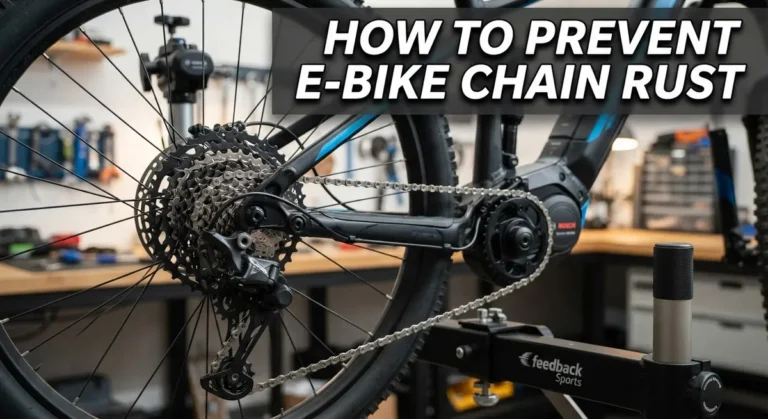
Finally, inspect the chain. Look for rust, dirt, and stiff links. Shift through every gear and listen for skipping. Skipping often means the chain or cassette is worn.
A chain checker measures stretch and shows when replacement is due. After cleaning, apply a light lubricant made for wet weather. Wipe off the extra oil so dirt does not stick.
Make this check a habit. A quick look before each ride takes only a few minutes. Small issues are easier and cheaper to fix when you catch them early.
Protecting Your Battery in Cold Weather
Riders often notice less power on frosty mornings. This happens because the chemistry inside the cells moves more slowly in the cold. The battery is not broken. It simply needs a little extra care.
Bring the battery indoors before a ride. Keep it in a warm room for about an hour before you head out. This simple step helps the cells deliver more power from the first pedal stroke.
Never charge a frozen battery. Charging in freezing conditions can damage the cells over time. Let the battery warm to room temperature first, then plug it in.
Remove the battery when your model allows it. A removable pack is easy to carry into a heated home. A built in battery stays cold on the frame, so bring the whole bike inside when possible.
Store the battery at a steady charge level. Cold storage drains power slowly over several weeks. Check the charge every month and top it up when the level drops low.
Watch the display closely during winter rides. Cold packs can show sudden drops in charge. Plan shorter routes or extra stops so you never run out far from home.
Use only the charger that came with your bike. Wait until the battery and plug feel dry before connecting them. Moisture can cause short circuits and corrosion.
Protecting the battery takes little effort. A few simple habits keep your ride reliable all winter long. Small choices make a big difference.
How to Clean and Lubricate Your Bike After Winter Rides
Start with a gentle rinse. Use a garden hose on a low setting or a bucket of warm water. Keep high pressure sprays away from the motor, the display, and the battery seals.
Use mild soap and a soft brush. Pick a gentle bike soap or dish soap mixed with water. Scrub the frame, fenders, and wheel rims with a soft brush. Rinse the soap off fully.
Clean the drivetrain separately. Grime collects around the chain, cassette, and chainrings. Use a stiff brush to loosen dirt in these areas. Then wipe each link with a rag.
Degrease the chain before lubricating. Old lube mixes with dirt and forms a gritty paste. Apply a degreaser to a rag and run the chain through it.
Dry every part thoroughly. Water left in joints invites rust. Use a dry cloth on the frame, bolts, and cable housing.
Lubricate the chain lightly. Hold the lube bottle and apply one small drop to each roller while you slowly pedal backward. Less is more. Too much lube attracts dirt.
Wipe off the excess. Run a clean rag over the chain after a few minutes. This removes extra oil that could drip onto the brake pads or rotors.
Protect the brakes and battery contacts. Keep lube away from brake rotors and pads, since oil reduces stopping power. Wipe battery contacts with a dry cloth. Clean contacts help the battery connect well.
Make this routine a habit. A clean ebike lasts longer and rides smoothly.
Dealing with Road Salt, Calcium, and Slush
Winter roads often look clean, but they hide a real threat. Cities spread road salt and calcium chloride to melt ice. Slush carries both chemicals onto your electric bike every time you ride.
Salt acts like a sponge for moisture. It pulls water into tiny gaps and speeds up rust. Calcium is even stickier. It clings to paint, cables, and bolts, then dries into a crusty white film.
Slush is the bigger hidden problem. It splashes up from the road and soaks the underside of the frame. It also packs into the motor area, the brake caliper, and the gaps around the battery.
Check the hidden spots first. Look under the down tube, behind the crank, and around the motor casing. Scan for white residue and damp grit after every ride. Early signs are easy to miss.
Fenders make a big difference. They block spray from the rear wheel and keep salty water off the frame. Mudguards are a simple way to protect your ride.
Next, watch for crusty white buildup. Calcium residue can hide small scratches, so look closely after each trip. Quick checks prevent big repairs.
Keep the charging port dry. Salt residue can corrode the metal contacts. Dry the port with a soft cloth and close the cover before you plug in the charger.
Plan rides around fresh salt treatments. Brine stays slick and wet on the road for hours. If you can, wait until traffic and rain have washed the roads clear.
Finally, check bolts monthly. Salt can loosen threads and cause rust. A quick check keeps your electric bike safe all season.
Safe Winter Riding Habits and Pre-Ride Checks
Winter riding asks more from your bike and from you. Safe habits make every trip calmer and more predictable. Start with a few simple routines before each ride.
Start slow every time. Cold parts need a few minutes to warm up.
Give yourself more room. Increase your following distance by 50 percent, since wet and icy surfaces take longer to stop on. Braking early is always better than braking hard.
Check the weather before you leave. If conditions look dangerous, choose another day or take a shorter route.
Now run through your checks before each ride. Start with the Big 3: tires, brakes, and chain. Each one plays a key role in staying in control.
Tires come first. Press on each tire and confirm it feels firm. Cold air lowers pressure, so check it often.
Next, test the brakes. Squeeze each lever and feel for good resistance. A spongy feel means you need service first.
Then inspect the chain. Shift through the gears and watch for skipping.
Check the lights too. Turn on front and rear lights every time, even for short trips.
Tug the handlebars and seat post to confirm the bolts are tight.
Dress for visibility. Bright colors and reflective strips help drivers spot you.
Plan your route with care. Choose main roads that get plowed quickly. Tell someone your route and expected return time.
Stay alert during every ride. Watch for black ice near bridges and parked cars opening doors. Slow down before corners and turns.
Keep a short checklist on your phone or garage wall. Repeating it builds a habit that protects you on icy mornings.
Build these habits into your routine. Safe riding in winter depends on preparation, patience, and steady attention.
Storing Your E-Bike Indoors for the Winter
Storing your electric bike indoors protects it from cold, wet, and windy weather all winter. A dry, sheltered spot keeps metal parts from rusting and helps the battery last longer.
Charge the battery before you store it. Charge the battery to about 50 to 60 percent before you put the bike away. Do not store it completely empty or fully charged for long periods.
Cold rooms can still harm a battery. Choose a space that stays between 40 and 70 degrees Fahrenheit. Avoid unheated sheds, balconies, and cars parked in freezing temperatures.
Check the battery level every four to six weeks. If the charge drops, plug it in for a short time. This simple habit prevents deep discharge, which can shorten battery life.
Cold air causes tires to lose pressure over the winter. Inflate the tires to the pressure printed on the sidewall. A quick check each month keeps them firm and ready for spring.
Hang the bike on a wall mount or place it on a stand. This takes weight off the tires and prevents flat spots. If you lean the bike against a wall, place a towel or foam pad underneath.
Make sure the bike is completely dry. Moisture trapped in the frame or drivetrain can lead to rust. Wipe away any remaining water before you move the bike indoors.
Cover the bike with a breathable cloth. Plastic sheets trap condensation, so skip them. A breathable cover keeps dust away while still allowing air to move around the frame.
Turn the display and controller off fully. This stops a slow battery drain. Finally, write down the storage date and charge level so you know when to check on the bike next.
Common Winter Maintenance Mistakes to Avoid
Winter is hard on every electric bike. Many riders make small mistakes that add up over the season. Here are the most common ones and how to avoid them.
Skipping a regular maintenance schedule is the first mistake. Many riders wait until something breaks. A simple routine keeps small issues from turning into costly repairs. Set a reminder every two weeks to check the basics.
Ignoring the brakes and tires causes trouble fast. Cold weather reduces grip, and worn brake pads lose stopping power sooner. Look for thin pads, small cracks, and uneven tread before each ride.
Leaving the battery in the cold for long periods drains its power quickly. Bring the battery inside when you stop for a long time. Cold batteries also lose range, so plan shorter trips on freezing days.
Waiting to clean off mud and snow lets damage build up. Dirt holds moisture against metal parts, especially near the bottom bracket and the chain. Wipe the frame and drivetrain after each ride with a soft cloth.
Forgetting to check the weather is another common slip. Ice and wet leaves make braking harder than usual. Check the forecast first, and ride only when conditions feel safe.
Assuming a new bike needs no extra care surprises many owners. Winter riding asks more from every part of the bike. Extra checks now help you avoid surprises later.
Avoid these mistakes and your electric bike will ride smoothly all season. A little attention each week goes a long way.
Final Thoughts
Winter does not have to stop your rides. With a little care, your electric bike can run well all season long.
Winter riding does need extra maintenance. Cold air, wet roads, and salt put more stress on every part. A steady routine keeps small problems from growing.
Road salt and calcium do affect electric bikes. They cling to metal parts and speed up rust. Wipe the frame, chain, and brakes after every wet ride.
Focus on the Big 3 first. Tires, brakes, and chain carry most of the safety load. Check them often and fix any issue right away.
Protect the battery as well. Keep it out of the cold for long periods and top it off when you can. Store it indoors with a healthy charge.
Your habits matter just as much. Start slow so parts warm up gradually. Leave extra space between you and other riders or cars.
Pick one day each month for a deeper check. Test bolts, tire pressure, and battery level. Write the date down so you stay on track.
New owners often ask if all this effort is worth it. It is. A few minutes of care saves you from major repairs later.
Clean, lubricate, inspect, and store your bike with care. These four steps cover most winter needs.
Spend a few minutes on upkeep after each ride. You will enjoy safer trips, a healthier battery, and a bike that is ready when spring arrives.
Frequently Asked Questions
Should I warm up my electric bike before a winter ride?
Yes, you should start slow. Cold parts move more stiffly, so they need time to warm up. Ride gently for the first few minutes and avoid hard acceleration.
Smooth starts help the drivetrain and brakes settle. Your bike will respond better once it reaches normal temperature.
How much extra space should I leave around me when riding?
Plan to increase your following distance by about 50 percent. Wet roads and ice take longer to stop on.
Extra space gives you time to brake gently. It also helps you avoid sudden stops that can cause a slide.
Should I check the weather before every winter ride?
Yes, always check conditions first. Ice, slush, and heavy snow change how your bike handles.
Ride only when the route looks safe. If conditions get worse during your trip, turn back early.
How do I keep the chain working well in winter?
Clean the chain first to remove grit and road salt. Then apply a fresh lubricant made for bikes.
Wipe off any extra oil so dirt does not stick to the chain. Repeat this step after wet or muddy rides.

Philips is the founder and lead writer at GearheadGarageFinds.com, a passionate automobile enthusiast who has spent years testing, comparing, and reviewing auto products and accessories to help fellow gearheads make smarter buying decisions. When he’s not under the hood or behind the keyboard, you’ll find him exploring the latest automotive innovations and hunting for the best garage finds on the market.