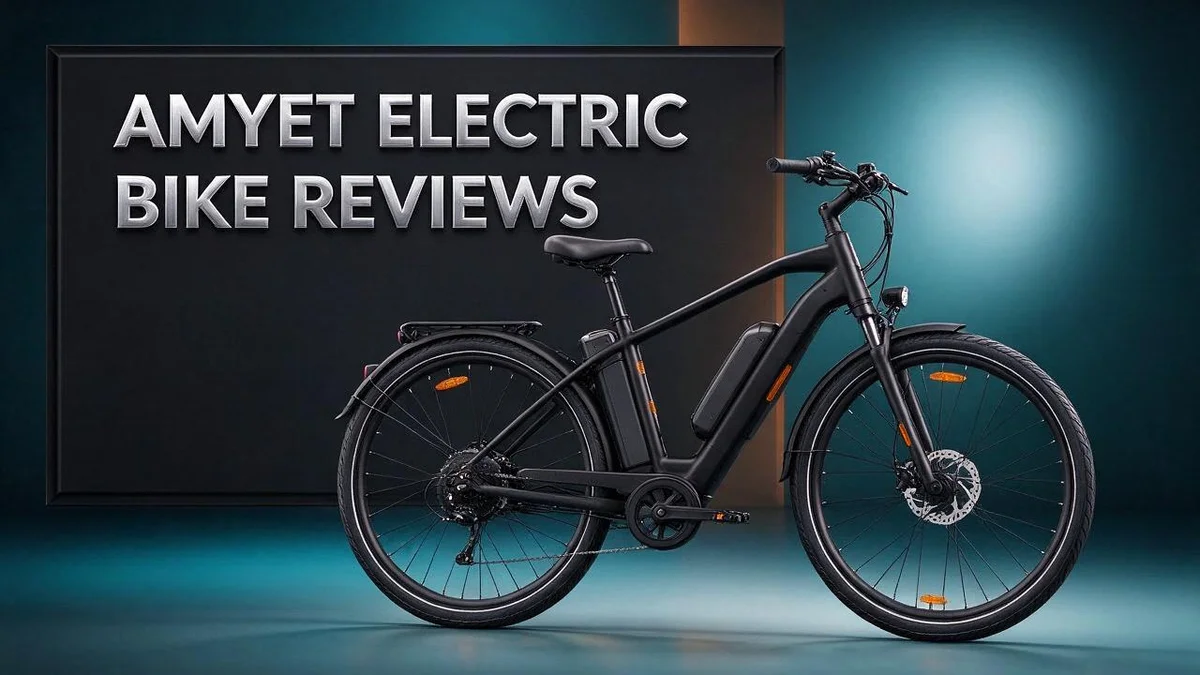
Amyet Electric Bike Review: S8, EB26 and G60 Compared for Power, Comfort and Durability
Looking for a fun new ride? Amyet electric bikes have caught the eye of many riders. Their lineup includes the S8 AWD, EB26, and G60.
Riders often praise the powerful, fast performance. The S8 AWD reportedly uses dual 1000W motors and a 25Ah battery.
Fat tires help make the ride comfortable. Many owners also mention strong hill climbing. One G60 owner said it held up well to heavy use over six months.
Some reviewers find these bikes heavy and bulky. Keep reading to see how Amyet compares with top brands like Aventon, Rad Power, and Specialized.
In a Nutshell
-
Strong hill climbing: Reviewers say the S8 handles steep hills with ease. This makes it a useful pick for hilly neighborhoods and longer climbs.
-
Dual motor setup: One S8 review mentions dual 1000W motors paired with a 25Ah battery. Another review lists a 750W motor, so check the exact model before you buy.
-
Offroad frame design: The EB26 pairs fat tires with a beefy motor. Its frame suits riders who love trails and rough paths.
-
Tough daily use: A G60 owner rode the bike through six months of heavy use. It held up well over that time.
-
Clear buying tip: Each model fits a different riding style. Match the S8, EB26, or G60 to your daily routes for the best overall result.
Motor and Power Performance

- ⚡【POWERFUL 1000W MOTOR & 28MPH TOP SPEED】Powered by a 1000W (Peak 1500W) high-speed brushless motor, the...
- 🔋【48V 20Ah Removable Battery & 40–65 Mile Range】Equipped with a high-capacity 48V 20Ah (960Wh...
Last update on 2026-11-25 / Affiliate links / Images from Amazon Product Advertising API
Motor power shapes how a bike feels on every ride. Amyet models come with different motor setups, so the right choice depends on how you plan to ride.
Some reviews of the S8 mention a 750W motor, while others describe a larger dual setup. This difference matters. Check the exact motor specs on the product page before you decide.
Think of wattage as the engine size on a bike. A higher number usually means more pull, especially when you leave a stop. It does not tell the whole story, though.
Torque matters too. Torque is the twisting force that gets the wheels moving. A motor with good torque feels quick from a standstill, which helps in busy traffic.
Battery capacity affects power over time. A bigger battery can support steady output for longer trips. Motor strength and battery size work as a team. If one part is weak, the whole ride feels limited.
Riders who commute on flat streets may not need the strongest setup. They may prefer a calmer motor that saves battery. Riders who face long climbs or rough trails should look for more torque and a larger battery.
Pedal assist is another factor to consider. Many electric bikes blend motor help with your own pedaling. This mode can stretch your range and make exercise feel natural. A throttle gives instant power without pedaling, which many people enjoy for quick starts.
Extra weight also changes how power feels. A heavier bike needs more energy to speed up and slow down. A strong motor helps the bike keep its pace on steep sections.
A short test ride helps you judge the motor. Try a loop with hills and stops. Notice how smoothly the motor responds when you twist the throttle or start pedaling. Smooth power control is key for new riders.
Finally, match the motor to your goals. Pick a setup that feels fun on your usual route. A motor that fits your daily riding style will bring the most enjoyment over time.
Ride Comfort and Fat Tires
Comfort matters more than most riders expect. A bike that feels good on the first ride often becomes the one you reach for every day.
Wide tires do more than look bold. They spread your weight over a larger contact patch, so bumps and cracks feel softer under you. This makes rough pavement, gravel paths, and grass easier to enjoy.
Tire pressure also changes the feel. Lower pressure gives a plusher ride, while higher pressure feels quicker on smooth roads. Check the rating printed on the tire sidewall before you adjust anything.
Your riding position plays a big role, too. An upright posture keeps your back and shoulders relaxed. Before you ride, set the seat so your knee bends slightly at the bottom of each pedal stroke.
Terrain changes the answer. Soft trails and sand reward wide tires with extra grip. Smooth bike lanes may feel just as good on a narrower setup, so think about where you ride most often.
Suspension is another piece of the comfort puzzle. Some riders add a suspension seat post or a front fork for rough roads. Ask the seller which comfort features come with your chosen model.
Try a longer test ride whenever you can. Ride for at least ten minutes at a speed you plan to use often. Pay attention to pressure in your hands, wrists, and seat area. Numbness or soreness is a clear sign that the setup needs changes.
Comfort also depends on your body. Taller riders may need a longer frame, while shorter riders may need a lower saddle. Small changes can make a big difference on longer trips.
Finally, think about how you will use the bike each week. A comfortable ride on weekends may feel different during daily errands. Choose the setup that keeps you happy mile after mile.
Frame Design and Weight
The frame sets the foundation for every ride. A solid frame keeps the bike steady and keeps you in control.
Frame shape matters more than many riders expect. Check the standover height before you buy. Stand over the frame with both feet flat on the ground.
Step through frames make mounting easier. Riders with shorter legs or stiff hips often prefer this style. Ask the seller which frame style each Amyet model uses.
Weight changes daily life. The bike’s weight affects more than the ride. It also affects how you lift it onto a car rack, carry it up stairs, or park it in a small hallway.
Think about where you will store the bike. A heavy frame can feel hard to move in a tight garage. Lift the bike once in the store if you can.
Weight also shapes handling. A heavier frame often feels steady at speed but slower in tight turns. Lighter frames usually feel quicker when you start from a stop.
Off road riding puts extra stress on the frame. The EB26 is suited to off road riding, so its frame must handle bumps and rough ground. Look closely at the welds and mounting points.
A good fit keeps you comfortable. The right size protects your knees and keeps your back straight. Compare the size chart with your height and inseam.
Sit on the bike while it rests on the stand. Reach the handlebars and brakes with ease. A natural reach makes every ride feel more enjoyable.
Frame design plays a key role in your choice. Compare shapes, sizes, and weight before you commit. Your body and your daily routine should guide the final decision.
Top 3 Alternatives
If you want other places to read about electric bikes, these three publications are a great start. Each one offers helpful reviews and fresh news.
Bicycling Magazine

- Hardcover Book

Last update on 2026-11-25 / Affiliate links / Images from Amazon Product Advertising API
Bicycling Magazine has covered cycling for many years. Its team tests electric bikes on real trails and city streets. You can find detailed ride reviews and clear buying guides. It is a good pick if you want practical advice for everyday riders.
Cycling Weekly

- Amazon Kindle Edition
Last update on 2026-11-25 / Affiliate links / Images from Amazon Product Advertising API
Cycling Weekly is a UK favorite for cycling news and product tests. The editors review electric models with a focus on comfort, handling, and battery range. You will also find weekly updates on new bikes and industry trends. It works well for readers who like fast, easy-to-scan articles.
Velo Magazine

Last update on 2026-11-25 / Affiliate links / Images from Amazon Product Advertising API
Velo Magazine focuses on serious riders who want performance details. Its writers explain motor systems, frame design, and component quality in plain language. You can read in-depth features and expert opinions. It suits anyone who wants a deeper look at how electric bikes perform.
Try each site for a while. Then pick the style that fits your riding goals best.
Battery, Range and Charging
Battery size is only part of the story. One S8 AWD review lists a 25Ah battery. Real range depends on several everyday factors, so the number on paper may not match your rides.
Your speed plays a big role in how far you go. Riding at a steady pace usually stretches each charge further than sprinting from every stop. Higher pedal assist levels also drain the pack faster.
Your body weight and cargo matter too. A heavier rider or a loaded rear rack asks more from the battery. Cold weather can also shorten your range, so winter riders should plan shorter trips.
Range claims often assume ideal conditions. Flat roads, light loads, and mild temperatures produce the best numbers. Hills, headwinds, and stop-and-go traffic will reduce your results.
Battery details for every Amyet model are not clear yet. The research does not list battery specs for the EB26 or the G60. Always confirm the capacity with the seller before you buy.
Charging habits keep the battery healthy. Most lithium batteries prefer partial charges over constant full-to-empty cycles. Try to avoid leaving the pack at zero for long stretches.
Check whether the battery removes from the frame. A removable pack makes charging easier at a desk or in a kitchen. It also lets you bring the battery inside on cold nights.
Ask about charge time before you commit. A full charge can take several hours, so overnight charging works well for most riders. Keep the charger close to where you park the bike.
Battery lifespan matters for long ownership. Batteries lose capacity slowly with each charge cycle. Store the battery in a cool, dry place when you skip riding for weeks.
Start with a simple range test. Ride your usual route once and note the battery level at the end. This gives you a realistic estimate for your own life. Then compare that result with any range claim you read online.
Durability and Long-Term Ownership
Durability shows its true value over time. Many riders want a bike that handles daily commutes, weekend trails, and rain without falling apart. Owner feedback gives the best clues.
One G60 owner reported that the bike held up well to heavy use over six months. That kind of real world report matters more than a polished brochure. It shows how the bike handles regular stress.
Heavy use tests every part. Motors, brakes, tires, and cables all wear down with time. The EB26 has a beefy motor and fat tires, which suits rough routes. Heavier bikes also put more load on hubs and bearings, so check each part yourself.
Start with a simple inspection every month. Look at the bolts, brake pads, and chain. Tighten loose parts and replace worn pads before they damage the rotors. Small checks prevent large repairs later.
Fat tires need attention too. Check the sidewalls for cracks and watch the tread wear. Wide tires also collect mud and grit, so rinse them after wet rides. Good tire care protects your ride and keeps handling predictable.
Ask about parts and service before you buy. Find out who handles repairs and where spare parts come from. A bike with easy access to replacement parts stays on the road longer. Ask the seller about warranty terms in writing.
Store the bike well between rides. Keep it dry and out of direct sun. Rain and salt can cause rust on the frame and connectors. A covered spot or a good cover helps a lot.
Keep a simple log. Note the date of each service, tire change, and brake adjustment. A written record helps you spot patterns early. It also makes resale easier later.
Long term ownership rewards patient riders. Treat the bike with care, and it will reward you with years of reliable rides. Good habits matter as much as good hardware.
Pros and Cons
Pros
- Powerful motors deliver fast acceleration for riders who want speed.
- The ride feels fun and lively, according to customer review summaries.
- Fat tires give a comfortable ride over bumps and rough paths.
- The S8 handles steep hills with ease.
- One G60 owner calls it perfectly decent for its class.
Cons
- The S8 motor rating differs between reviews, so check the exact model.
- G60 specs are not clearly listed, which makes comparison harder.
- The bike feels heavy and bulky, so it may not suit every rider.
Who Should Buy It
Some riders will love an Amyet bike more than others. This section helps you see where you fit.
Adventure seekers often enjoy this style most. They want a bike that handles gravel, dirt, and mixed terrain. A bike with extra muscle keeps weekend trips fun.
Commuters with mixed routes can also benefit. If your ride includes city streets and a short trail, the bike adapts well. You may not need a second bike for every errand.
Think about your daily habits before you commit. A short trip to work needs less power than a long loop full of hills. Match the bike to your real routine.
Riders who want a lighter bike should compare options. Brands like Aventon, Rad Power, and Specialized sit in the same market. Check their models side by side before you decide.
New riders should take extra care. A fast bike can feel intense at first, so start in a quiet area. Build your confidence slowly.
Tall riders and those seeking a precise fit should test ride first. Frame size affects comfort and control. Sit on the bike, reach the handlebars, and check the standover height.
Shared households need extra thought. Several people may ride the same bike, so check the seat and handlebar range. Make sure everyone feels safe on it.
Who should skip it? Riders who want a quiet, minimal machine may feel out of place. This bike brings a lively, sporty feel. Choose it when you want that energy.
Cold or wet weather riders should plan ahead. Fenders, lights, and a good rain jacket make rides safer and more comfortable.
Short trips on flat streets may need less bike. A simpler model could cover those rides with less effort.
Ready to ride? Take a test ride at a local shop, then decide if this bike fits your daily life.
Final Verdict
Our overall verdict leans positive. Amyet bikes show strong performance in the reviews we studied. They appeal most to riders who want power and off road fun.
The evidence is not complete, though. Specs vary from one source to another. Some models have no clear numbers at all. That makes a fair side by side comparison harder than it should be.
Think of this bike as a strong candidate, not a sure thing. Read the exact model spec sheet from the seller. Confirm motor size, battery capacity, and frame details in writing.
Compare Amyet against other brands on your shortlist. Aventon, Rad Power, Specialized, Revotron, and LUCKEEP all compete in this space. Put the same questions to each brand so you can judge them fairly.
Ask these questions before you buy: Which model fits my route? Does the frame size match my height? Does the seller offer a clear return policy? Those answers matter more than any single review.
Look for recent owner feedback. Newer reviews show how a model holds up after many months. Focus on riders who share your habits, such as daily commuters or weekend explorers.
Check range and charging time too. The research does not give clear range figures. Ask the seller for real world distance numbers. Then match those numbers to the length of your typical trip.
Balance power with control. A strong motor feels exciting. It can also feel hard to manage for newer riders. Try a short ride at low speed before you open the throttle fully.
Plan for the long haul. Write down your service schedule after purchase. Keep the warranty card and manual in one safe place. Good records make future repairs faster and easier.
The best verdict comes from your own ride. Pick a model that fits your daily needs. Then test it on the terrain you plan to use most. If it feels right on your route, Amyet may be the right choice for you.
Frequently Asked Questions
Which Amyet model suits trail riding best?
The EB26 fits trail riding best. It uses fat tires, a beefy motor, and a frame suited to off road routes. Riders who stay on smooth pavement may not need that extra grip. Match the model to your terrain first.
Does the G60 hold up over time?
One owner said the G60 handled heavy use for six months. That is a positive sign for daily wear. Still, one review is not enough, so read several owner stories before you decide.
How can I compare Amyet with other brands?
Build a simple side by side list. Add Rad Power, Specialized, Revotron, and LUCKEEP to the list. Then check motor power, tire type, and frame design for each bike. Write down the differences so you can see the real trade offs.
What extras should I ask the seller about?
Ask about fenders, lights, and racks. These parts matter for commuting and wet weather trips. Confirm what comes in the box, since some bikes ship with fewer accessories than you expect.
Is a test ride still necessary?
Yes, a test ride shows how the bike feels in real life. Pay attention to balance, handling, and how the seat fits your body. Trust your own feel more than any single review.

Philips is the founder and lead writer at GearheadGarageFinds.com, a passionate automobile enthusiast who has spent years testing, comparing, and reviewing auto products and accessories to help fellow gearheads make smarter buying decisions. When he’s not under the hood or behind the keyboard, you’ll find him exploring the latest automotive innovations and hunting for the best garage finds on the market.