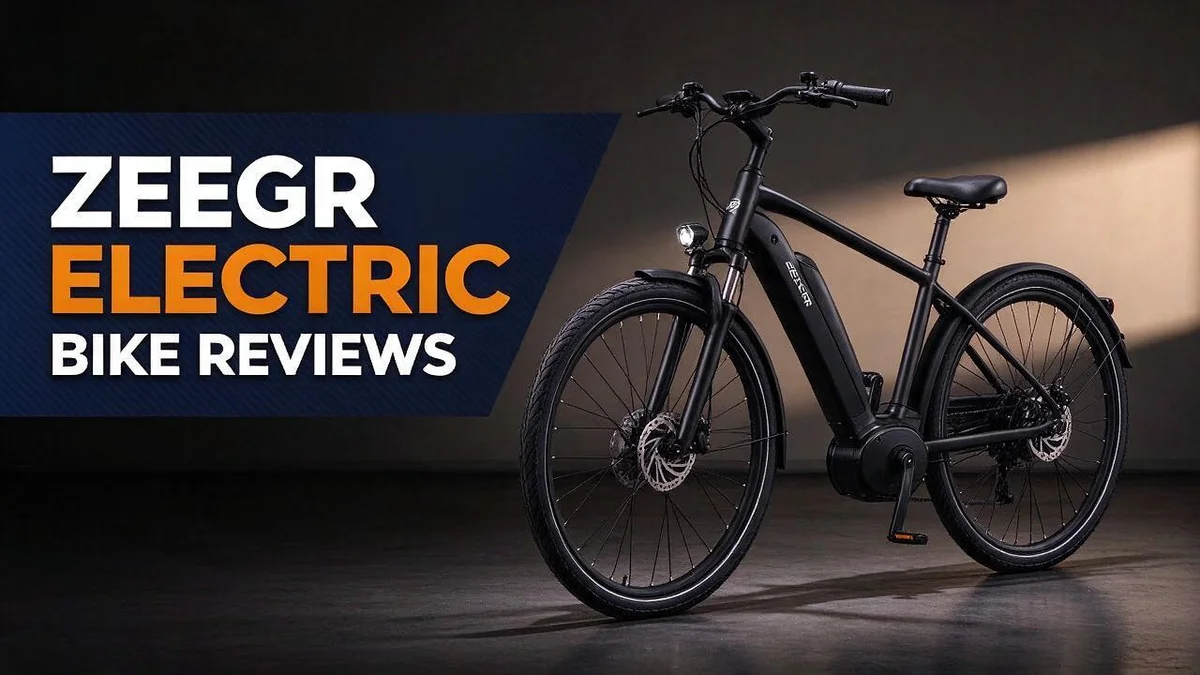
Zeegr Electric Bike Reviews: Zeegr S1 Motor, Comfort, Setup and Honest Verdict
Thinking about a new ride? The Zeegr S1 has caught the eye of many riders. Here is what real owners are saying.
Some riders praise the comfort they gained. They added a suspension seatpost and an adjustable handlebar riser. These were aftermarket upgrades, not factory features.
Not all feedback is positive. Owners report that the manual is hard to follow. The front motor also gives off an audible hum when it runs.
In this guide, we explore the good and the bad. You will also see how it stacks up against popular rivals like Lectric XP4 and Kingbull Verve. Let’s dive in and find out if this bike fits your riding style.
In a Nutshell
-
Documentation is a weak spot. Reports describe the user manual as very poor, so plan on some extra research before your first ride.
-
The front motor hums. Expect an audible hum from the front motor while it runs. Some riders may notice this sound more than others during longer trips.
-
Acceleration feedback is mixed. The research includes an acceleration complaint, but the details are incomplete. Test the bike yourself to see if its pickup suits your riding style.
-
Upgrades can help comfort. Some owners add a suspension seatpost and an adjustable handlebar riser. These are aftermarket parts, not standard factory features, so check compatibility before buying.
-
Other brands are worth a look. Ancheer and Swagtron appear as well known alternatives. For longer range riding, you can also compare the Lectric XP4, Kingbull Verve, and Mokwheel Basalt ST 2.0.
-
Direct comparisons are missing. No reliable source compares the Zeegr S1 side by side with rival models. A test ride with a few options will show you which bike fits you best.
Motor Noise and Acceleration

- 【Peak 8000W Dual Motors – Conquer 45° Hills at 50 MPH】 Tackle steep 45° inclines with zero hesitation...
- 【60V 32Ah Removable Anti-Drop LG Cells Lithium Battery – Up to 120 Miles Range & IPX6 Waterproof】This...
Last update on 2026-11-25 / Affiliate links / Images from Amazon Product Advertising API
Motor noise is one of the first things many riders notice. The front motor makes an audible hum while it runs. This sound is a key detail to check before you buy.
Why the hum matters on daily rides. A steady hum can feel different on a quiet street than on a busy road. Some riders may not mind it at all. Others may find it distracting on long trips.
Try a test ride in a quiet area. Listen closely at low speed and at higher speed. Notice whether the sound stays steady or changes as the bike works harder.
Pay attention to the surroundings. Hills, headwinds, and rough pavement can all make the motor work harder. Road noise may also hide the hum. Ask yourself if you want to hear the bike or the street.
Acceleration feedback is mixed in the available research. One complaint points to acceleration, but the source does not give full details. That gap means you should not assume the bike feels quick or slow.
Look at your own riding style. If you start from a stop often, pay close attention to the first few seconds. Pull away from a light and see how the motor responds. Notice whether the power comes on smoothly or in a sudden jolt.
Keep your expectations realistic. Real world results depend on rider weight, terrain, and battery charge. Two riders may describe the same bike in very different ways. Your own test will tell you more than any summary.
Hearing a hum does not always mean a fault. Many motors make some sound under load. Ask the seller or dealer what sound level is normal for this model.
Motor noise and acceleration both deserve a close look. Take time to listen and feel the bike in action. A short test ride can save you from surprises later.
Comfort and Adjustability
Comfort starts with fit. Every rider has a different body size, so the bike should suit you first. Stand over the frame and check how your body sits before each ride.
Start by setting the saddle height. Your knee should bend slightly at the bottom of each pedal stroke. A saddle that sits too low can tire your legs fast.
Handlebar reach matters just as much. Sit upright with your hands resting on the grips. If your shoulders hunch or your wrists feel strained, the bars may need a change in height or angle.
Check what adjusts before you commit. The research does not confirm which adjustments come from the factory. Look at the seat post and stem to see how much range they offer.
Aftermarket parts may help, but they take time to fit and test. Give each change a few rides before you decide it worked.
Ride length changes the comfort story. A short trip around town feels fine on most setups. Longer rides often reveal pressure points in the seat or grips.
Grip and hand position deserve attention. Long rides can numb your fingers. Shift your hand position every few miles to keep blood flowing. Padded gloves can also reduce fatigue.
Test the bike on the surfaces you ride most. Smooth bike lanes and cracked sidewalks feel very different. Notice how your back and wrists respond after ten minutes.
Keep a simple comfort checklist. Write down your seat height, bar height, and how sore you feel after each ride. Small changes add up quickly. Adjust one thing at a time so you know what helped.
Comfort is personal. What feels perfect for one rider may feel stiff for another. Give yourself a few weeks to settle into the bike before you decide.
Frame, Build and Ride Feel
Start with a close look at the frame. Inspect the welds, the paint, and the bolt heads before any test ride. Clean finishing usually points to careful assembly.
Clear frame specs can be hard to find for this model. That gap means you should ask the seller directly. Request the frame size chart and the full weight rating before you buy.
Build quality shows up in small details. Look at cable routing, the display mount, and the fender fittings. Loose parts or rattles can signal a rushed build.
Ride feel depends on how the frame handles bumps. A stiffer frame sends more road shock into your hands and seat. A more flexible frame can soak up small cracks in the pavement.
Stability matters too. Check how the bike tracks on a flat, empty road at a steady pace. Wobble at low speed can point to a loose axle or headset.
Weight changes the feel fast. A heavier build takes more effort to lift onto a rack or carry up stairs. Think about where you store the bike before you buy.
Test the handling at a slow pace first. Turn tight circles in a parking lot. Brake gently and watch how the front end responds.
Pay attention to the wheels too. Spin each wheel and look for side wobble. Check that the tires sit evenly in the frame.
Frame size matters more than many riders expect. Stand over the frame and check for a few inches of clearance. A frame that fits well feels calmer on every turn.
Take notes after each test ride. Write down any creaks, shifts, or rough spots. Share these notes with the seller or service shop before you commit.
Ride a short loop before you decide. Pick a route with a few bumps and one hill. Note how the frame feels on each surface, then compare your results.
Top 3 Alternatives
Looking for a good alternative? These three electric bikes each serve a different kind of rider.
Lectric XP 3.0

- 【Excellent Motor Performance】This electric bike is equipped with a high-performance 750W rated motor(1500W...
- 【Upgraded Removable Battery】 Powered by a 48V 15Ah removable battery, the ebike can be fully charged in...
Last update on 2026-11-25 / Affiliate links / Images from Amazon Product Advertising API
The Lectric XP 3.0 is a folding electric bike. It folds in seconds.
Riders can store it in a closet, trunk, or small apartment. Its fat tires handle city streets and gravel paths well.
The pedal assist helps on hills. Trips feel easier and less tiring.
Aventon Level.2

- 【1200W Peak Powerful Motor with 3 Riding Modes】Our 750w (Peak 1200W) high-speed brushless rear motor...
- 【LARGE CAPACITY LG CELLS BATTERY】Ebike equips with 47.97V 14.4AH large capacity LG cells battery,which...
Last update on 2026-11-25 / Affiliate links / Images from Amazon Product Advertising API
The Aventon Level.2 is a comfortable commuter bike. It has an upright riding position.
Built-in lights make evening rides safer. The smooth ride works well for daily trips to work or school.
This bike suits riders who want a simple, steady ride. It feels natural from the first trip.
Rad Power RadWagon

- Perfect Rad Power Ebike Compatibility Designed as a seamless Rad Power Ebike Battery 48V 672W replacement...
- Extended Range & High-Efficiency Power With a 48V 14Ah (672Wh) capacity, this battery delivers 55-200km per...
Last update on 2026-11-25 / Affiliate links / Images from Amazon Product Advertising API
The Rad Power RadWagon is a sturdy cargo bike. It has a large rear rack for hauling heavy loads.
Families use it to carry groceries, supplies, or even kids. Its wide tires keep it stable on rough roads.
If you need a bike that carries more, this model stands out. It turns short errands into easy rides.
Owner Documentation and Setup
Good paperwork makes ownership much easier. Many riders rely on the manual before their first ride. For the Zeegr S1, research reports that the owner documentation feels very weak. Plan extra time for setup.
Start by searching for the official user guide online. Look for diagrams, torque values, and battery notes. Save a copy on your phone so you can check it anywhere.
Take photos before you touch anything. Snap pictures of cable routing, brake lines, and wiring near the motor. These photos act as your own visual guide. They help you reconnect parts correctly later.
Write a simple setup checklist. Include tire pressure, brake function, bolt tightness, and light operation. Check each item on day one and again after the first week. Loose parts often appear after a few rides.
Inspect the wiring with care. Look for pinched cables near the front wheel. Make sure every connector clicks into place. A gentle tug test confirms that each plug stays secure.
Watch a few video walkthroughs from other owners. Look for clips that show the first setup step by step. Pause the video and match each step to your bike. This method fills the gaps that the printed guide leaves behind.
Contact the seller if the manual leaves gaps. Ask for a parts list, a wiring diagram, or a service contact. A quick reply can save hours of guesswork. Keep the receipt and warranty card in one folder.
Create a simple service log. Note the date of each adjustment and every torque check. Record your charging habits too. This log helps you spot patterns and gives a technician useful details.
Keep the paperwork close. Store the manual, photos, and log in one digital folder. Update the notes after every service visit or repair. Good records protect your bike over time.
Price and Value for Money
Value comes from what you gain after the ride starts. For the Zeegr S1, the research paints a mixed picture. Owners focus on comfort, guidance, and how the bike performs over time.
Comfort stands out as the main plus point. Some users added a suspension seatpost and an adjustable handlebar riser. These upgrades made longer rides feel easier for them. Remember that these are aftermarket changes, not factory features.
Those extra parts take effort. You need time to fit them and test them properly. Plan for that time before you decide.
The manual is the biggest weak spot. Reviewers describe the documentation as very poor. Without clear steps, setup takes longer and mistakes become more likely.
Search for the official user guide online. Watch video walkthroughs from other owners to fill the gaps.
The front motor also deserves attention. It emits an audible hum when working. Some riders may not mind that sound, while others may find it distracting on quiet streets.
Acceleration is another open question. One complaint appears in the research, but the source cuts off before the details. The full picture stays unclear.
Key specs are missing from the research too. Zeegr also lacks a direct comparison with rivals such as Lectric XP4, Kingbull Verve, and Mokwheel Basalt ST 2.0. Readers should compare these models side by side.
Start with your own riding habits. How far will you travel each week? Which surfaces do you cross most often? Your answers show whether this bike fits your daily routine.
Ownership also shapes the experience over time. A bike that stays easy to service keeps its usefulness longer. Store the manual, photos, and service log in one digital folder so repairs stay simple.
Good planning turns a mixed picture into a clear choice. Weigh the comfort gains against the documentation gaps and the motor noise. That balance tells you whether the Zeegr S1 deserves a place in your garage.
Pros and Cons
Pros
- Owners can add a suspension seatpost to soften bumps.
- An adjustable handlebar riser helps riders find a more upright position.
- Riders can tune the ride posture for longer trips.
- Upgrades can make the bike feel more comfortable for daily use.
Cons
- Motor noise can take away from a quiet ride.
- Power delivery may feel slow to some riders.
- Owners may need outside help to set up the bike correctly.
- No direct comparison with rival models exists yet.
Who Should Buy It
Some riders will find the Zeegr S1 a good fit. Others may want to look elsewhere. Read on to see who fits best.
Riders who enjoy tinkering make the best audience. People who like adjusting parts and learning how a bike works often feel at home here. They treat setup as part of the fun rather than a chore.
Commuters who face rough pavement each day can benefit from the comfort focus. A seat upgrade or a handlebar change may make a long ride feel easier. Testing the ride on a bumpy street helps confirm the fit.
People who love silent rides should think twice. A quiet street makes every hum easier to hear. Those riders may prefer a bike with a calmer motor profile.
Shoppers who want big range should compare first. Lectric XP4 and Kingbull Verve appear in research as long range picks. Zeegr has no direct comparison in the sources, so buyers should weigh the options side by side.
New cyclists may feel stretched by setup tasks. Each adjustment takes time and patience. A calm first week helps newcomers learn the bike without pressure.
Record keepers will feel at ease. People who enjoy organized habits handle upkeep with less stress. Their notes and photos make later repairs smoother.
Weekend explorers may enjoy the upgrade path. A rider who likes to try new parts can slowly build the bike into a personal favorite. Each small change can bring a fresh feel to the ride.
Riders who crave speed should test first. A quick test ride reveals whether the bike meets those hopes. Take time to feel the pickup in person. Trust what you feel on the road.
Riders with a clear goal get the best result. Ask whether comfort, range, or quiet matters most. Your answer points you to the right choice.
Final Verdict
The Zeegr S1 suits owners who enjoy getting their hands dirty. Its best qualities show up after setup, not during the first ride. Expect some work before the bike feels right.
Think about your first few weeks with the bike. You will likely spend time adjusting parts, checking settings, and learning how everything responds. Some people find that process rewarding. Others find it tiring.
Ask yourself three simple questions before you commit. Do you enjoy practical fixes? Can you live with a steady motor sound? Do you need quick acceleration from the first pedal stroke?
A test ride matters more than any written summary. Try a short loop on your usual roads. Pay attention to the motor sound, the pull when you start moving, and how the seat feels after ten minutes.
Bring your own list of questions to a local bike shop. Staff there can often explain setup steps that written guides skip. They may also spot issues that a quick glance would miss. A short visit can save hours of guesswork.
The Zeegr S1 is a strong candidate for a certain rider, not a universal pick. It rewards patience and curiosity. It may frustrate anyone who wants a plug and play machine.
Research gaps mean you should do the comparison yourself. Line up the Zeegr S1 against rivals you already know. Check range, power, weight, and warranty terms in your own region. Then decide which tradeoffs you can accept.
Final thought: the Zeegr S1 deserves a closer look, not an automatic yes. Match the bike to your habits, test it on your own roads, and buy with clear expectations. Your riding style will decide whether it feels like the right choice. Good planning turns uncertainty into confidence.
Frequently Asked Questions
Is the user manual enough to set up the Zeegr S1?
Not for most owners. Reviews describe the documentation as very poor.
Plan on extra help from online videos or a local bike shop.
Do the comfort upgrades come with the bike?
No. Riders added a suspension seatpost and an adjustable handlebar riser on their own.
Ask the seller which parts come in the box before you buy.
Which bikes should I compare with the Zeegr S1?
Start with the brands found in research, such as Ancheer and Swagtron.
For commuting, look at the V80, Vivi Foldable, Jasion Roamer, and Totem. For longer range, check the Lectric XP4, Kingbull Verve, and Mokwheel Basalt ST 2.0.
Where can I find full specs for the Zeegr S1?
Our research did not list the full specs. Check the seller page for motor power, battery size, and weight.
Compare these numbers side by side with your other shortlist bikes.
What should I ask the seller before I buy?
Ask about the warranty and the return process. Ask whether the bike includes any setup help or guides.
Good sellers answer these questions clearly. If the answers feel vague, keep looking.

Philips is the founder and lead writer at GearheadGarageFinds.com, a passionate automobile enthusiast who has spent years testing, comparing, and reviewing auto products and accessories to help fellow gearheads make smarter buying decisions. When he’s not under the hood or behind the keyboard, you’ll find him exploring the latest automotive innovations and hunting for the best garage finds on the market.