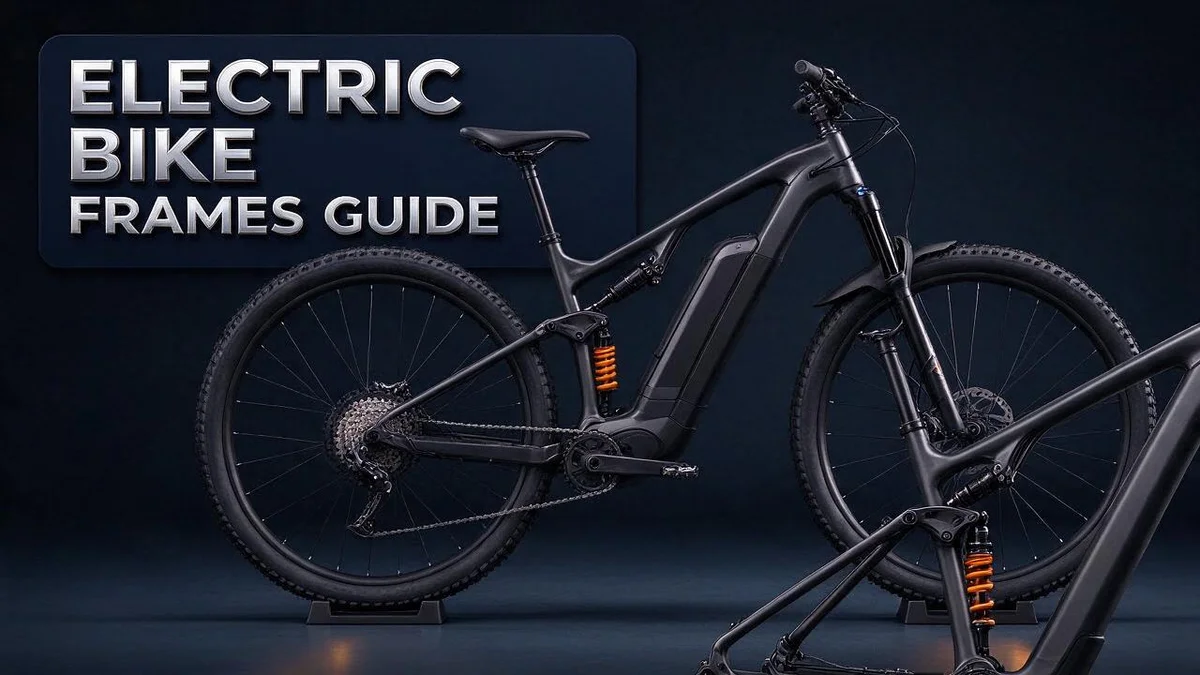
Electric Bike Frames Guide: Types, Materials, Sizing, and First-Ride Basics
Your electric bike frame is the backbone of every ride. It connects the motor, brakes, pedals, and every other part.
A good frame feels comfortable and safe. A poor match can make each trip harder than it should be.
Frames come in many materials, styles, and sizes. The best choice depends on your riding style, your taste, and your body size.
This guide explains the basics in plain language. You will learn about the main frame styles, including the low slung step through design.
We also cover the key buying factors. These include rear hub versus mid drive motors, the EN 15194 standard, and battery range.
Then we move to the practical side. You will see how to attach the front wheel and take your first ride with confidence.
We also point out common mistakes. Many riders strip pedal threads, pick the wrong eBike type, or run the battery completely dead.
Ready to find the right frame? Let’s get started.
In a Nutshell
-
The frame holds everything together. It connects the motor, brakes, and pedals to the rest of your bike. A strong frame makes every ride feel steady and safe.
-
Frames differ in material, style, and size. The best choice depends on your riding style, your personal taste, and your body size. A step through frame has a low design that makes mounting easy.
-
Check the key buying factors. Compare rear hub and mid drive motors. Confirm that the bike meets the EN 15194 standard, and review the battery range.
-
Assembly starts at the front. Align the front fork with the front wheel axle. Then secure the wheel firmly.
-
Your first ride follows a simple routine. Hold both brake levers and stand beside the upright bike. Swing one leg over the frame, sit down, and place your feet on the pedals.
-
Avoid the common mistakes. Decide how you will use the bike before you buy. Grease the pedal threads, check tire inflation, and never run the battery completely dead. Check the bolts on the whole bike often.
What an Electric Bike Frame Does and Why It Matters
The frame does much more than hold the parts in place. It shapes how the bike feels, handles, and carries weight. Every pedal stroke, turn, and brake press passes through the frame, so its design matters a lot.
Think of the frame as the foundation for the motor and battery. Electric bikes weigh more than regular bikes. The frame must carry that extra load without bending or cracking over time.
Strength is only part of the story. The frame also sets the riding position. A taller frame gives more room for longer legs, while a shorter frame suits smaller riders who need easy reach to the handlebars and saddle.
Frame geometry affects stability too. Angles and lengths control how the bike steers at low speed and how it feels on rough roads. A stable frame builds confidence on hills.
Materials play a big role. Aluminum frames are common because they balance weight and strength. Steel frames tend to feel smooth and absorb bumps well, though they often weigh more.
The frame also decides where the motor and battery sit. Good placement keeps the center of gravity low. This makes the ebike easier to balance, especially when you carry groceries or ride with extra cargo.
Why does this matter? A poor frame can lead to frequent repairs, uncomfortable rides, and safety risks. A well matched frame lasts longer and keeps you comfortable mile after mile.
Before you buy, look at how the frame fits your body and your plans. Ask yourself how far you ride, what terrain you cover, and how much weight you carry.
Main Frame Styles: Step-Through and Other Designs
The frame style shapes how you mount, ride, and carry your bike. Two main frame styles stand out. Each one suits a different kind of rider.
Step through frames have a low top tube. You can swing one leg over the frame with ease. They work well for commuters and older riders.
Why does this matter? A low frame makes starting and stopping simpler. It also helps when you wear a dress or a long coat.
Other designs include the diamond frame. This frame has a sloping top tube and a down tube. It creates a stiff, sporty feel on the road.
Diamond frames handle well on hills and fast roads. Many riders choose them for trail rides and longer trips. Their rigid structure gives a direct, responsive feel.
Mid step frames sit between these two styles. They have a lower top tube than a diamond frame. They offer a useful blend of comfort and strength.
Folding frames hinge in the middle. They save space in small homes and on trains. Expect a lighter ride with less rigidity than a standard frame.
Check the standover height first. Stand over the top tube with both feet flat on the ground. You should have a small gap between your body and the frame.
Next, test ride several frames before you decide. Pay attention to reach, posture, and how the bike feels when you brake. A good fit prevents back strain and fatigue.
Frame style also affects where the battery and motor sit. Step through frames often hide the battery in the lower tube area. Diamond frames usually leave more room for larger battery packs.
Choose the style that matches your body and your daily routine.
Frame Materials and How They Affect Ride Feel
Frame material shapes how your bike feels every mile. Each material flexes, vibrates, and responds in its own way. Knowing these differences helps you pick a ride that feels right.
Aluminum alloy is the most common choice. It feels stiff and responsive. Pedal power transfers quickly to the wheel. However, stiff frames can pass along more road buzz.
Steel feels smoother on rough pavement. The tubes flex a little and soak up vibration. Steel frames also tend to be heavier. Many riders like this planted feel on long commutes.
Carbon fiber is very light and can dampen vibration well. Engineers can shape its layers to control stiffness. Carbon frames often cost more. They can also suffer damage from hard impacts.
Titanium resists rust and offers a springy, comfortable ride. It is light for its strength. Titanium is less common, so repair options may be limited.
Weight matters more on an electric bike. The motor and battery already add pounds. A lighter frame can make handling and carrying easier. Check the total weight before you commit.
Stiffness and comfort work against each other. A stiff frame sends power straight to the pedals. A flexible frame feels calmer on bumps. Consider whether you ride fast or ride for comfort.
Frame tube shape also changes ride feel. Thicker tubes usually add stiffness. Thinner walls save weight but may flex more. Look closely at how the tubes connect around the motor mount.
Ask yourself where you ride most. Rough roads favor a more compliant frame. Smooth city streets suit a stiffer build. Test ride a few materials to feel the difference yourself.
Frame Size and Fit for Your Body and Riding Style
Frame size matters just as much as frame style. A bike that fits your body feels safer and easier to control. Many riders skip this step and regret it later.
Start with your height and inseam. Most brands publish size charts based on these numbers. Use the chart as a starting point, not a final answer.
Next, think about reach. Reach describes how far you stretch from the saddle to the handlebars. A shorter reach suits upright riding, while a longer reach suits a more forward lean.
Seat tube length also changes the fit. A frame with a tall seat tube leaves less room to raise the saddle. Check the seat post minimum insertion line before you buy.
Your riding style guides the posture you need. Commuters often want an upright position for better visibility and comfort. Fitness riders usually prefer a slightly leaner stance that helps them pedal with more power.
Electric bikes also weigh more than regular bikes. Pick a size that lets you lift and steer the bike with confidence. A frame that is too large can make low speed handling difficult.
Pay attention to saddle and handlebar adjustments. Good bikes offer enough range to fine tune the fit over time. When your knee stays slightly bent at the bottom of each pedal stroke, the saddle height is close to right.
Finally, never ignore how the bike feels in motion. Ride it for at least ten minutes. Notice whether your wrists, back, or knees feel strain. Small fit issues often grow into big discomfort on longer rides.
How the Frame Works with Motor Types, Battery, and EN 15194
The frame does more than hold the bike together. It connects every major part, including the motor, brakes, and pedals. Each part must sit in the right spot.
Rear hub motors sit in the back wheel. They push the bike forward with steady power. This layout keeps the frame simple, but the rear wheel gets heavier.
Mid drive motors sit near the pedals, in the lower part of the frame. The frame needs a strong mounting point for this motor. Many riders like how the weight stays low and centered.
The battery usually attaches to the down tube or the rear rack area. Frame design decides how easily you can remove it. A removable battery makes charging easier at home or work.
Battery size affects range, but the frame affects how that power feels. A heavy battery placed high can make the bike wobble at low speeds. Balance matters more than you might expect.
EN 15194 is a European standard for electric bike systems. It sets rules for motor power, assistance limits, and safety testing. Compliance with this standard signals a tested and safer design.
The standard also covers the frame and its load. Testing checks how the frame handles stress from the motor and rider weight. A compliant frame gives you a safer ride on daily trips.
Ask the seller for proof of compliance. A clear answer shows that the bike met the test rules. If the answer feels unclear, ask again before you ride.
In short, the motor, battery, and frame must work together. Check each part carefully before your first long trip ahead.
Assembly and First Ride: Fork Alignment, Mounting, and Setup
Assembly starts with the front fork. Many electric bikes arrive partly assembled, so you may need to finish the work yourself.
Check fork alignment first. Place the front wheel between the fork blades. Make sure the axle sits fully in the dropouts. Look at the wheel from the front to confirm it stands straight.
The wheel should sit centered. If the tire rubs one side, the fork may be out of line. Loosen the axle nuts slightly and reposition the wheel.
Tighten the axle to the torque value in the manual. Too loose causes wobble. Too tight can damage bearings or threads. Use a torque wrench when possible.
Mount the pedals correctly. Pedal threads differ on left and right sides. The left pedal often has reverse threading. Mark each pedal with its side before installing.
Start each pedal by hand. Stop if it feels stiff or crooked. Forcing it can strip threads. Grease the threads lightly, then tighten with a pedal wrench.
Set the brakes and check cables. Squeeze each lever and watch the pads. Pads should press the rim or disc evenly. Adjust the cable tension until the lever stops at a comfortable point.
Check the tire pressure before any short ride. Look at the sidewall for the recommended range.
Prepare for the first ride. Charge the battery fully before the first trip. Learn how the throttle responds at low speed. Practice starting, stopping, and turning in an empty area.
Hold both brake levers firmly. Stand beside the upright bike. Swing one leg over the frame, sit down, then place your feet on the pedals.
Maintenance Tips: Bolt Checks, Pedal Threads, Tires, and Battery Care
Bolts loosen over time, so check them often. Vibration from rough roads slowly works bolts free. A quick check every few weeks keeps the bike safe.
Focus on the stem, handlebar clamp, seat post clamp, and rear rack. Look at the motor mounts and battery bracket too. Tighten any bolt that feels loose.
Grease the pedal threads every few months. Grease helps pedals turn out smoothly later. It also stops metal parts from seizing together.
Never force a pedal that feels stuck. Check that the thread starts straight. Cross threading can damage the crank arm quickly.
Inspect tires before every ride. Look for cuts, bulges, and small stones. Remove debris gently so it cannot puncture the tube.
Tread wear matters too. Smooth tread loses grip in wet weather. Replace tires when the tread looks flat or the sidewalls crack.
Heavy electric bikes wear tires faster. Check the sidewall for the maximum pressure rating. Stay below that number at all times.
Battery care helps the battery last longer. Keep it away from extreme heat and freezing cold. Store it in a cool, dry room.
Avoid draining the battery to zero. Recharge when the indicator shows low power. This habit protects the cells over time.
Wipe the battery contacts with a dry cloth each month. Check the charging port for dirt or moisture before plugging in. Clean ports prevent poor connections.
Keep a simple maintenance log. Write down bolt checks, tire pressure, and battery levels. A log shows patterns and reminds you when service is due.
A few minutes each week keeps your electric bike safe and reliable. Small habits prevent big repairs later. Your bike will reward your care.
Common Frame and Setup Mistakes to Avoid
The frame choice shapes almost everything else on your bike, so many problems start before the first ride. Pick a frame that fits your body and your plans.
Start with the frame type. A step through frame has a low slung design, so it suits riders who get on and off often. Other frame styles offer more stiffness for sporty riding.
Body size matters a lot. A frame that is too big or too small makes steering and balance harder. Stand over the top tube and check that you have clearance.
Some riders forget to define how they will use the bike. A daily commuter needs different features than a trail rider. Write down your distance, terrain, and cargo first.
Motor position affects the frame design too. Rear hub motors sit in the back wheel, while mid drive motors sit near the pedals. Match the motor to your riding style so the frame feels balanced.
Watch the load limit. Frames and racks have weight ratings. Adding heavy panniers, a child seat, or extra gear can stress the frame. Check the manual before you load the bike.
Avoid mixing parts that do not fit. A battery mount, rack, or fender designed for another frame can rattle or crack. Confirm compatibility with the manufacturer before you install anything.
Do not ignore small frame cracks or paint bubbles near welds. Look at the joints after rough rides. Stop riding if you spot damage, and have a technician inspect it.
Good setup starts with honest planning. Measure yourself, define your use, and check the frame carefully. These steps prevent problems and make every ride safer and more fun.
Final Thoughts
The frame is the base of every electric bike. It holds the motor, battery, brakes, and pedals together. A good frame choice makes every ride safer and more fun.
Start with your own needs. Think about how you will ride and who will ride the bike. A commuter, a trail rider, and a casual cruiser all need different frames.
Body size matters as much as style. A step through frame often suits riders who want easy mounting. Other frame styles may suit riders who want a sportier feel.
Remember that no single frame is best for everyone. The right choice balances material, style, and size. Take your time, ask questions, and test ride when you can.
Check the key features before you buy. Look at the motor type, such as rear hub or mid drive. Review the battery range and confirm EN 15194 compliance.
Good habits keep the bike in great shape. Check bolts often, grease the pedal threads, and inspect the tires. Charge the battery with care and never run it fully dead.
Practice before you head out on busy roads. Learn how the bike accelerates, brakes, and uses battery power. Hold both brake levers when you mount, then swing your leg over and sit down.
Keep learning as you ride. Each trip teaches you something new about balance, range, and comfort.
Small steps prevent big problems. A careful setup, regular checks, and honest planning protect your bike.
You now have a clear plan. Pick the frame that fits your body and your riding style. Then enjoy every mile with confidence.
Frequently Asked Questions
Which frame type fits my riding style?
A step through frame has a low design that makes mounting easy. Commuters and riders who make short trips often like this style. Riders who want a sportier feel may prefer a diamond shaped frame.
Does the frame material change how the bike feels?
Frames come in materials such as aluminum and steel. Aluminum frames weigh less, which helps when you lift the bike. Steel frames often feel smoother on rough roads.
Where should the motor sit on the frame?
A rear hub motor sits inside the back wheel. A mid drive motor sits near the pedals and works with the gears. Each position changes how the frame is built and how the bike climbs hills.
Why does the EN 15194 standard matter?
EN 15194 is a European standard for electric bike safety and performance. Look for this compliance when you review a bike’s specifications. It shows the bike meets common testing rules for its electric system.
What battery range should I expect?
Battery range depends on rider weight, terrain, assist level, and temperature. Check the range the manufacturer lists, then plan for less on steep hills. Think about your daily route first.

Philips is the founder and lead writer at GearheadGarageFinds.com, a passionate automobile enthusiast who has spent years testing, comparing, and reviewing auto products and accessories to help fellow gearheads make smarter buying decisions. When he’s not under the hood or behind the keyboard, you’ll find him exploring the latest automotive innovations and hunting for the best garage finds on the market.