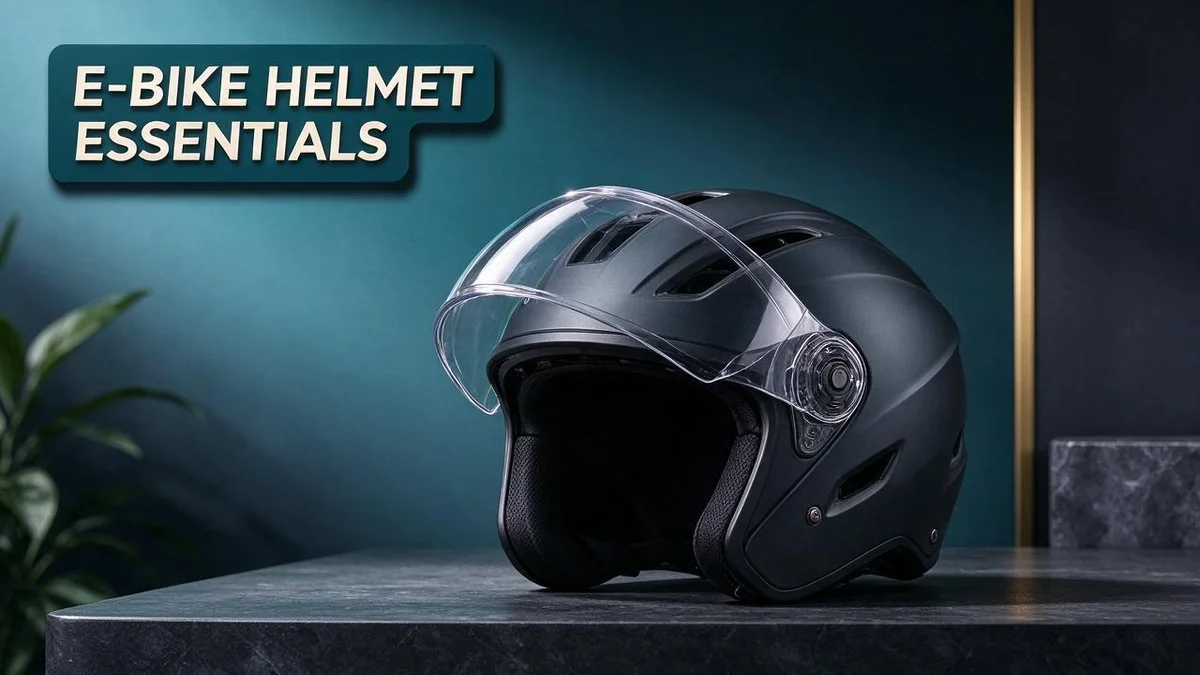
E-Bike Helmet Essentials: How to Choose a Safe Fit, Certification, and Rules
Electric bikes make riding faster, easier, and a lot more fun. They also bring higher speeds, and that makes head protection more important than ever.
A good helmet is the single most important piece of safety gear you can wear. It protects your head when a ride goes wrong.
Not every helmet works the same way, though. Fit, certification, and riding style all matter. A helmet that sits too loose or too tight can fail you.
This guide explains the essentials of ebike helmet safety in simple steps. You will learn how to:
- Match a helmet to your riding style
- Check for CPSC or NTA 8776 certification
- Measure your head and test the fit
- Add visibility features like lights and reflectors
We also cover local helmet laws, which change by region, state, and rider age. Then we look at common mistakes, such as wearing a helmet after a crash.
Ready to ride with confidence? Let’s start with what makes a helmet truly protective.
In a Nutshell
-
Fit comes first. A good helmet feels snug and sits flat on your head. It should never shift when you turn or nod. A helmet that is too tight or too loose protects you less.
-
The hard outer shell does the protecting. Choose a helmet with clear certification, such as CPSC or NTA 8776. Match it to your riding style and speed.
-
Do the yawn check. Measure your head, then buckle the chin strap. Open your mouth wide like a big yawn. The helmet should stay in place.
-
Replace a helmet after a crash. Damage can hide inside the shell. A compromised helmet gives unreliable protection, so retire it.
-
Boost your visibility. Add lights, reflectors, and bright clothing. Gloves help your grip and your safety. Daylight rides make you easier to see.
-
Know your local rules. Helmet laws change by region, state, rider age, and passengers. Check your local regulations and follow the maker’s instructions. Riders over 60 should also check their balance and strength, and avoid overexertion.
Why Helmets Matter More on an E-Bike
Riding an electric bike feels different. The motor adds power on every pull, so you can reach higher speeds than on a regular bicycle. That extra speed changes what your head faces during a fall.
A standard bicycle usually travels at a comfortable pace. An ebike can reach 20 miles per hour without much effort. Higher speed means a harder impact when your head meets the pavement.
The bike also weighs more. Many models carry a battery and motor that add significant pounds. A heavier bike carries more momentum, so a crash can cause a stronger force. Your helmet must absorb that energy.
Motor assistance can also catch riders off guard. A sudden surge when you start from a stop may throw you backward or sideways. Many falls happen in these first seconds, before you find your balance.
Longer trips add risk too. Ebikes encourage people to ride farther and for more hours. Fatigue slows reaction time, and tired riders may misjudge turns, curbs, or traffic. A helmet offers protection even when focus drops.
Shared roads bring more danger. Ebikes mix with cars, buses, pedestrians, and other cyclists. Drivers often underestimate how fast an ebike moves. That gap in judgment makes head protection essential on every ride, even short errands.
Protection also matters for the rider’s future. A head injury can affect memory, speech, and daily life for years. A proper helmet lowers that risk and keeps you active.
Your helmet works only when you wear it every time. Short rides still carry real risk, so buckle up before every single trip.
How a Helmet Protects You: Shell, Liner, and Strap
A helmet protects your head through three main parts. Each part has a clear job. The shell, liner, and strap work together as one system.
The outer shell spreads impact across a wider area. It helps stop sharp objects from reaching your skull. Its smooth surface also lets the helmet slide along pavement instead of catching on it.
The inner liner absorbs energy during a crash. Most liners use expanded polystyrene foam, often called EPS. This foam crushes on impact, which slows the force that reaches your head.
Foam only works once. After it crushes, it cannot bounce back. A helmet with a crushed liner offers less protection, even if the shell looks fine.
The chin strap keeps the helmet in place. A helmet that rolls off during a fall cannot protect anything. The strap should sit snug under your chin with room for only one or two fingers.
Adjust the side straps into a V shape below each ear. The buckle should sit flat against your jaw.
The padding inside the helmet adds comfort and fine-tunes the fit. Pads that feel loose let the helmet shift during a ride. Replace worn pads when they flatten or lose their grip.
Think of the three parts as a team. The shell spreads force, the liner slows it, and the strap holds everything steady. If one part fails, the others lose much of their value. Good design balances all three.
Electric bikes can reach higher speeds, so impacts may hit harder. Inspect all three parts before every ride to catch problems early.
Understanding Safety Certifications: CPSC and NTA 8776
CPSC stands for Consumer Product Safety Commission. This United States agency sets safety rules for bicycle helmets. A helmet with this label passed impact tests for common bike crashes.
NTA 8776 comes from the Netherlands. It is a technical agreement written for electric bikes. Its tests cover higher speeds than standard bicycles reach.
Every helmet carries a safety label that shows it passed testing. Two labels matter most for electric bike riders: CPSC and NTA 8776. Knowing what each one means helps you choose wisely.
Where do you find the label? Check inside the helmet shell or on a sticker near the liner. The label usually names the standard, so read it before you ride.
Why does this matter? Certified helmets must meet minimum rules for impact absorption and strength. Uncertified helmets may look similar. Yet they offer less proof of protection.
Which label should you pick? For most electric bike riders, NTA 8776 gives extra confidence for higher speeds. A CPSC helmet still offers solid protection for everyday rides.
A label proves testing happened at the factory. It does not promise lasting strength. Look over your helmet after every tumble and watch for cracks.
Local laws may also name approved standards. Check your region’s rules before each ride. Certification and local law work together to keep you safer on every trip.
Many riders also check the label each season. Labels can fade from sun or sweat over time. A faded label makes checking harder.
If the label is gone, skip that helmet and choose one with a clear marking. Clear proof gives peace of mind.
Matching Your Helmet to Your Riding Style
Your riding style should guide your helmet choice. Think about where you ride, how fast you go, and how long your trips last. Each style asks for something slightly different.
Daily commuters often ride in traffic and stop at lights. They need good airflow on warm days. A light helmet with bright colors and visibility features works well here.
Rough trail riders face roots, rocks, and steep drops. Many pick a helmet with rear coverage and a visor. Some choose a full face style for downhill runs.
Fast riders need a snug fit that stays put during quick bursts of speed. Check the chin area when you push the pedals hard.
Long trip riders spend hours in the saddle, so comfort matters most. Look for padding that does not press on the forehead.
A lighter model also helps reduce neck strain on longer rides.
Family riders often carry children or extra cargo. Every rider needs a helmet sized for their own head.
Never share one helmet between two people, even for a short ride. Shared helmets rarely fit two heads well.
Casual weekend riders cover shorter, relaxed routes. A simple helmet with good ventilation usually works well.
Try your helmet before you ride. Wear it at home for a few minutes. Move your head side to side and look up and down.
If the helmet shifts or pinches, try another size or shape. Your comfort and safety depend on a secure fit.
Match the helmet to the ride. Your habits shape the best choice for you, so start with your routine today.
Step-by-Step: Measuring, Fitting, and Buckling Your Helmet
Start by measuring your head. Wrap a soft tape measure around your head, about one inch above your eyebrows. Read the number and check the size chart.
Measuring alone is not enough. Every helmet fits a little differently, so always test it on your head.
Try the helmet on. Place it level on your head. It should sit flat, cover your forehead, and not tilt back.
Check the snug feeling. The helmet should feel firm all around. Shake your head gently. It should not shift or slide.
Fasten the buckle. Clip the chin strap under your chin. Tighten it until you can fit only one or two fingers between the strap and your chin.
Do the yawn test. Open your mouth wide, like a big yawn. The helmet should stay in place and pull down on your head. If it lifts or moves, tighten the sizing pads or try a smaller size.
Pressure points matter. A helmet that feels tight at the temples often causes headaches. A loose one can slide during a sudden stop.
Recheck the fit after your first ride. Straps can stretch or settle over time. Adjust them if you notice red marks or any movement.
Replace a damaged helmet. Any helmet that took a hard hit in a crash loses its protection. Replace it, even if no cracks show.
Follow local rules. Some regions set helmet laws based on rider age or passengers. Read the manufacturer instructions for fitting too.
Taking five minutes to fit your helmet properly makes every ride safer.
Helmet Laws by Region, Age, and Passengers
Helmet laws change a lot from one place to another. Some countries, states, and cities require helmets for every rider. Others only ask for them in certain situations. Always check your local rules before you ride.
Start with your location. Regional rules can come from national law, state law, or city ordinances. A ride across a state line may mean new rules. Check official transport websites for updates.
Some areas treat electric bikes like regular bicycles. Others place them in a separate category based on motor power and top assisted speed. That category can change whether a helmet is required. Check how your local law defines your bike and its speed.
Age matters too. Many laws focus on young riders. Some regions require helmets for anyone under 16, 18, or 21. Adults may face no legal requirement at all in certain places.
Riders over 60 should also think about balance and strength. A helmet cannot fix poor balance. Ride at a comfortable pace and choose familiar routes when you feel unsure.
Passengers follow their own rules. Child seats and trailers often carry extra requirements. Many places require helmets for any child riding as a passenger. Some laws also limit how many people can ride on one bike. Check whether your bike is rated for a passenger before you carry anyone.
Adults who carry a passenger should wear a helmet too. A passenger rides with less control over braking and steering. Both riders gain real head protection on every trip.
Manufacturer instructions may differ from local law. Follow the stricter rule when they conflict. This simple habit keeps you safe and legal.
Visibility and Extra Safety Gear: Lights, Reflectors, and Gloves
Being seen is just as important as being protected. Bright lights and reflective gear help drivers and pedestrians notice you sooner.
Front and rear lights make a big difference. A white front light shows the road ahead, while a red rear light alerts drivers behind you.
Many riders choose lights that stay on during the day. Flashing modes can catch attention in busy traffic, but a steady beam still matters most.
Reflectors add another layer of protection. Place them on the wheels, pedals, and frame.
Side reflectors matter because drivers often approach from the side at intersections. Reflective strips on bags, jackets, and shoes also help at night.
Bright clothing works well in daylight, especially at dawn and dusk. Choose colors like yellow, orange, or lime green.
Reflective vests add extra visibility on gray or rainy days. Dark clothing blends into shadows, so avoid it when light is low.
Gloves protect your hands during a fall. Your hands often reach out first when you lose balance.
Padded palms can reduce scrapes and cuts. Gloves also give a firmer grip on the handlebars, which helps on bumpy roads.
Choose gloves that fit well and allow full finger movement, so you can reach the brake levers easily. Loose gloves can slip while you brake.
Tight gloves can limit blood flow and cause numbness. Test your grip before every ride.
Keep your lights charged and your reflectors clean. Dirt and mud can hide reflective surfaces.
Check batteries before long trips, and carry a small spare light for night rides. Regular checks help your gear work when you need it most.
Common Helmet Mistakes and Safe Riding Habits
Mistakes happen more often than most riders think. Small errors can reduce your protection a lot. Learning them early helps you ride safer.
Wearing the helmet tilted back is a common error. A tilted helmet leaves the forehead exposed. Pull it level so it covers your brow.
Storing your helmet in a hot car can weaken the inner foam. Heat and sunlight break down materials over time. Keep it in a cool, dry spot.
Replacing a helmet only after a visible crash is risky. Damage can hide under the shell. Check the manufacturer guide for replacement timing.
Skipping the helmet on short trips is another mistake. Many accidents happen close to home. Wear it on every ride, even quick errands.
Riding while tired or distracted raises your risk. Phones and loud earbuds can hide warning sounds. Keep your attention on the road.
Going too fast for conditions causes many falls. Wet leaves, gravel, and painted lines can cause sudden slips. Slow down before every corner.
Safe riding habits protect you beyond the helmet. Build these routines into every trip.
Scan the road ahead. Look for potholes, curbs, and pedestrians early. This gives you time to react.
Brake early and gently. Sudden braking can throw you forward. Squeeze both brakes evenly for smooth stops.
Take breaks on long rides. Fatigue slows your reaction time. Stop every hour to stretch and drink water.
Check your gear before each ride. Look for loose straps and worn parts. Quick checks prevent surprises on the road.
Ride within your own limits. Choose routes that match your skill and fitness.
Final Thoughts
A good helmet is the easiest safety choice you can make on an electric bike. It takes seconds to put on, and it protects your most important body part.
Start with the basics. Choose a helmet that matches your riding style, and look for certified protection such as CPSC or NTA 8776. The hard outer shell does the protective work.
Fit matters just as much as certification. Measure your head, then try the helmet on. It should feel snug, sit flat, and stay put when you move. Buckle the chin strap, then open your mouth wide like a big yawn. The helmet should stay in place.
Avoid a helmet that is too tight or too loose, because both reduce protection. Replace any helmet that takes a hard hit in a crash. Damaged protection is unreliable, even when the shell looks fine.
Check your local rules before you ride. Laws vary by region, rider age, and passengers. Read the manufacturer instructions too, since they may add extra advice.
Pair your helmet with lights, reflectors, and gloves. Ride in daylight when you can, and wear bright clothing. Keep your speed in check and stay alert.
Riders over 60 should also check their balance and strength. Avoid overexertion, take breaks, and choose routes that feel comfortable.
Safe riding is a habit you build over time. Wear your helmet on every ride, even short ones. Your future self will thank you. Enjoy the ride, and stay safe out there.
Frequently Asked Questions
Do I need a helmet on an electric bike?
Most regions have helmet rules, but they differ from place to place. Check your local law before you ride. Wearing a helmet protects your head in every case.
Does the law change for younger riders?
Yes, many areas set separate rules for children and teens. Some states and cities also set age limits. Look up the rules where you live so you know what applies to you.
How do I check that my helmet fits?
Wrap a soft tape around your head about one inch above your eyebrows. Use the maker’s size chart to pick the right size. Then buckle the chin strap and do a big yawn. The helmet should stay in place and sit flat without shifting.
Does my riding style change the helmet I need?
Yes, your riding style matters. Commuters often want good airflow for warm days. Riders on rough trails may prefer extra coverage at the back of the head. Choose a helmet that fits the trips you take most often.
What certification should I look for?
Look for a label that shows CPSC or NTA 8776 approval. These ratings mean the helmet passed recognized safety tests. An approved helmet gives you a clear standard for protection.

Philips is the founder and lead writer at GearheadGarageFinds.com, a passionate automobile enthusiast who has spent years testing, comparing, and reviewing auto products and accessories to help fellow gearheads make smarter buying decisions. When he’s not under the hood or behind the keyboard, you’ll find him exploring the latest automotive innovations and hunting for the best garage finds on the market.