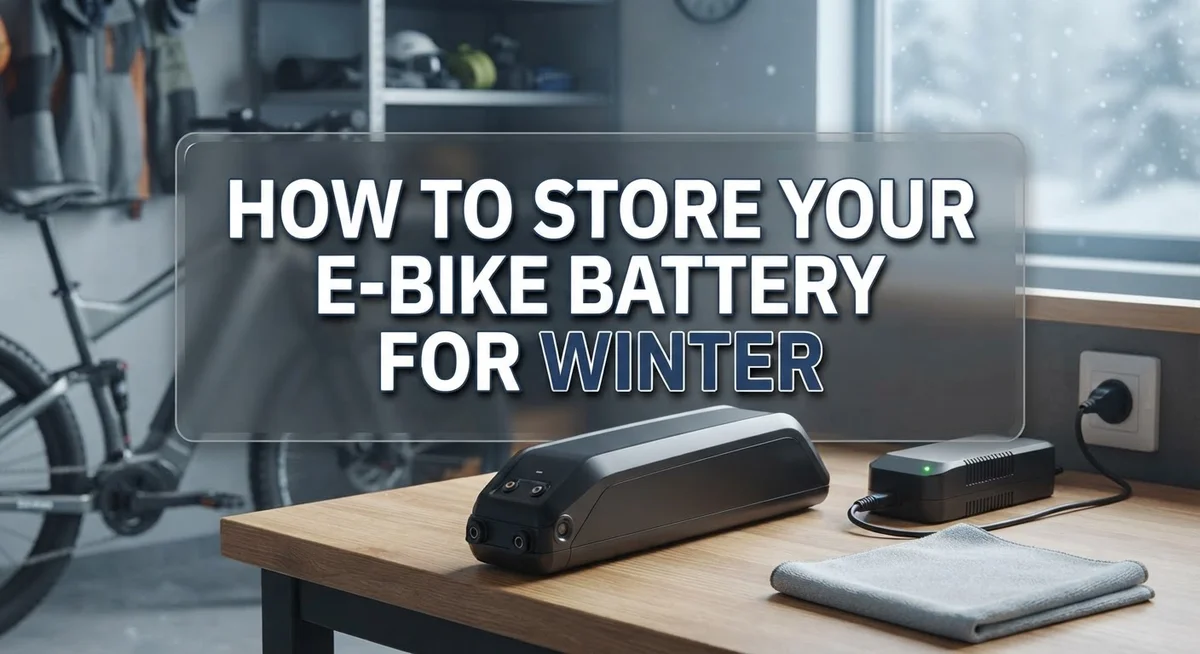
How to Store Your E-Bike Battery for Winter: A Complete Guide
Winter is tough on e-bike batteries. Cold air drains power fast and can cause lasting damage. Many riders make simple mistakes that shorten battery life.
Your e-bike battery needs special care when temperatures drop. Leaving it on your bike in a cold garage can harm its cells. Storing it at the wrong charge level causes problems too.
The good news? Protecting your battery is easy once you know the right steps. Proper winter storage keeps your battery healthy and ready for spring rides.
This guide covers everything you need to know. We will show you the ideal temperature range for storage. You will learn the best charge level to maintain during winter months.
We also explain where to store your battery safely. You will discover common mistakes that damage batteries in cold weather. Plus, we share tips for checking your battery during the off season.
Follow these simple steps and your e-bike battery will stay strong all winter. You will save money by avoiding early battery replacement. Let’s get started on keeping your battery safe and ready to ride.
In a Nutshell
Here’s a quick summary to keep your e-bike battery safe this winter.
-
Remove the battery from your e-bike before storing it. Never leave it on the bike in a cold garage or shed.
-
Store it indoors at a controlled temperature. Aim for 50-77°F (10-21°C) for best results.
-
Keep the charge level between 50-60%. This range protects the battery cells during long storage periods.
-
Avoid freezing conditions. Temperatures below 35°F can cause permanent damage to your battery.
-
Stay away from high humidity and moisture. Damp environments can harm battery health over time.
-
Check your battery periodically through the winter months. This helps you catch any issues early.
-
Never charge your battery in freezing conditions. Cold temperatures and charging don’t mix well.
-
If you ride during winter, remember performance drops in cold weather. You can still ride down to 14°F, but expect reduced range.
Follow these points and your battery stays healthy until spring arrives.
Why Winter Storage Matters for E-Bike Batteries
E-bike batteries rely on chemical reactions to store and release energy. Cold temperatures slow these reactions dramatically. Your battery loses power faster, charges slower, and cannot perform at full capacity when it’s cold outside.
Lithium-ion batteries, which power most e-bikes, are especially vulnerable to freezing. Storing your battery in temperatures below 35°F can cause permanent damage to its internal cells. The electrolyte inside may freeze, preventing the battery from holding a charge ever again. This damage often cannot be repaired.
Moisture poses another serious threat during winter months. Humidity and condensation can seep into battery connections and circuitry. This corrosion weakens electrical contacts and creates safety hazards. Water damage may cause your battery to malfunction or fail completely.
Leaving your battery on the bike in an unheated garage or shed exposes it to both cold and moisture. Even if your garage doesn’t freeze, temperature swings between day and night stress the battery’s components. These fluctuations accelerate wear and reduce overall lifespan.
Proper winter storage prevents all these problems. A climate-controlled indoor space keeps your battery safe from freezing temperatures and humidity swings. Your battery stays at its optimal operating temperature range. The stable environment preserves the battery’s health and capacity.
Storing your battery correctly takes just a few minutes of preparation. You disconnect it from the bike, place it in a dry indoor location, and maintain a specific charge level. This simple process protects your investment and ensures your e-bike is ready to ride when spring arrives.
Without proper winter storage, you may face expensive repairs or replacement costs. Your battery’s lifespan drops significantly. Performance issues develop that persist even after winter ends. Taking preventive action now saves time, money, and frustration later.
Ideal Storage Conditions: Temperature and Humidity
Your e-bike battery performs best when stored in specific environmental conditions. Temperature and humidity are the two most important factors to control during winter months.
The ideal storage temperature range is 50 to 77 degrees Fahrenheit (10 to 21 degrees Celsius). This range keeps the chemical reactions inside your battery stable and prevents damage. Never store your battery below 35 degrees Fahrenheit, as freezing temperatures can harm the internal cells permanently.
If you store your battery in a cold garage or shed, the temperature may drop too low. Your home’s living space, a bedroom closet, or a climate-controlled basement works much better. These indoor locations maintain consistent warmth throughout winter.
Humidity levels matter just as much as temperature. Aim to keep humidity between 50 and 60 percent. High moisture in the air causes condensation to form on your battery’s metal contacts and connectors. This condensation can create rust and corrode the connection points, leading to poor performance or complete failure.
Avoid storing your battery in damp basements, unheated garages, or outdoor sheds. These locations trap moisture and allow temperature swings that stress your battery. A dry indoor space with stable conditions is always your best choice.
Check the humidity in your storage area. If it feels damp or smells musty, find a different location. You can use a simple humidity meter to measure moisture levels. These devices are inexpensive and help you confirm your storage space is suitable.
Keep your battery away from direct sunlight and heat sources like radiators or vents. Extreme heat speeds up battery degradation, just like extreme cold does. A dark corner of your closet or a cabinet shelf works perfectly.
By maintaining these temperature and humidity conditions, you protect your battery’s lifespan and ensure it works reliably when spring arrives.
Step-by-Step Guide to Preparing Your Battery for Storage
Start by disconnecting your battery from the e-bike. Most batteries slide out easily or require a simple release mechanism. This step is crucial because it prevents slow drain and protects both the battery and bike during storage.
Next, check your battery’s current charge level. Use your bike’s display or the battery’s indicator lights to see how much power remains. You want to charge or discharge it to reach the 50 to 60 percent range before storage begins.
If your battery is fully charged, you’ll need to use it. Take a short ride to bring the charge down to your target level. If it’s too low, plug it in at room temperature until you hit that sweet spot.
Once your battery reaches the correct charge level, find a proper storage location. Choose an indoor space like a closet, spare room, or climate-controlled basement. The area should stay between 50 and 77 degrees Fahrenheit throughout winter. Avoid unheated garages, sheds, or outdoor spaces where temperatures drop below 35 degrees.
Before placing your battery in storage, inspect it for any damage or moisture. Wipe the exterior gently with a dry cloth. Check all connection points to ensure they’re clean and dry. Look for cracks, corrosion, or loose parts that might need attention before spring.
Store your battery upright or in its natural position. Keep it away from metal objects that could cause accidental contact between terminals. Place it on a shelf or in a storage box rather than directly on the floor.
Mark your calendar to check your battery every month during winter. A quick visual inspection takes seconds but helps catch problems early. This simple habit ensures your battery stays in perfect condition until you’re ready to ride again.
Finding the Right Charge Level Before Storage
Finding the right charge level is one of the most important steps before you store your e-bike battery for winter. You want to aim for 50 to 60 percent charge before you put it away. This sweet spot protects your battery from damage during the cold months ahead.
Why does this specific range matter so much? If you store your battery fully charged, it experiences stress over time. The chemical reactions inside continue even when the battery sits unused. This extra stress can reduce how long your battery lasts overall. On the flip side, storing a completely dead battery is equally harmful. A fully discharged battery can suffer permanent damage if exposed to cold temperatures.
To find your battery’s current charge level, look at the display panel or indicator lights on your battery pack. Most modern e-bikes show the percentage clearly on a small screen or through LED indicators. If your battery is above 60 percent, you need to use your e-bike to bring it down. Take a short ride around your neighborhood or on a local path. Ride until the charge drops to your target range.
If your battery sits below 50 percent already, you should charge it up slightly. Plug it in for a short period until you reach the 50 to 60 percent window. Don’t leave it charging unattended for long periods during this process.
Check your battery’s charge level one more time before placing it in storage. This ensures you’ve hit the target range accurately. Once you confirm the correct charge level, your battery is ready for safe winter storage. The next step involves finding the right storage location that maintains proper temperature and humidity conditions throughout the season.
Monitoring and Maintaining Your Battery Throughout Winter
Checking your battery every month during winter keeps it healthy and ready for spring riding. This simple habit prevents problems before they start.
Start your monthly check by examining the battery’s exterior. Look for cracks, corrosion, or water damage on the casing and connectors. Wipe away any dust or debris with a dry cloth. If you spot moisture, dry the area immediately and move the battery to a warmer location for a few hours.
Next, check the charge level using the battery’s display panel or indicator lights. Your battery should stay between 50 and 60 percent throughout winter. If it has dropped below 50 percent, charge it back to the target range. If it sits above 60 percent, use your e-bike briefly to bring it down. This prevents stress on the battery’s cells.
Verify your storage temperature hasn’t dropped below 35 degrees Fahrenheit. Use a thermometer in your storage area to confirm conditions remain stable. Cold temperatures can damage battery chemistry. If your storage space gets too cold, move the battery to a warmer indoor location.
Listen for any unusual sounds when you handle the battery. Clicking, buzzing, or rattling noises suggest internal problems. Contact a service center if you hear anything odd.
Check connector pins for corrosion or loose connections. Clean metal contacts gently with a dry brush if needed. Corroded connections prevent proper charging later.
Finally, note the date of your check. This creates a record of your battery’s condition throughout winter. If problems appear between checks, you’ll catch them faster next season.
These monthly inspections take just 10 minutes but add months to your battery’s lifespan. Consistent monitoring gives you confidence that your e-bike will start strong when spring arrives.
Common Mistakes That Damage E-Bike Batteries in Cold Weather
Cold weather creates real challenges for e-bike batteries. Understanding these mistakes helps you protect your investment and keep your battery working well when spring arrives.
Storing below 35 degrees Fahrenheit is the biggest mistake most people make. When temperatures drop too low, the battery’s internal chemistry slows down dramatically. The electrolyte inside freezes, which damages the cells permanently. Even if your battery seems fine when you bring it inside, this damage reduces its lifespan and performance.
Leaving your battery on the bike in an unheated garage or shed causes major problems. The battery experiences temperature swings that stress its components. Metal connectors can corrode from condensation. The battery pack sits exposed to humidity, which creates rust and electrical issues. Always remove the battery from your e-bike before storing it anywhere cold.
Charging your battery in freezing conditions is another critical error. Charging generates heat inside the battery. When external temperatures are too cold, this heat cannot distribute properly. The battery can swell, leak, or fail completely. Wait until your battery reaches room temperature before charging it.
Storing in high humidity environments damages batteries just as much as cold does. Moisture seeps into connector ports and corrodes the electrical contacts. This corrosion prevents proper power flow when you need to ride again. Damp basements and unfinished spaces are poor choices for battery storage.
Over discharging your battery before storage creates another problem. If your battery drops below 20 percent charge, it can enter a deep sleep state. Recharging a deeply discharged battery takes longer and stresses the cells. Similarly, storing a fully charged battery for months causes the cells to degrade faster.
The solution is simple: keep your battery indoors at room temperature, maintain a 50 to 60 percent charge level, and check it monthly. These basic steps prevent almost all winter storage damage.
Getting Your Battery Ready for Spring Riding
When spring arrives, your e-bike battery needs proper preparation to get back on the road safely. The first step is checking your battery’s health after months of storage. Look at the exterior carefully for any signs of damage like cracks, corrosion, or moisture buildup. These problems can affect performance or create safety issues.
Next, examine the charge level using your battery’s display panel or indicator lights. Your battery should still be around 50 to 60 percent if you stored it correctly. If the charge dropped significantly, this tells you something went wrong during winter storage. A healthy battery maintains its charge level throughout the cold months.
Test your battery connections before reinstalling it on your e-bike. Check the connector pins for corrosion or loose connections that may have developed. Clean metal contacts gently with a dry brush if you notice any buildup. Proper connections ensure safe power delivery when you start riding.
Before your first ride, charge your battery fully in a warm indoor space. Never charge a cold battery that’s below 50 degrees Fahrenheit. Let it warm up to room temperature first. This prevents internal damage and ensures the charging process works correctly.
Take your first spring ride at a moderate pace to test everything. Monitor how your battery performs during this initial outing. You should notice normal power delivery and consistent range. If performance seems weak or unusual, your battery may need professional inspection.
Keep detailed notes about your battery’s condition each spring. This helps you spot problems early and plan for future storage. A well maintained battery provides reliable power for many seasons of riding. Proper spring preparation takes just a few minutes but extends your battery’s lifespan significantly.
Final Thoughts
Winter storage does not have to feel complicated. Your e-bike battery needs three simple things: the right temperature, the right charge, and a dry space. Get these basics right, and your battery will thank you in spring.
Indoor storage protects your battery from the harshest winter conditions. A spare room, closet, or heated basement works perfectly. Avoid unheated garages or sheds unless you remove the battery first.
Temperature control matters more than people realize. Keep your battery between 50°F and 77°F for best results. Never let it drop below 35°F, since freezing temperatures cause lasting damage.
Charge level plays a huge role too. Store your battery at 50 to 60 percent charge. This range keeps the internal chemistry stable without stressing the cells. Full charges and empty batteries both age faster during long storage periods.
Moisture is another silent threat. High humidity leads to corrosion on battery terminals and connectors. Choose a storage spot that stays dry throughout the season.
Think of winter storage as an investment in your e-bike’s future. A little care now means better performance and longer battery life later. Skipping these steps often leads to costly replacements come spring.
Set a simple routine before winter arrives. Remove the battery, check the charge, find a dry indoor spot, and you are done. This small effort protects your investment for years to come.
Remember that consistency matters more than perfection. Even if you cannot hit the ideal range every single day, keeping conditions reasonably stable makes a real difference.
Your e-bike battery works hard all riding season. Give it a safe, comfortable place to rest during winter. Come spring, you will have a reliable battery ready for new adventures on the road.
Frequently Asked Questions
Can I store my e-bike battery in a cold garage?
Only if you remove the battery from the bike first. A cold garage below 35°F will damage your battery permanently. Take the battery indoors to a climate-controlled space like your home. The bike itself can stay in the garage, but the battery needs warmth and protection.
What charge level should my battery have before winter storage?
Keep your battery at 50 to 60 percent charge. This middle range protects the cells from stress. A fully charged battery loses capacity over time. A completely empty battery can suffer permanent damage. Check the charge level every month during winter and top it up if needed.
How often should I check on my battery during winter?
Check your battery once a month. Look at the charge level and make sure it stays around 50 to 60 percent. Listen for any unusual sounds. Feel the battery casing for any leaks or damage. This quick inspection takes just a few minutes and catches problems early.
Is a waterproof cover enough if I store my battery outdoors?
No. A waterproof cover only protects from rain and snow. Temperature control is what really matters. Your battery still needs to stay above 35°F. If you must store outdoors, use an insulated box or storage shed with a heater. Indoor storage is always the safer choice.
Can I charge my battery while it’s freezing outside?
Never charge a frozen battery. Charging in temperatures below 32°F causes internal damage. Wait until your battery reaches room temperature before plugging it in. Bring the battery indoors and let it warm up for at least an hour before charging.

Philips is the founder and lead writer at GearheadGarageFinds.com, a passionate automobile enthusiast who has spent years testing, comparing, and reviewing auto products and accessories to help fellow gearheads make smarter buying decisions. When he’s not under the hood or behind the keyboard, you’ll find him exploring the latest automotive innovations and hunting for the best garage finds on the market.