Are E-Bike Batteries Waterproof? What You Need to Know
Rain starts falling during your ride. You start to worry about your e-bike battery.
This is a common concern for every e-bike rider. Water and electronics don’t usually mix well.
Here’s the good news: most e-bike batteries handle moisture just fine. They come with ratings that protect against rain and road splashes.
But there’s an important difference you need to know. Being water-resistant is not the same as being fully waterproof.
This small difference matters a lot. It affects how you ride, store, and clean your e-bike.
In this article, we break down what your battery can actually handle. You will learn about IP ratings and what they truly mean for you.
We also cover common mistakes that damage batteries over time. Things like deep water crossings or improper washing can cause real harm.
By the end, you will know exactly how to protect your investment. You can ride confidently through rain without worrying about costly damage.
Let’s clear up the confusion about water and your e-bike battery.
In a Nutshell
Here’s your quick summary of e-bike battery water protection:
-
Most e-bike batteries are water resistant, not fully waterproof. They handle rain and splashes well. They cannot survive being submerged in water.
-
Batteries typically carry an IP54 to IP67 rating. This means they block dust and resist water sprays. Deep submersion is a different story.
-
You can ride safely in rain or wet roads. Your motor, battery, and display are built for this kind of exposure.
-
Never submerge your e-bike in deep water or floodwater. Water can push past seals and cause corrosion inside the battery.
-
Check seals, port covers, and cables often. This simple habit catches small problems before they become expensive repairs.
-
Avoid washing your e-bike upside down. Keep the battery charged after rides instead of leaving it empty.
-
Skip overcharging and don’t leave your battery on the charger too long. These habits protect battery life over time.
Understanding this difference between water resistant and waterproof keeps your e-bike running strong for years.
Water-Resistant vs. Waterproof: Understanding the Difference
Water resistance and waterproof sound similar, but they mean very different things for your e-bike battery. Understanding this difference protects your investment.
Water-resistant means your battery can handle splashes, rain, and moisture exposure. It stops water from reaching sensitive internal parts under normal riding conditions. Your battery has seals and protective coatings that block water from entering. However, water-resistant is not absolute protection. Enough water pressure or prolonged contact can eventually force moisture past the seals.
Waterproof means complete protection against water under any condition, including full submersion. A truly waterproof battery could sit underwater indefinitely without damage. Most e-bike batteries are not waterproof. They are water-resistant instead.
This distinction matters because it changes how you use your e-bike. You can safely ride in rain or on wet roads. You cannot safely ride through deep water crossings or floodwater. The water pressure and prolonged exposure overwhelm the protective seals.
Your battery’s IP rating tells you exactly what protection level it has. IP54 means splash protection. IP67 means brief submersion protection. Check your battery manual to find your specific rating. This number guides your riding decisions.
Water resistance degrades over time. Seals wear out. Protective coatings crack. This is why regular inspection matters. Look for visible damage on port covers, charging cables, and battery mounting areas. Replace damaged seals promptly.
The motor and display also have water-resistant ratings, usually matching the battery. They handle rain exposure well. They struggle with deep water.
Think of water resistance like a rain jacket. It keeps you dry in a shower. It fails in a swimming pool. Your e-bike battery works the same way. Rain is fine. Submersion is not. Knowing this difference means you ride confidently without damaging your battery.
IP Ratings Explained: What IP54 to IP67 Actually Means
IP ratings use two numbers to describe how well a device handles dust and water. The first number rates dust protection. The second number rates water protection. For e-bike batteries, you only need to focus on that second number.
The water protection number ranges from 0 to 9. A higher number means better protection. Most e-bike batteries fall between IP54 and IP67. Let’s break down what these actually mean for your rides.
IP54 means your battery resists water spray from any direction. Rain, puddles, and road splash won’t harm it. However, water can still enter if it’s forced under pressure or if seals wear down over time.
IP55 offers slightly better protection than IP54. It handles stronger water jets. Your battery stays safe during car washes, though you should still avoid pointing the nozzle directly at it.
IP56 provides even more defense against water pressure. This rating handles heavy rain and aggressive spray without issues.
IP67 is the highest rating you’ll typically see on e-bike batteries. It means your battery can handle temporary immersion in water up to one meter deep for about 30 minutes. This protects against accidental splashes into puddles or shallow water crossings.
The key word here is temporary. IP67 does not mean you can submerge your battery in a river for an hour. Extended submersion allows water to seep past seals and damage internal components.
Most quality e-bikes come with IP54 or higher ratings. Check your battery’s manual or the manufacturer’s specifications to find your exact rating. Knowing this number helps you understand what conditions your battery can safely handle.
Remember: the rating only applies when seals and covers are in good condition. Cracked covers or missing port plugs reduce protection significantly. Regular inspections keep your battery safe and performing well.
How E-Bike Batteries Are Protected From Moisture
E-bike batteries use several layers of protection to keep water out. The main defense is a sealed casing made from durable plastic or metal materials. This outer shell acts like a barrier against rain, splashes, and moisture from wet roads.
Rubber seals and gaskets form the critical line of defense around battery ports and covers. These seals compress tightly when you mount the battery on your frame. They prevent water from entering gaps where the battery connects to your bike.
Port covers protect the charging inlet and any data ports. These covers fit snugly over openings and stay in place when you’re not charging. Always replace them after you finish charging to maintain protection.
The internal circuitry sits inside a waterproof compartment. Manufacturers apply protective coatings to circuit boards and electrical components. This coating resists moisture and prevents short circuits if water somehow gets past the outer seals.
Cable connections deserve special attention. Wires that link your battery to the motor and display have sealed connectors. Water cannot easily enter these connection points because they’re designed with tight-fitting plugs.
Battery mounting systems also include protective elements. The frame bracket that holds your battery has drainage holes. These holes let water drain away rather than pooling around the battery base.
Temperature and humidity sensors inside the battery help monitor conditions. If moisture levels get too high, the battery’s management system may alert you or reduce power output. This gives you early warning if seals are failing.
Regular inspection keeps these protections working properly. Check that rubber seals aren’t cracked or peeling. Look for corrosion around ports and connectors. Wipe away dirt and debris from the battery surface. Replace worn port covers promptly.
These multiple protection layers work together to keep your battery safe during daily commuting and wet weather riding. No single component does all the work—the system’s strength comes from combining several defensive strategies.
Riding in Rain: What’s Safe and What to Watch For
Rain riding is generally safe with e-bikes because the water resistant design handles splashes and moisture well. Your battery can operate normally during light to moderate rain without issues.
Watch for these specific situations when riding wet. Avoid deep water crossings or flooded streets where water could reach above the battery mounting point. Puddles and road spray are fine, but standing water that submerges your battery creates real risk. Water can seep past seals if pressure builds up during submersion.
Check your bike after wet rides. Look at the battery cover, charging port, and cable connections for water droplets or moisture. Wipe down these areas with a dry cloth. This simple step prevents water from sitting on seals and finding its way inside over time.
Pay attention to your charging port before plugging in after rain. Make sure it’s completely dry. Wet charging ports can cause corrosion or electrical issues inside the battery. Wait a few minutes if moisture is present, or use a soft cloth to dry it carefully.
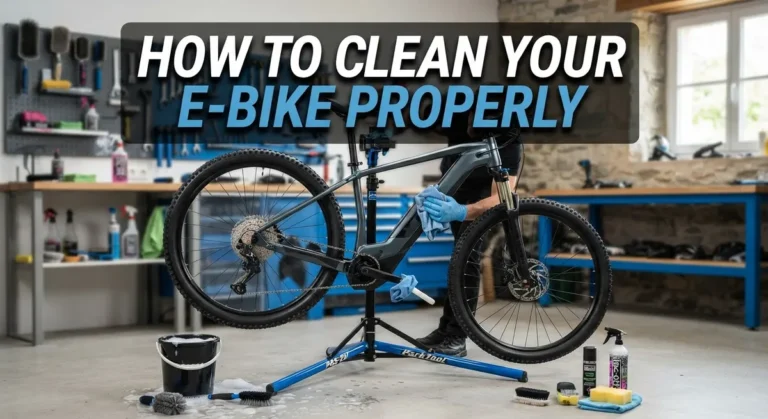
Don’t wash your e-bike with a pressure washer or hose it down aggressively. High pressure water forces moisture past protective seals. Use a soft cloth or gentle spray instead.
Temperature changes matter too. Riding in cold rain and then bringing your warm bike indoors can cause condensation inside the battery. Let your bike sit in a moderate temperature area for 30 minutes before charging after cold, wet rides.
Store your bike in a dry location when not riding. Leaving it outside in constant rain or humidity degrades seals faster. A garage, shed, or covered area protects your battery and extends its lifespan.
Your e-bike is built for regular commuting in wet weather. Just stay aware of water depth, keep connections dry, and inspect seals regularly. These habits keep your battery safe through many rainy seasons.
How to Inspect and Maintain Battery Seals and Ports
Regular inspection keeps your battery’s water resistance working as intended. Start by examining all visible seals around the battery cover. Look for cracks, hardening, or areas where the rubber appears worn or discolored.
Check the charging port closely. This is where water most commonly enters the battery system. Make sure the port cover fits snugly and closes completely. Open and close it several times to confirm it moves smoothly without sticking or forcing.
Inspect cable connections where they meet the battery. These joints need tight seals. Look for any gaps, loose connections, or exposed wiring. Gently wiggle cables to ensure they’re secure and not pulling away from connection points.
Examine the battery mounting area on your frame. Dust and debris can accumulate here and compromise seals. Wipe this area clean with a dry cloth. Check that the battery locks firmly into place without wobbling.
Test seal integrity by running your finger around each seal edge. You should feel a smooth, continuous surface with no gaps or separations. If you notice any cracks or deterioration, the seal needs replacement.
After wet rides, dry the battery exterior thoroughly. Pay special attention to seams and port areas. This prevents water from sitting on surfaces and finding weak spots in your seals.
Check for corrosion around metal components near ports. White or green discoloration indicates moisture has gotten past your seals. Address this immediately to prevent internal damage.
Store your battery in a dry location between rides. Avoid damp basements or garages where humidity stays high. Proper storage extends seal life and maintains water resistance.
Perform these checks monthly during rainy seasons and quarterly during dry months. Clean, dry seals work better than neglected ones. This simple maintenance keeps your battery protected for years of reliable riding.
Situations That Can Damage Your Battery
Water can damage your e-bike battery in several ways, even though most batteries are water resistant. Understanding these damage scenarios helps you protect your investment.
Prolonged submersion is the biggest threat. If your battery sits underwater for extended periods, water eventually penetrates past the seals. This happens because water resistance has limits—most batteries handle splashes and rain, but not deep water crossings or floodwater. Corrosion starts when water reaches the internal circuitry and metal components.
Charging port exposure causes significant damage. This port is one of the most vulnerable areas on your battery. If water enters while you’re charging or if moisture sits in the port, it can short circuit the internal components. Always dry the charging port thoroughly before plugging in after wet rides.
Aggressive washing damages your battery faster than you might think. Using a pressure washer or hose directly on your bike forces water into seals and connections. The high pressure overwhelms the protective barriers. Even regular hoses can cause problems if you spray directly at the battery or ports.
Temperature swings create another risk. When your battery gets wet and then experiences temperature changes, condensation forms inside. This internal moisture leads to corrosion over time, even if water didn’t penetrate initially.
Neglected seals fail faster. If rubber gaskets crack or pull away from the battery cover, water finds its way inside more easily. Dirt and debris can lodge in seals and create tiny gaps. Once seals degrade, your water resistance drops significantly.
Leaving your battery empty after rides invites damage. An empty battery has less electrical protection against corrosion. Storing a discharged battery in damp conditions accelerates internal deterioration.
Cable connections that loosen or corrode allow water to travel along wires into protected areas. Vibration from riding can gradually loosen connections, creating entry points for moisture.
Common Mistakes E-Bike Owners Make With Water Exposure
E-bike owners often make preventable mistakes that compromise battery protection. Understanding these errors helps you keep your battery in good condition for years.
The first mistake is treating water resistance like full waterproofing. Many riders assume their battery can handle any water situation because it survived a few rainy rides. Water resistant means moisture won’t damage the battery during normal commuting, not that it can survive dunking in a river. Your battery has limits, and pushing past those limits causes expensive damage.
Leaving your battery on the charger overnight or for extended periods is another common error. This practice stresses the battery cells and weakens their ability to handle moisture exposure. Batteries left charged for days become more vulnerable to water damage because the cells operate under constant pressure. Charge your battery fully, then unplug it. Don’t leave it connected longer than necessary.
Ignoring visible damage to seals and cables is a major problem. Riders notice small cracks around the battery cover or loose connectors but assume “it’s fine for now.” Water doesn’t need a large gap to enter your battery. Even tiny openings allow moisture to seep in gradually, causing internal corrosion you won’t see until the battery fails.
Mixing wet riding with poor storage habits creates trouble. Riding in rain is safe, but storing your wet bike in a damp garage without drying it first invites problems. The battery continues absorbing moisture in storage when it should be drying out.
Finally, many owners skip basic maintenance checks. You don’t need special tools to inspect your battery. Look at the charging port, check cable connections, and feel around seals monthly. These quick checks catch problems before water causes serious damage.
Final Thoughts
E-bike batteries are water resistant, not waterproof. This simple fact matters for every rider.
Your battery handles rain, splashes, and wet roads with ease. It cannot survive deep water or floods.
Understanding this difference protects your investment. Most riders never face problems because they ride sensibly and avoid extreme conditions.
Rain riding stays safe when you follow basic care steps. Your battery, motor, and display all handle normal wet weather exposure well.
Problems happen when riders push limits. Deep puddles, flooded streets, and submerged crossings create risks no e-bike battery can handle.
Simple habits make a big difference. Keep your battery charged between rides. Check seals and ports now and then. Dry your bike after wet conditions.
These small actions add years to your battery’s life. They also prevent costly repairs and sudden failures.
Think of water resistance as a shield, not a fortress. It blocks everyday moisture but cannot stop deep water from getting in.
Respect this limit and your battery will reward you with reliable performance season after season. Ignore it and you risk permanent damage.
Every e-bike owner faces the same choice. Ride smart and maintain your bike, or take chances with water exposure.
The smart choice is obvious. A little care goes a long way toward keeping your battery healthy.
Rain should never stop your rides. Floods and deep water should always make you pause.
Know your battery’s limits. Treat it with reasonable care. Avoid the extreme situations that cause real damage.
Your e-bike battery will serve you well for years when you respect its water resistant design. That’s the real takeaway here.
Simple awareness protects your biggest investment. Stay informed, stay careful, and enjoy every ride, rain or shine.
Frequently Asked Questions
Can I ride my e-bike in the rain?
Yes, you can ride safely in rain. E-bike batteries come with water-resistant ratings that handle rain and road spray without problems. The protective seals and covers keep water out during normal wet conditions.
Just avoid riding through deep water or flooded areas. These situations push water past the seals and into sensitive parts. Regular rain and splashes pose no real threat to a properly maintained battery.
What IP rating should I look for?
Most e-bike batteries have IP54 to IP67 ratings. These numbers tell you how much water protection you get. IP54 handles splashes and light rain. IP67 offers stronger protection against brief submersion.
Check your battery’s manual or specifications to find your exact rating. This helps you understand what conditions are safe for your specific model. Higher ratings give you more confidence in wet weather riding.
How do I protect my battery during rainy season?
Store your battery indoors between rides, especially during heavy rain periods. Keep the charging port covered when not in use. Inspect seals around the battery case monthly during wet months.
Wipe down cables and connections after wet rides to prevent corrosion. Check that all port covers fit snugly. These simple habits stop water from finding its way into protected areas.
What damage can water actually cause?
Water causes problems through corrosion and electrical damage. When water reaches internal components, it creates rust and breaks electrical connections. This typically happens after prolonged submersion or repeated exposure to water through damaged seals.
Charging ports are especially vulnerable. Loose or corroded cable connections let water travel inside the battery. Damage usually develops slowly, so early prevention beats expensive repairs later.

Philips is the founder and lead writer at GearheadGarageFinds.com, a passionate automobile enthusiast who has spent years testing, comparing, and reviewing auto products and accessories to help fellow gearheads make smarter buying decisions. When he’s not under the hood or behind the keyboard, you’ll find him exploring the latest automotive innovations and hunting for the best garage finds on the market.