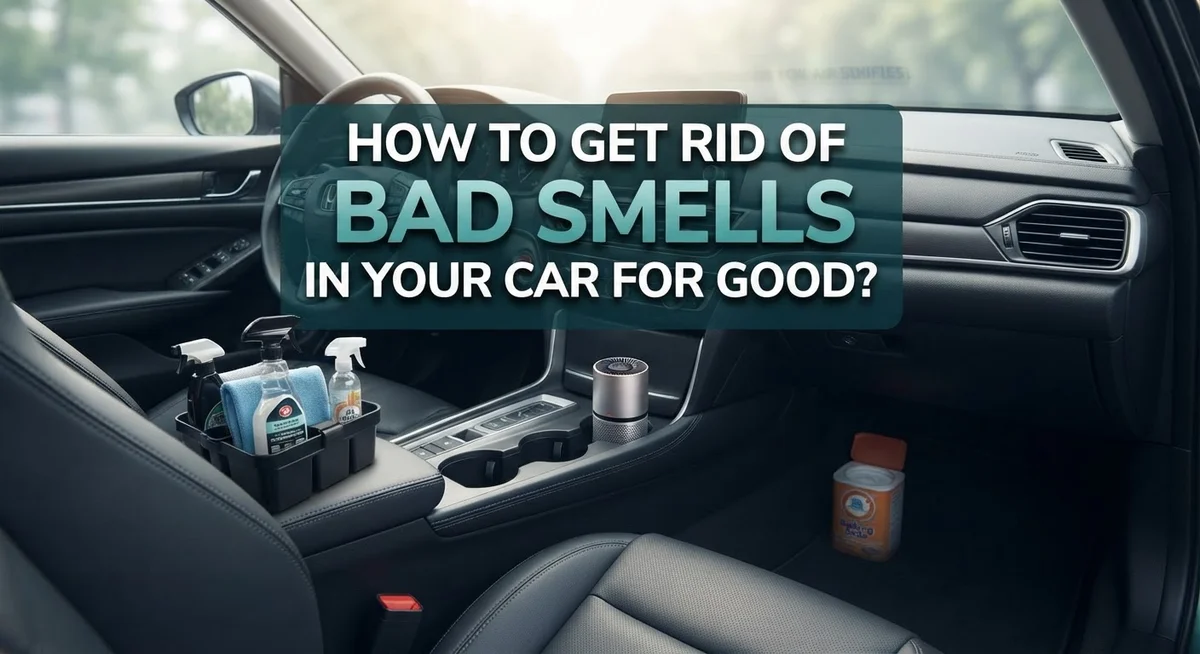
How to Get Rid of Bad Smells in Your Car for Good
Do you dread getting into your car because of that weird smell? You are not alone.
Bad odors can creep into your car from many places. Old food, damp clothes, or spilled drinks often start the problem.
Ignoring these smells only makes things worse over time. The longer you wait, the deeper the odor sinks into your seats and carpets.
The good news? You can fix this without expensive tools or products.
This guide will show you simple, effective steps to remove bad smells for good. You will learn how to declutter your car properly and clean surfaces the right way.
We will also share natural odor fighters like vinegar, coffee grounds, and baking soda. These household items work wonders on tough smells.
Plus, we will cover common mistakes that make odors stick around longer. Small habits, like eating in your car, can create big problems.
By the end of this article, you will know exactly how to keep your car smelling fresh. You will also learn when it makes sense to call in professional help.
Let’s get your car smelling clean again.
In a Nutshell
Here’s a quick recap to keep your car smelling fresh:
-
Clean out trash first. Remove wrappers, cups, and leftovers right away. This stops smells before they start.
-
Vacuum and wipe often. Dirt and crumbs trap odors in your seats and carpets. A quick clean every week helps a lot.
-
Try natural fixes. White vinegar, coffee grounds, and baking soda all work well. Let them sit overnight for the best results.
-
Deal with moisture fast. Wet clothes or spills cause musty smells. Dry them out or remove them right away.
-
Avoid common mistakes. Eating in your car or leaving trash too long makes smells stick around. Small habits make a big difference.
-
Call a professional if needed. If smells stay after home treatments, deep cleaning may be necessary.
Following these steps keeps your car smelling clean without spending much money. Consistency is the real secret to lasting freshness.
Common Causes of Bad Car Smells
Bad car smells come from many sources. Understanding what causes them helps you fix the problem faster and prevent it from returning.
Trash and food leftovers are the biggest culprits. When you eat in your car or leave snack wrappers on the floor, bacteria grow on these items. Spilled drinks create sticky residue that traps odors. The longer these items sit, the worse the smell becomes.
Moisture and dampness cause serious odor problems. Wet floor mats, damp clothing, or water leaking inside create a perfect breeding ground for mold and mildew. These fungi produce musty, unpleasant smells that spread throughout your vehicle.
Dirt and debris accumulate under seats and in carpets. Dust, pet hair, and dead skin cells collect over time. When mixed with moisture, these materials develop foul odors that seem impossible to remove.
Air conditioning systems can harbor bacteria and mold. When you don’t use your AC regularly or never clean the vents, moisture builds up inside the system. This creates that stale, unpleasant smell when you turn it on.
Pet accidents and pet odors leave lasting smells. Even after cleaning, urine and other pet-related issues penetrate carpets and padding. These smells linger because they soak deep into materials.
Smoke and stale air stick to upholstery and fabric surfaces. Cigarette smoke or vaping residue clings to seats and headliners. Over time, this smell becomes part of your car’s interior.
Spilled gasoline or fuel creates sharp, chemical odors. Leaks or spills on your clothing or items in the trunk spread these smells throughout the cabin.
The key takeaway? Most bad smells result from neglect or accidents. Removing trash immediately, addressing moisture quickly, and keeping your car clean prevents most odor problems before they start. Identifying the source helps you choose the right removal method.
Step-by-Step: Deep Cleaning Your Car’s Interior
Start by removing everything from your car. Take out floor mats, seat cushions, and any items stored in the trunk or under seats. Throw away all trash, food wrappers, and old receipts. This step alone removes a major source of odors.
Next, vacuum every surface thoroughly. Use the vacuum hose attachment to reach under seats, between cushions, and along the floor edges. Pay special attention to areas where dirt and debris hide. Vacuum the trunk and door panels too. Debris traps moisture and bacteria, which create stubborn smells.
Wipe down all hard surfaces with a damp cloth. Clean the dashboard, steering wheel, door handles, and air vents. These areas collect dust and can hold odor particles. Use a dry cloth afterward to prevent moisture buildup.
Now address the upholstery. Sprinkle baking soda generously on all seats and carpeted areas. Let it sit for several hours or overnight. The baking soda absorbs odors naturally. Vacuum it up completely when done.
For persistent smells, use white distilled vinegar. Pour one cup into a cup holder and leave it overnight. The vinegar neutralizes odors without leaving a strong smell itself. Open your windows the next morning for fresh air circulation.
Coffee grounds work well too. Place dried grounds in a small container and leave it in your car for several days. Coffee absorbs bad smells effectively.
Check for moisture problems. Look under seats and in the trunk for damp spots or wet items. Moisture feeds mold and bacteria growth. Remove wet floor mats, soaked clothing, or any damp materials immediately.
Finally, open all windows and doors. Let your car air out completely for at least one hour. Fresh air helps carry away remaining odors.
If smells persist after these steps, moisture or bacteria may be hiding in your air conditioning system. Professional cleaning might be necessary at that point.
Natural Odor-Neutralizing Remedies That Work
White distilled vinegar is one of the most effective natural solutions. Pour one cup into a cup holder and leave it overnight. The vinegar absorbs odors instead of masking them. Your car will smell fresh by morning. Crack the windows if the vinegar smell bothers you initially.
Coffee grounds work surprisingly well for stubborn odors. Place dried grounds in a small container or bowl. Leave it in your car for several days. Coffee naturally neutralizes bad smells while adding a pleasant aroma. Replace the grounds every few days until odors fade.
Baking soda is another powerful option you likely have at home. Sprinkle it generously on your car seats, floor mats, and carpets. Let it sit for at least four hours, or better yet, overnight. Vacuum thoroughly afterward. The baking soda traps odor molecules and lifts them away.
Combine these methods for faster results. Use vinegar one week, then switch to coffee grounds the next. Alternate treatments prevent your nose from adjusting to a single remedy.
For leather seats, test vinegar on a small hidden area first. Some leather finishes react poorly to acidic solutions. Always check before treating the entire seat.
Keep your windows cracked while treatments work. Fresh air circulation speeds up the odor removal process. This also prevents moisture from building up inside.
These natural remedies cost very little and use items most people already own. They work best when you combine them with regular vacuuming and decluttering. The key is consistency. Don’t expect overnight miracles with extremely stubborn odors. Give each remedy time to work properly. Most car smells disappear within three to seven days of treatment.
Tackling Hidden Odor Sources (Vents, Upholstery, Carpets)
Your car’s vents, upholstery, and carpets trap odors deep inside. These hidden areas need special attention to eliminate smells completely.
Vents are odor highways. Air flows through them constantly, spreading bad smells throughout your car. Start by turning off your air conditioning and opening all windows. Use a soft brush or cloth to wipe the vent slats gently. Pay special attention to the vents near the dashboard and floor. You can also place a small container of baking soda near the air intake under your windshield. This catches odors before they enter the cabin.
Upholstery holds smells like a sponge. Fabric seats absorb everything from spilled drinks to pet accidents. Sprinkle baking soda generously over all cloth surfaces. Let it sit for several hours or overnight. The baking soda absorbs odor molecules instead of just masking them. Vacuum thoroughly afterward to remove all powder residue.
Carpets are odor storage units. Floor mats and carpet trap moisture, dirt, and bacteria. Remove your floor mats and wash them separately. For the carpet itself, sprinkle baking soda underneath the mats and let it work for hours. You can also place white distilled vinegar in shallow containers on the seats overnight. The vinegar neutralizes odors without leaving a strong smell behind once it dries.
Check for hidden moisture. Damp spots under seats or in carpet corners create perfect conditions for bacteria and mold. Look for wet patches or discoloration. If you find moisture, allow the area to dry completely by opening doors and windows.
For stubborn odors trapped in these areas, consider leaving your car windows open during sunny days. Heat and fresh air work together to release trapped smells. If odors persist after these steps, moisture or mold may be growing inside your air conditioning system, requiring professional attention.
Mistakes That Make Car Odors Worse
Many people accidentally make car odors worse without realizing it. Understanding these mistakes helps you avoid them and keep your car fresh.
Eating in your car is one of the biggest culprits. Food particles fall into crevices, under seats, and into carpet fibers. They rot quickly and create strong smells that spread fast. Even small snacks leave residue that bacteria feed on.
Leaving trash and leftovers inside your car compounds the problem. Forgotten takeout containers, drink cups, and wrappers decay over time. The longer they sit, the worse the smell becomes. Many people don’t realize how quickly organic material breaks down in a warm car.
Not addressing moisture and damp items is another major mistake. Wet towels, soaked gym clothes, or damp floor mats create the perfect environment for bacteria and mold growth. These organisms produce foul odors that become harder to remove the longer they stay trapped.
Delaying cleanup makes everything worse. When you wait days or weeks to address a spill or accident, the smell penetrates deeper into your car’s materials. Upholstery, carpet, and even padding underneath absorb the odor molecules. Quick action stops this process before it spreads.
Many people also ignore their car’s air conditioning system. If moisture builds up inside the vents, bacteria thrives there. This creates musty smells that circulate every time you turn on the AC.
The solution is simple: act immediately. Remove trash right away. Clean up spills within hours, not days. Take out wet items immediately and let them dry elsewhere. Vacuum regularly to prevent dirt and debris from accumulating. These preventive steps stop bad smells from starting in the first place. When you address problems quickly, you avoid the deep odor problems that require professional cleaning later.
Preventing Odors From Coming Back
Stopping bad smells from returning requires consistent habits and regular maintenance. The most important step is preventing odors before they start.
Remove trash immediately after each drive. Food wrappers, old receipts, and forgotten items sit in your car and decay. Bacteria feed on these materials and create foul smells. Make it a rule to empty your car every single day. Check under seats, in cup holders, and door pockets where trash hides.
Vacuum your car weekly. Dirt and debris trap odor molecules in your carpet and floor mats. A quick vacuum removes these particles before they accumulate. Pay special attention to areas where moisture collects, like floor corners and under the seats.
Wipe down all surfaces regularly. Dust on dashboards and door panels can hold stale smells. Use a damp cloth to clean hard surfaces. This removes particles that cause lingering odors.
Keep your windows cracked open when parked. Fresh air circulation prevents moisture buildup and stale smells. Even a small crack allows air to flow through your car. Sunlight also helps kill odor causing bacteria naturally.
Address spills and accidents immediately. Spilled drinks, pet accidents, or food residue soak into upholstery and carpet. Clean these spots right away with appropriate cleaning methods. The longer they sit, the deeper the smell penetrates.
Check your air conditioning system monthly. Moisture builds up inside AC vents and creates musty smells. Run your AC on high for a few minutes with windows open. This helps dry out the system and prevent mold growth.
Store only essentials in your car. Extra items collect dust and trap odors. Keep your vehicle as empty as possible. This makes cleaning easier and prevents smells from developing.
These simple habits keep your car smelling fresh permanently.
When Home Remedies Aren’t Enough: Troubleshooting Persistent Smells
Sometimes home remedies don’t work. Your car still smells bad even after you’ve tried baking soda, vinegar, and coffee grounds. This happens more often than you’d think.
The first step is to identify where the smell comes from. Odors that survive home treatments usually hide in places you can’t easily reach. Your air conditioning system might be the culprit. Mold and bacteria grow inside AC lines and vents. When you turn on the AC, it spreads these smells throughout your car.
Another common source is your cabin air filter. This filter collects dust, pollen, and debris. Over time, it traps moisture and develops odors. A dirty filter makes bad smells worse every time you drive.
Check under your seats and floor mats carefully. Moisture often collects in these hidden spots. Spilled drinks, rain water, or pet accidents soak into carpet layers beneath the surface. This creates the perfect environment for bacteria and mold to grow. Home remedies can’t reach these deep areas.
If you’ve removed all trash, vacuumed thoroughly, and tried multiple home treatments without success, professional cleaning becomes necessary. Professional services use equipment and techniques that go deeper than home methods. They can clean air ducts, treat upholstery from the inside out, and eliminate moisture trapped in carpet padding.
Don’t wait too long to seek help. The longer odors persist, the deeper they penetrate into your car’s materials. This makes removal harder and more expensive. Professional cleaners have specialized tools like ozone generators and steam cleaners that home remedies simply cannot match.
Before you call a professional, make sure you’ve completed the basics. Remove everything from your car. Vacuum every surface. Wipe down all panels. Only then can a professional identify what home treatment missed.
Final Thoughts
Getting rid of bad smells in your car takes patience and consistency. You cannot fix months of buildup overnight. But with the right steps, your car can smell fresh again.
Start with the basics every time. Remove trash, vacuum thoroughly, and wipe down surfaces. These simple actions solve most odor problems on their own.
Natural remedies work well for mild smells. Vinegar, baking soda, and coffee grounds absorb odors without harsh chemicals. Give them time to work, usually overnight or several days.
Prevention matters more than cure. Building small habits keeps bad smells from coming back. Clean spills right away. Never leave food or damp items sitting in your car.
Some odors need extra effort. Check your cabin air filter and look under seats for hidden messes. These spots often hide the real source of the smell.
If home treatments do not work after a few tries, professional cleaning is worth the cost. Trained cleaners have tools and products that reach deep into fabric and padding.
Do not ignore persistent smells. They often signal a bigger issue like mold or water damage. Catching this early saves you money and stress later.
Your car is a space you use every day. A fresh smelling car makes every drive better. It also helps maintain the value of your vehicle over time.
Stay consistent with cleaning and quick action on spills. Combine natural remedies with regular maintenance for the best results.
With patience and the right approach, you can eliminate bad smells for good. Your car will feel cleaner, fresher, and more pleasant every time you get behind the wheel.
Frequently Asked Questions
How long does it take to remove a car smell?
Simple odors disappear in 1 to 3 days with basic treatments. You apply baking soda or vinegar, then let it sit overnight or longer. More stubborn smells may take a week or two of repeated applications.
The timeline depends on how strong the odor is. Fresh spills respond faster than smells trapped deep in upholstery. Patience matters here. Don’t expect instant results from home remedies.
Can I use multiple odor treatments at once?
Yes, you can combine methods, but space them out. Try baking soda first, let it sit for several hours, then vacuum it up. After that, place vinegar or coffee grounds in your car overnight.
Using too many treatments simultaneously can create overwhelming smells. Give each method time to work before adding another. This approach also helps you identify which treatment works best for your specific odor.
What if the smell comes from my air conditioning system?
Your cabin air filter traps dust and moisture. Over time, this creates musty smells that blow through vents. Check your filter first—a dirty filter is often the culprit.
You can replace the filter yourself or have it done professionally. Run your AC on high for a few minutes with windows open to clear stale air from the system.
When should I call a professional cleaner?
Call a professional if home treatments fail after several attempts. This usually means the odor has penetrated deep into carpets, seats, or padding.
Professionals have equipment that removes odors from places you cannot reach. They can also identify hidden sources like mold or moisture problems beneath the seats.

Philips is the founder and lead writer at GearheadGarageFinds.com, a passionate automobile enthusiast who has spent years testing, comparing, and reviewing auto products and accessories to help fellow gearheads make smarter buying decisions. When he’s not under the hood or behind the keyboard, you’ll find him exploring the latest automotive innovations and hunting for the best garage finds on the market.