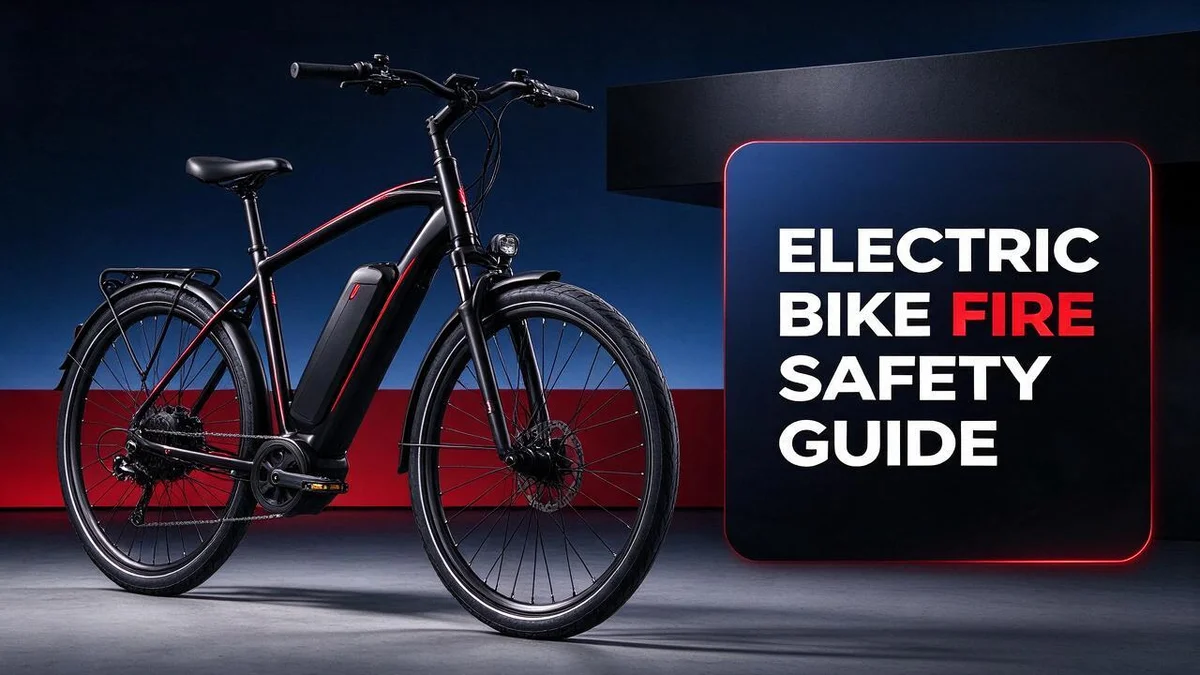
Electric Bike Fire Safety Guide: How to Charge, Store, and Maintain Your E-Bike Safely
Electric bikes make commuting fast, fun, and easy. But the battery inside deserves your respect. A damaged or overheated battery can catch fire quickly.
Fire safety groups like the NFPA warn that ebike and escooter batteries can ignite. Heat can trigger thermal runaway, a chain reaction that raises the fire risk fast.
The good news is simple. Most risks come from habits you can change. Small choices about charging, storing, and checking your bike make a big difference.
This guide shows you how to charge your battery safely. You will learn which surfaces and spots work best.
We also explain why overnight charging, extension cords, and cheap knock off chargers cause trouble. You will see how to spot battery damage and why UL certification matters.
Finally, you will learn how to store your bike away from heat, direct sunlight, and exits. Let’s keep you and your home safe.
In a Nutshell
-
Choose certified gear. Look for UL certification on your battery and charger. Use the manufacturer’s cord and power adapter every time.
-
Pick a safe spot. Charge on a hard, flat surface where heat can spread out. Keep the battery dry and away from open flames, flammable objects, and direct sunlight.
-
Plug in directly. Connect the charger straight to a wall outlet. Extension cords add risk, so skip them.
-
Stay close. Never leave your bike unattended while it charges. Keep it off beds, sofas, and carpet. Store and charge it away from main walkways and exits.
-
Inspect often. Check the battery for cracks, dents, or other damage. Stop using it if you see a problem.
-
Know the limits. Heat can trigger thermal runaway, which raises the chance of fire. The research does not confirm that any safety device can stop a battery fire. Smart habits remain your best protection.
Why E-Bike Batteries Can Catch Fire
Batteries store a lot of energy in a small space. An ebike battery contains many cells packed tightly together. If one cell fails, the problem can spread to nearby cells.
Fire safety groups such as the NFPA have linked ebike and escooter batteries to home fires. This means the risk matters during everyday life, not only on the road.
Heat plays a major role. Batteries work best within a normal temperature range. When they get too hot, internal parts can break down and raise the chance of ignition.
Physical damage is another common cause. A hard impact, a fall, or a crash can crack the outer casing. Even a small dent can let moisture or dirt reach the inside of the battery. Damaged batteries should never be used until a specialist checks them.
Low quality parts add extra risk. Some batteries and chargers lack proper safety design or testing. Products that do not meet recognized standards may fail more often under stress.
Charging habits also matter. Many riders charge their bikes on beds, sofas, or carpet without thinking. Soft materials trap heat, so the battery cannot cool down. This habit quietly increases the danger over time.
Long charging sessions can build heat. Leaving a battery connected for many hours gives heat more time to build up. Short checks during charging help you spot early warning signs like unusual warmth or a strange smell.
Riders often ask whether safety cutoff devices can stop fires. The research available does not confirm that any single device prevents fires. Daily habits still provide the strongest protection. Careful use, regular checks, and smart charging habits work together to lower the risk.
Understanding Thermal Runaway and the Role of Heat
Thermal runaway starts when a battery cell gets too hot. The heat makes the cell release more heat on its own. This cycle keeps building until the cell vents gas or catches fire.
Batteries produce warmth when they charge and when they power your motor. Long hills, heavy loads, and hard riding all add extra heat. A tightly packed battery can trap that warmth inside.
One hot cell can heat its neighbors. This chain reaction is why a single damaged cell can affect the whole pack. Keeping the battery cool helps slow this spread.
Watch for warning signs of overheating. These include a hot or swollen casing, a hissing sound, an unusual smell, or discoloration. If you notice any of these, stop using the bike. Do not charge the battery. Move it outdoors onto a hard surface, away from anything flammable.
Many riders ask whether built-in cut-off devices can prevent fires. The research does not confirm that these devices work reliably. Because of this, do not rely on one feature alone. Good daily habits still matter most.
Let the battery cool to room temperature before you plug it in after a long ride. A warm battery already holds extra heat, so charging it right away adds more. Waiting a short time gives the battery a chance to settle.
Avoid leaving the bike in a parked car on hot days. Heat inside a closed vehicle can rise quickly. Store the bike somewhere with steady, moderate temperatures.
Small habits lower the risk of heat buildup. Keep the charger clear of blankets and cushions. Check the battery often, and stay alert to changes in how it feels or smells.
Why UL Certification Matters
UL certification means an independent lab tested the product against recognized safety standards. Many shoppers see the mark and assume it is only a logo. It is actually proof of real testing.
Testers check how a battery handles overcharging, short circuits, and heat. They also look at how the parts hold up under stress. A pass means the product met clear safety rules.
Two standards often come up for ebikes. UL 2271 covers batteries for light electric vehicles. UL 2849 covers the electrical systems in ebikes. Checking for both gives you a stronger safety picture.
Certification matters because cheap copies often skip this process. An unlisted charger may not stop the current when the battery is full. That gap can let heat build up inside the pack.
Look for the mark on the product label itself. Then check the model number printed beside it. A UL mark shown in an online photo or on a box alone is not enough.
Verify the listing before you rely on it. Search the UL database by the company name or model. This takes only a few minutes and confirms the product is real.
Certification also applies to the whole charging setup. A certified battery paired with an uncertified charger may not be safe together. Keep the charger that came with your bike whenever possible.
Replacement parts need the same care. If you need a new battery, match the voltage and certification exactly. Ask the seller for proof of listing before you buy.
Remember this: certification does not make a product fireproof. It lowers the risk when you use the product as designed. Your daily charging habits still make a big difference.
How to Charge Your E-Bike Safely, Step by Step
Charging is the stage when your ebike battery sits still and heats up, so your habits matter. Follow these steps each time you plug in.
Step 1: Use the right charger. Use the cord and power adapter that came with your bike. Cheap knock-off chargers often lack proper safety design, so avoid them.
Step 2: Inspect the battery first. Look closely for cracks, dents, or bulging on the outer casing. A damaged battery can raise the fire risk, so do not charge it until a professional checks it.
Step 3: Choose a hard, flat surface. Place the bike on concrete, tile, or another firm surface where heat can escape. Avoid soft materials that trap warmth underneath.
Step 4: Pick a dry, shaded spot. Keep the charging area away from water, moisture, and direct sunlight. Heat from the sun can add to the warmth the battery already produces.
Step 5: Keep exits clear. Charge away from hallways, doorways, and emergency exits. A clear path helps you move quickly if something goes wrong.
Step 6: Plug directly into a wall outlet. Skip extension cords and power strips. These can overheat when they carry the full charging load.
Step 7: Stay nearby while it charges. Never leave the ebike unattended. Check on it from time to time so you notice unusual smells, noises, or heat early.
Step 8: Unplug when the battery is full. Avoid charging overnight while you sleep. Set a timer or reminder so you can unplug on time.
Small routines make a big difference. Following these steps every time gives you a safer charging habit and helps you protect your home.
Where to Charge and Store Your E-Bike
Storage matters just as much as charging. A parked ebike still holds energy, so the spot you choose counts every day.
Pick a storage space away from sleeping areas. A garage, shed, or utility room works well for most homes. Keep the ebike away from bedrooms, where a fire could spread before anyone wakes up.
Store the battery at a steady room temperature. Very cold and very hot conditions both stress the battery. A basement or indoor room with stable temperatures usually works best.
Remove the battery when your model allows it. Taking the battery indoors gives you more control over charging. It also keeps a damaged or warm battery away from the rest of the bike.
Plug the charger straight into a wall outlet. Extension cords and power strips can overheat under the load. A direct connection lowers that risk and keeps your setup simple.
Never charge overnight. Set a reminder to unplug the charger once the battery is full. Charging while you are awake and nearby lets you notice problems early.
Install smoke alarms in the area. A working smoke alarm gives you an early warning if something goes wrong. Test it every month so you know it works.
Keep a fire extinguisher close by. Place it where you can reach it quickly without walking through smoke. Learn how to use it before you need it.
Know your exit plan. If you see smoke, hear hissing, or notice a strange smell, leave the area right away. Close the door behind you and call emergency services from a safe place.
Good storage habits protect your home and your ebike. Small choices each day make a big difference over time.
How to Inspect Your Battery and Bike for Damage
Regular checks can help you catch battery problems early. The National Fire Protection Association (NFPA) notes that ebike batteries can catch fire, so a quick routine matters. Plan a few minutes each week for this task.
Start with your senses. A burning smell, a sharp chemical odor, or a hissing sound signals trouble. Stop using the bike right away if you notice any of these signs.
Heat is another warning sign. A battery that feels hot when it sits unused may be failing. Heat can trigger thermal runaway, which raises the fire risk quickly.
Look closely at the charging port. Check for melted plastic, scorch marks, or bent pins. A loose connector can heat up during charging and cause damage.
Run your fingers along the charging cable. Feel for stiff spots, exposed wires, or cuts in the insulation. Damaged cables can cause short circuits.
Check how the battery fits. Make sure it locks firmly into the frame. A loose battery can shift, rub against metal parts, and wear down its outer casing over time.
Inspect the wiring along the frame tubes. Look for pinched wires near the motor and the controller. Confirm that the display connections sit snugly and do not feel loose.
Watch for color changes. Discoloration, staining, or white residue near the battery terminals can point to overheating. Wipe away dust with a dry cloth only.
A fall or crash can harm battery cells inside the pack. The outside may look fine even when internal damage exists. Monitor the battery closely after any impact.
Keep a simple inspection log. Write down the date, what you checked, and any issues you found. Patterns in your notes help you spot slow changes before they become serious.
Act fast if something seems wrong. Stop charging and move the battery to an open, safe area away from anything flammable. Contact the manufacturer or a qualified repair shop for advice. Never ignore warning signs, because small problems can grow quickly.
Common Charging and Storage Mistakes to Avoid
Some everyday habits seem harmless, but they can raise the risk of a fire. Knowing these common mistakes helps you avoid them.
Charging on beds, sofas, or carpet is a frequent error. Soft materials trap heat and block airflow around the battery. Move the bike to a firm, open floor before you plug it in.
Using a cheap or unknown charger can cause serious problems. Low quality chargers may not manage power well. Look for a UL certification label and stick with the charger that came with your bike.
Leaving the bike unattended while it charges is risky. Problems can start quietly and grow before you notice them. Stay nearby and check on the bike from time to time.
Leaving the bike in direct sunlight for long periods is another mistake. Strong sun heats the battery from the outside. Park the bike in a shaded spot or move it indoors.
Charging right after a long ride is easy to overlook. A battery that is still warm needs time to cool. Wait until the battery returns to room temperature before you connect the charger.
Storing the bike near heat sources is a hidden danger. Radiators, space heaters, and stoves can push battery temperatures higher than you expect. Keep the bike several feet away from any heat source.
Assuming a safety device will protect you is a mistake. Some riders ask about cut-off devices. The available research does not confirm that any device can prevent fires, so good daily habits matter most.
Small changes in your routine can make a big difference. Take a few seconds to check your charging spot before you plug in. Your bike, your home, and your household will benefit from these simple steps.
Final Thoughts
Electric bike fire safety comes down to a few steady habits. You do not need special skills to follow them. You just need to stay alert and stay consistent.
Heat is the main enemy. Heat can trigger thermal runaway, a chain reaction inside the battery that raises the risk of fire. Smart charging and storage habits keep that heat under control.
Keep these core points in mind:
- Use the manufacturer’s charger and cord every time.
- Choose batteries and chargers with UL certification.
- Charge on a hard, flat surface where heat can escape.
- Stay nearby while the battery charges.
- Keep the bike away from exits and main walkways.
Small checks add up. A quick look at the battery, the cable, and the charging port takes less than a minute. Cracks, dents, odd smells, or unusual heat deserve your attention right away.
If something seems wrong, stop using the battery. Move it outdoors to a safe spot, away from anything that can burn, if you can do so safely. Then contact the manufacturer or a qualified repair professional for guidance.
Do not rely on a single gadget. The research does not confirm that any one safety device can prevent a battery fire. Your habits protect you more than any add-on does.
Think about your home setup too. Working smoke alarms near the charging area give you early warning. A clear path to the door gives you a safe way out.
Share these tips with family members and roommates. Anyone who charges or stores the bike should know the rules. Consistent habits across the whole household make the biggest difference.
The National Fire Protection Association (NFPA) notes that electric bike and scooter batteries can catch fire. That fact is a reason for care, not fear. Millions of riders enjoy their bikes safely every day.
Ride with confidence, charge with care, and check often. A few minutes of attention protects your bike, your home, and the people you love.
Frequently Asked Questions
Can safety devices stop an electric bike fire?
Many riders ask about cutoff devices. Current research does not confirm that these devices prevent fires. Your daily habits do more to lower the risk. Focus on safe charging, regular checks, and proper storage.
Is it safe to charge my electric bike overnight?
Charging overnight is a common mistake. You cannot watch the battery while you sleep. Problems can grow for hours before you notice them. Charge during the day when you can stay nearby and check on the battery.
Can I use an extension cord to charge my bike?
Extension cords add extra points where heat can build up. That extra connection can increase the risk of a fire. Plug the battery directly into a wall outlet instead. A direct connection keeps the power flow simple and steady.
Is it okay to charge my bike outdoors?
Outdoor charging can work when the spot stays dry. Choose a shaded area away from direct sunlight. Keep the battery away from rain, puddles, and anything wet. A dry, shaded spot with good airflow gives the battery room to stay cool.

Philips is the founder and lead writer at GearheadGarageFinds.com, a passionate automobile enthusiast who has spent years testing, comparing, and reviewing auto products and accessories to help fellow gearheads make smarter buying decisions. When he’s not under the hood or behind the keyboard, you’ll find him exploring the latest automotive innovations and hunting for the best garage finds on the market.