E-Bike Service Intervals: How Often to Service Your E-Bike
How often should you service your e-bike? The answer depends on how you ride. A daily commuter needs more attention than a weekend cruiser.
The good news is that a simple routine keeps things easy. Most schedules split tasks into daily, weekly, and monthly checks. A professional service then happens periodically.
Basic checks happen before or after your rides. You look at your brakes, tires, and chain. Brake checks protect your safety. Tire checks help your tires last longer.
Each week, you wipe the frame and components with a damp cloth. You also check tire pressure, brake response, and chain lubrication. Monthly tasks go a little deeper.
Guides vary by product line, so follow the schedule for your specific model. Your owner’s manual is a good place to start.
This article explains each service interval in plain steps. You will learn what to do daily, weekly, and monthly. We also look at yearly maintenance and whether you can handle it yourself or need a shop.
Let’s keep your e-bike safe, smooth, and ready to ride.
In a Nutshell
-
Think in three layers. Most e-bike schedules split tasks into daily, weekly, and monthly checks. Each layer adds a little more detail.
-
Check the key parts often. Look at tire pressure, brake response, and chain lubrication on a regular basis. These three checks take only a few minutes.
-
Brakes protect you. Test them as part of every ride habit. Working brakes keep you safe on the road.
-
Tires protect your budget and your comfort. Proper pressure helps tires last longer. It also makes your ride feel smoother.
-
Monthly checks go deeper. You look at more parts than you do in your weekly routine. Component checks happen every few weeks.
-
Professional service happens periodically. A trained mechanic handles the jobs that go beyond basic care. Later sections explain yearly maintenance and what you can do yourself.
What Determines How Often an E-Bike Needs Service
Several factors decide how often your electric bike needs attention. Your daily routine matters most. A rider who commutes every day puts far more wear on parts than someone who rides on weekends.
Distance plays a big role too. Every mile adds stress to the chain, brake pads, and tires. Longer trips mean you should check these parts more often.
Terrain changes the picture as well. Hills, gravel, sand, and wet roads wear parts faster. Dirt and grit get into the drivetrain and speed up chain wear. If you ride off road, plan on shorter gaps between checks.
Motor use changes the schedule. Riders who use full power most of the time drain the battery and heat the motor more. Gentle pedaling with light assist reduces stress on the system.
Storage habits count too. A bike left outside in the sun or rain needs more care than one kept in a dry garage. Battery care also depends on how you charge and store the battery.
Your bike age and mileage give useful clues. Newer bikes with light use may only need routine checks. Older bikes or bikes with high mileage often need more frequent inspections and earlier replacement of worn parts.
Watch for warning signs. Squeaks, grinding, slipping gears, weak braking, or a battery that drains fast all signal a need for a check. Do not wait for a breakdown.
Start with the schedule in your owner manual, then adjust it based on your real riding conditions and local weather. Good planning keeps your ride safe.
Before and After Every Ride: Quick Safety Checks
Before you ride, take a minute to scan the key parts. These quick checks catch small problems before they turn into costly repairs.
Start with the tires. Look for cuts, bulges, or embedded debris. Press your thumb against the tread and confirm the pressure feels firm.
Next, test the brakes. Squeeze each lever and roll the bike forward slowly. The brakes should grip firmly and feel steady, not spongy.
Check the wheels and quick release levers too. Make sure the axle nuts or levers are tight. Give each wheel a gentle shake to confirm it sits secure.
Look at the chain as well. A dry or dusty chain squeaks and wears out faster. If it looks dull or dry, add lubricant before your trip.
After each ride, wipe off mud, grit, and water. Dirt left on the chain and brake pads can speed up wear. A clean bike also shows new damage more clearly.
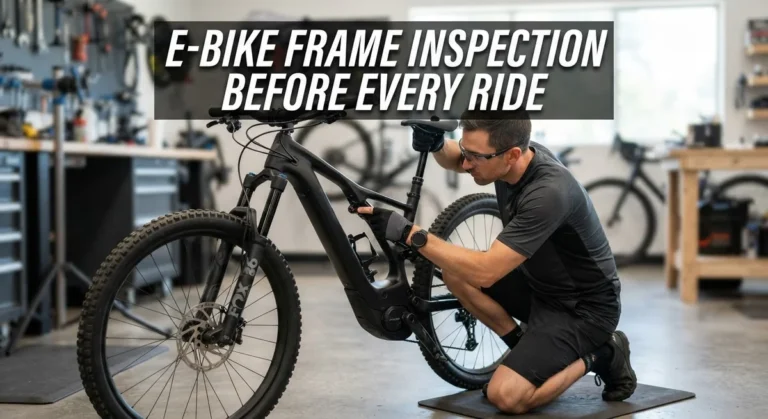
Inspect the frame, handlebars, and seat post for cracks, bends, or loose bolts. Any new scratch or wobble deserves a closer look.
Check the battery area and charging port next. Make sure the cable is not frayed and the connection feels snug.
Keep a short log of anything unusual. A note helps you spot patterns, such as a brake that feels weak several times in one week. Keep the log near your garage door so you remember to use it.
Stop riding right away if the brakes fail, a wheel wobbles, or a tire looks damaged. Fix the issue or ask a trained shop for help. Your safety always comes first.
These habits take less time than charging the battery. Over time, they become second nature and keep every ride smooth.
Weekly Tasks: Cleaning, Tire Pressure, Brakes, and Chain Lubrication
Weekly tasks keep your electric bike clean, safe, and smooth. They take less time than most riders expect. Pick one day each week for this routine.
Start with a gentle clean. Wipe the frame and components with a damp cloth. Mud and grit can work into moving parts over time. Removing them each week protects the drivetrain and paint.
Check tire pressure with a gauge. Find the recommended range printed on the tire sidewall. Inflate the tire until it sits inside that range. Low pressure makes the bike feel sluggish and raises the risk of pinch flats.
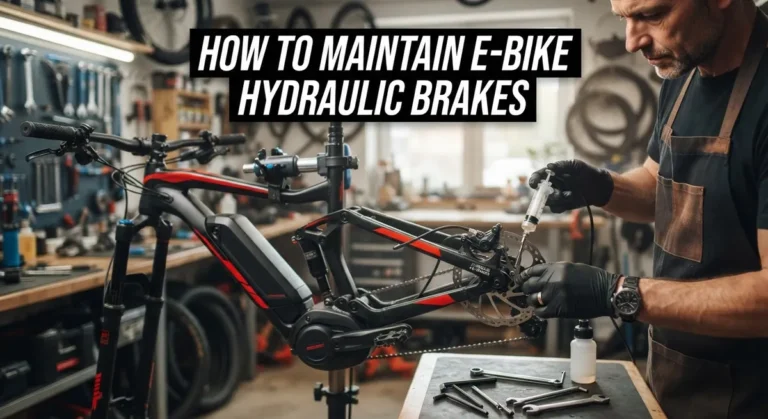
Test the brakes slowly. Squeeze each lever and roll the bike forward. Notice how far the lever travels before the brake grabs. If the lever feels soft or stopping takes longer, adjust the brakes soon.
Look at the brake pads too. Check for thin spots, uneven wear, or debris stuck between the pad and rotor. Clean pads grip better and stop you faster.
Lubricate the chain lightly. Wipe the chain clean with a rag first. Apply one small drop to each roller, then let it sit for a minute. Wipe away the extra oil so it does not collect dirt.
Keep a simple weekly log. Write down the date and what you checked. Note anything unusual, such as a soft lever or a quick drop in pressure. Patterns show up fast this way, so you can spot problems early.
Consistency matters most. Small weekly habits prevent bigger repairs later. Your electric bike will reward you with safer rides, quieter operation, and longer part life.
Monthly Checks: Going Beyond the Weekly Routine
Check the bolts. Electric bikes vibrate more than regular bikes because of the extra weight and motor. Use a hex key to check the stem, seat post, handlebar, and axle bolts. Tighten any that feel loose, but do not overtighten them.
Check the rotors. Look for bends, warping, or heat marks on the metal. Bent rotors cause pulsing at the lever and reduce stopping power. Straighten or replace them before they cause a skid.
Check wheels and bearings. Squeeze pairs of spokes together. They should feel firm and even. Spin each wheel and listen for grinding. Feel for sideways play at the hub, since that signals worn bearings.
Look at the drivetrain. Measure chain stretch with a chain checker. A stretched chain wears the cassette and chainring faster. Check the derailleur hanger and pulleys for grit and wear. Shifting feels rough when links wear out.
Review the battery connections. Look at the battery case for cracks or swelling. Inspect connector pins for green corrosion or bent metal. Make sure the charger cable shows no damage.
Check suspension and cables. Clean fork stanchions and look for oil leaks. Replace any cable that feels stiff or frayed.
Keep notes. Record bolt checks, rotor condition, and any strange noises. Patterns help you spot wear early. Your notes also guide when to book professional service.
Periodic and Yearly Professional Service
Professional service fits into a longer maintenance plan. Home checks catch most everyday problems. A shop visit covers the parts that need special tools and training.
Most riders plan a yearly visit. The exact timing depends on how often you ride, the terrain, and the weather. Riders who commute daily often need service sooner than weekend riders.
Check your owner manual first. Each electric bike model lists its own service points. Follow those intervals because guides vary by product line.
What does yearly maintenance include? A shop can check the motor drive system, the wiring harness, and the hub bearings. Technicians also inspect the brake system in depth and adjust it.
Can you do it yourself? Many owners handle simple tasks at home. Adjusting brake levers, cleaning the drivetrain, and tightening bolts are good starting points.
Leave electrical work to professionals. Motor, controller, and battery repairs carry real risk. Shops hold the right diagnostic equipment. Mistakes can damage parts or cause injury.
Ask yourself a few questions. Do you feel comfortable with tools? Do you have a safe work area? If not, book a shop. Many shops also offer a basic inspection with each visit.
Keep records of every visit. Write down the date, the mileage, and the work done. This history helps your technician spot patterns. It also helps when you sell the bike.
Schedule service before a big trip or before the riding season starts. This timing helps you avoid breakdowns when you need the bike most. Spring tune ups work well for many riders who ride more in warmer months.
DIY Maintenance vs. Shop Service: What Owners Can Handle
Sorting tasks by risk makes the choice easier.
Simple jobs usually carry low risk. Fixing a flat tire is one example. Adjusting brake levers is another.
Start with the tools you already own. A tire lever, a patch kit, and a pump cover most roadside repairs.
Brake pad replacement is a good next step. Remove the wheel, slide out the worn pads, and fit new ones.
Check that the pads sit square before you tighten anything. Bed in new pads with a few gentle stops.
Cable tension and gear indexing also suit home work. Small turns of the barrel adjuster often fix skipping shifts.
Some tasks always belong with a trained technician. Anything involving high voltage calls for extra caution.
Never open a battery housing at home. Damaged cells can overheat or catch fire.
Software updates and fault codes often need dealer tools. A shop can read codes that basic home kits miss.
Torque settings deserve close attention. Bolts that are too loose can work free. Bolts that are too tight can strip threads.
A torque wrench helps prevent both problems. Keep the manufacturer torque chart nearby while you work.
Wheel truing takes practice and patience. A wobbly rim that needs spoke work usually goes to a shop.
Shops bring specialized equipment and training. Many also check frame alignment and stress points.
Warranty coverage can depend on who did the work. Keep receipts and notes for every repair you make.
Know when to stop. If a fix feels unclear, pause and book a visit with a local shop today.
Following Your Model’s Specific Service Schedule
Every electric bike model comes with its own service plan. Manufacturers set intervals based on the motor, battery, and components they install. Reading that plan helps you ride safely and avoid surprise repairs.
Start with the owner manual. It lists the recommended check points, timing, and torque values for your exact model. Read it once before your first ride. Keep it in a safe place so you can find it quickly.
Build a schedule from the manual. Turn the listed items into a simple calendar. Mark weekly tasks, monthly tasks, and any service dates the brand suggests.
Weekly habits matter most. Wipe the frame and components with a damp cloth. Check tire pressure, brake responsiveness, and chain lubrication. These quick steps reveal problems early.
Monthly checks add depth. Go beyond the weekly tasks each month. Review your notes and compare them with the last few weeks. Look for changes in how the bike brakes, shifts, or feels under power.
Adjust for riding conditions. Wet roads, mud, and sand shorten service intervals. Frequent riders also need checks sooner than occasional riders. Let your schedule reflect how you actually ride.
Watch for model differences. Some electric bikes use different chains, belts, or hub motors. Some brands list longer or shorter intervals. Never copy a schedule from a friend’s bike.
Ask the dealer when unsure. If the manual feels unclear, call the seller or brand support. They can confirm intervals for your model year. Write down their answer for future reference. Save each schedule update in your notes so you never lose track.
Common Service Interval Mistakes to Avoid
Many riders make small errors with their service plans. These mistakes can shorten the life of the bike and raise safety risks.
Mistake one: Waiting for something to break. Many riders wait until a noise or problem appears. By then, wear may have spread to other parts. Regular checks catch issues early.
Mistake two: Skipping the weekly habits. Weekly wiping and quick inspections can feel minor. Yet they reveal grit, loose parts, and early damage before those issues grow.
Mistake three: Ignoring brake responsiveness. Brakes matter most for rider safety. Test them before every ride. If the lever feels soft or the bike slows late, stop and inspect the system right away.
Mistake four: Copying a friend’s schedule. A friend’s bike may use a different motor, battery, or drive system. Use the schedule that matches your own model instead.
Mistake five: Forgetting tire checks. Tires wear slowly, so owners often overlook them. Check pressure and tread on a regular basis. Worn tires reduce grip and raise the chance of a fall.
Mistake six: Treating the schedule as optional. Some riders keep a calendar but never follow it. Set phone reminders for each task. Mark each item as done so nothing slips through.
Mistake seven: Over lubricating the chain. Extra oil attracts dirt and grime. That mix can wear the chain faster. Wipe off the excess and apply a thin, even coat instead.
Avoiding these errors saves time, money, and stress. A simple routine keeps your electric bike safe, smooth, and ready for every ride.
Final Thoughts
Service intervals work best when you keep them simple. Your riding habits set the pace. A rider who commutes daily needs more frequent checks than someone who rides on sunny weekends.
Start with small habits. Quick checks happen before or after each ride. Look at your tires, test your brakes, and listen for odd sounds. These steps take only a few minutes.
Add a weekly routine. Wipe the frame and components with a damp cloth. Check tire pressure, brake response, and chain lubrication at the same time. Brake checks protect you, and tire checks help your tires last longer.
Then plan monthly checks. These go a bit deeper than your weekly tasks. Your owner manual lists the details for your bike.
Professional service fills the remaining gaps. A trained technician handles battery, motor, and software work. Ask your shop how often your model needs a visit, since yearly needs differ by bike.
Always follow the schedule for your own model. Guides vary between product lines, so a friend’s plan may not fit your bike.
Write down each check you complete. A simple log helps you spot patterns. It also gives your technician useful details.
Finally, put your plan on a calendar and stick to it. Small, steady habits prevent big repairs. They also keep your rides safe, smooth, and fun.
Frequently Asked Questions
What yearly maintenance does an electric bike need?
Yearly care looks at the whole bike. Check wheel spokes, brake pads, cable wear, and bolt tightness. Look for loose parts, cracks, or worn tread. Write down what you find so you can spot patterns over time.
Can I do yearly maintenance myself?
Many owners handle simple tasks at home. Cleaning, checking tire pressure, and inspecting cables are good examples. Work on the motor, battery, wiring, or software should go to a trained shop. Your owner manual shows which tasks are safe for home care.
Should a shop handle the yearly service?
A shop works well for a full yearly check. Mechanics can test the drive system, review software, and check electrical connections. Ask the shop what their yearly package includes. Clear answers help you compare options.
How do I know when my brakes need attention?
Watch for a soft lever feel or slower stopping power. Squealing or grinding sounds also signal wear. Check brakes before most rides because brakes matter most for safety. Replace worn pads early to protect your stopping power.

Philips is the founder and lead writer at GearheadGarageFinds.com, a passionate automobile enthusiast who has spent years testing, comparing, and reviewing auto products and accessories to help fellow gearheads make smarter buying decisions. When he’s not under the hood or behind the keyboard, you’ll find him exploring the latest automotive innovations and hunting for the best garage finds on the market.