
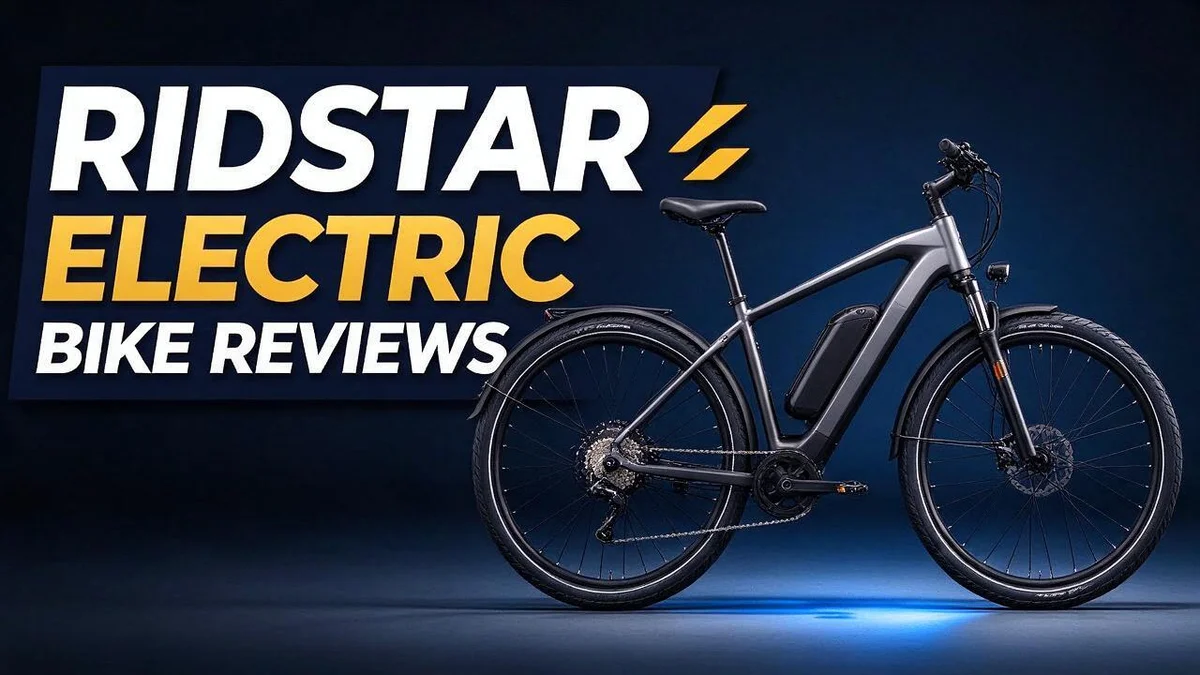
Ridstar Electric Bike Reviews: Q20 and Q20 Pro Specs, Performance, and Pros and Cons
Looking for a fun and powerful electric bike for every ride? The Ridstar Q20 has caught the eye of many riders. It packs a 48V, 1000W motor and a large battery.
Owners praise its sturdy frame, dual suspension, hydraulic brakes, and fat tires. Many say it feels strong on rough trails and city streets. Still, some riders report mixed experiences with batteries, wiring, and customer service. Others mention that the seat does not adjust.
In this guide, you will find honest Ridstar electric bike reviews. We cover specs, real rider feedback, and how it compares to rivals like the Velotric Breeze 1. Keep reading to see if this bike fits your riding style.
In a Nutshell
- Strong power for daily fun: The Q20 runs on a 48V system with a 1000W motor. Riders can tackle hills and quick starts with ease.
- Big battery range: Riders get a large battery capacity that helps on longer rides between charges. This means fewer stops to plug in during a full day out.
- Comfort varies by rider: The wide saddle feels relaxed for many people. However, the seat does not adjust, so taller or shorter riders may find pedaling tough.
- Reliability is mixed: Some owners report problems with batteries, wiring, and motors. Customer service feedback also varies from rider to rider.
- Speed claims need caution: The Q20 Pro lists dual motors and high top speeds, but these are promotional claims. Some riders on forums say the frame and suspension may not handle very high speeds.
- A rival worth a look: The Velotric Breeze 1 feels lighter and smoother, which makes it a strong pick for everyday commuting. It also feels easier to carry up stairs or load onto a rack.
Motor and Power Output
Motor power shapes how the bike feels on every ride. A strong motor makes hills feel shorter and less tiring. This matters most when you start from a stop on a slope.
Wattage is only part of the story. Torque shows how quickly the bike pulls away from a stop. Riders who carry cargo or heavier loads often notice torque more than top speed.
Steep, long climbs push any motor hard. Gentle slopes feel easy for most riders, but long grades can build heat. Plan shorter climbs or use pedal help to ease the load.
How you ride changes power use, too. Throttle starts drain the battery faster than gentle pedaling. Using pedal assist often stretches each charge and keeps the motor working in a steady way.
Stop and go traffic places a different demand on the motor. Frequent starts use more energy than steady cruising. Riders in busy areas should plan for shorter trips between charges.
Modding raises extra concerns. Builds on 72 to 84V setups reach 50 to 70 mph, but these results are not stock. Riders who push for speed should expect faster wear on brakes, tires, and wiring.
A strong motor also needs regular checks. Look at connectors and bolts often, since vibration can loosen them. Keep the motor area clean and dry to avoid trouble.
Local laws matter, too. Some cities treat high wattage e-bikes as mopeds. Check your area rules before riding on bike paths or public roads.
Test rides reveal a lot. Try a steep hill and listen for odd motor noise. Notice whether power builds smoothly or feels jerky when you start moving. A short test ride tells you more than any spec sheet.
Ultimately, match motor power to your daily needs. Riders who climb hills or carry gear benefit most from strong torque. Casual riders on flat paths may not need extreme output.
Frame, Suspension and Ride Comfort
Frame and suspension shape how every ride feels. The frame carries the weight of the rider, the battery, and the motor. A solid build keeps the bike steady, but it can also pass bumps straight through to your body.
Many riders find the bike feels stable on smooth city streets. Rough gravel paths and deep potholes put more strain on the suspension. Good shock absorption helps your hands, wrists, and back stay relaxed over a longer trip.
Speed needs a careful look. Some riders on forums like r/ebikes question whether the frame and suspension can handle high speeds. Staying within a sensible range keeps the ride safer and protects the parts over time.
Seat fit is another key factor. The seat does not adjust, so it may not suit every body type. Shorter riders may stretch too far to reach the pedals. Taller riders may feel cramped, so they should test the fit before committing to a long ride.
Try a short test ride first. Notice how your knees feel after ten minutes of pedaling. Check whether your lower back aches when you sit upright. These small signs often reveal more than any spec sheet.
Tire pressure also changes comfort. Wide tires soak up small bumps and grip loose dirt. They add some weight, though, and can feel slower on smooth pavement. Lower pressure gives a softer ride, but it raises the risk of pinch flats, so check the pressure often.
Suspension needs regular care. Clean the fork seals and check the shock bolts every few weeks. Loose hardware can cause rattles and reduce control on fast descents.
Comfort depends on your body, your roads, and your riding style. Pick a setup that feels calm and controlled for your own needs.
Brakes and Safety
Braking matters more than many riders expect. A heavy electric bike needs dependable stopping power on every trip.
Hydraulic brakes respond with less hand effort than basic cable brakes. Still, they need steady care to stay sharp.
Pad wear happens faster on a powerful bike. Check your brake pads every few weeks. Replace them when the grooves look thin or the braking feels weak.
Brake fluid also needs attention. Old fluid can lose its response over time. Ask a bike shop to bleed the lines once a year.
Lever feel tells you a lot. A soft or spongy lever can mean air in the lines. Squeeze the lever at a standstill before each ride. If it sinks close to the bar, stop riding and get it checked.
Rotors need a quick look too. Oil or grease on the rotor can cause squeal and weak stopping. Keep your hands clean when you adjust the wheel or tire.
Test the brakes in a quiet area first. Roll slowly, then squeeze each lever. Feel how fast the bike slows. Practice stops until the response feels natural.
Wet weather changes everything. Water on the rotor and rim lowers grip. Leave extra space between you and cars. Brake early and gently, especially on painted lines or wet leaves.
Lights and reflectors add safety too. Front and rear lights help drivers see you at dusk. Reflective strips on the wheels and pedals make you easier to spot from the side.
Helmet choice matters as well. A well fitting helmet protects your head during a sudden stop. Choose one with a snug strap and a certified safety label.
Speed control starts with habit. Brake before a turn, not during it. Use both brakes together for balanced stopping. Keep your hands on the grips and your eyes up.
Local rules also affect safety. Some areas require lights, a bell, or a helmet. Check the rules before you ride on public roads.
Top 3 Alternatives
Looking for a different ride? These three electric bikes make great options. Each one offers a fun and practical way to get around.
Aventon Sinch.2

- 1500W Peak Brushless Motor Electric Bike: Powerful performance at your side! The ebike is equipped with a...
- 48V 20Ah(960Wh) Long-Range Battery Ebikes for Adults: Comes with anti-theft lock and an upgraded 48V 20Ah...

Last update on 2026-11-26 / Affiliate links / Images from Amazon Product Advertising API
The Aventon Sinch.2 is a lightweight commuter built for city streets. It folds up for easy storage in a small apartment or car trunk. Riders get a smooth, quiet motor that helps on hills. The step through frame makes mounting simple for everyone. It suits people who ride short trips and want a clean, modern look.
Lectric XP 3.0

- 【Excellent Motor Performance】This electric bike is equipped with a high-performance 750W rated motor(1500W...
- 【Upgraded Removable Battery】 Powered by a 48V 15Ah removable battery, the ebike can be fully charged in...
Last update on 2026-11-27 / Affiliate links / Images from Amazon Product Advertising API
The Lectric XP 3.0 is a foldable ebike with fat tires. Those wide tires soak up bumps on rough roads and gravel paths. The bike also includes a clear display that shows speed, battery level, and assist mode. It works well for daily errands and weekend rides. Many riders pick it for its simple setup and practical design.
Heybike Ranger

- [More Powerful]- Compared with the Ranger, the Ranger 2.0 has upgraded the motor and increased the output...
- [For All-Terrain]- The 20 x 4 ”fat tires of Ranger 2.0 are like shoes for the earth, giving the rider the...
Last update on 2026-11-26 / Affiliate links / Images from Amazon Product Advertising API
The Heybike Ranger brings a rugged look and a comfortable seat. Its fat tires grip well on sand, snow, and dirt trails. The bike has a powerful motor that climbs steep grades with ease. Riders who want an all terrain option should give it a close look.
Choosing the right bike depends on your daily routes. Think about storage, terrain, and how far you ride. Test each model if you can, then pick the one that fits your life.
Battery and Range
Your battery sets the limit on every ride. It stores all the energy that powers your trips. Learning how it behaves helps you plan longer rides with less stress.
The Ridstar Q20 uses a 48V system with a large battery. This gives you room to run errands, commute, or explore new roads. You can plan longer routes without watching the power bar too closely.
Treat published range numbers as a starting point. Many brands measure range under gentle conditions. Your real distance depends on your body weight, the hills you climb, and how much help you ask from the motor.
Try a range test on a familiar route. Charge the battery fully and ride your normal loop. Write down how far you go and how much charge remains. This simple check shows you what to expect on your daily roads.
Charging habits matter more than many riders think. Lithium cells last longer when you avoid running them completely flat. Try to recharge after your ride instead of waiting until the battery is almost empty. Also, charge indoors where the temperature stays mild.
Cold weather cuts range quickly. Low temperatures slow the chemical reactions inside the battery. On chilly mornings, expect a shorter trip than usual. Keeping the battery warm before you ride can help you get more distance.
Heat is just as harmful. Never leave the battery in a hot car or in direct sunlight. High heat wears the cells faster and can shorten their life.
Storage needs a plan too. If you will not ride for several weeks, store the battery at about half charge. Keep it in a cool, dry place. Check the charge every month or so and top it up if needed.
Watch for warning signs. A swollen case, a strange smell, or a battery that heats up during charging needs attention right away. Stop charging and contact the seller or a repair shop before you use the bike again.
Modding and Speed Potential
Stock speed and modded speed are two different things. The Ridstar Q20 ships with a 48V system from the factory. Modified builds on 72 to 84V setups can reach 50 to 70 mph, but those results are not stock.
Voltage upgrades push more power through the motor. The controller must handle that extra load. If it cannot, it may overheat or fail without warning.
Motor heat rises fast at high speed. Long hills at full throttle warm the windings quickly. Let the motor cool between hard climbs. Feel the housing gently after each ride.
Speed also changes how much grip the tires need. Stock tires handle moderate speeds well. At higher speeds, they can slide on painted lines, gravel, or wet leaves.
Legal limits matter as much as mechanics. Many areas cap the speed of motorized bikes. A modded ride may break those rules, and police can stop riders for it.
Warranty coverage often ends after modifications. Keep the stock controller and wiring safe. You can restore the bike before any service visit.
A safer way to test speed exists. Use a GPS app on a quiet road or closed course. Ride at a steady pace and note how the bike responds before you push higher.
Real speed depends on your body and your route. Heavier loads slow the bike down. Hills, headwinds, and stop signs also cut the number on your display.
Your choices shape the outcome. Start slow, build trust with the stock setup, and only then consider changes. Small steps keep the ride fun and safe.
Honest expectations keep speed exciting. The stock Q20 suits commuting and trail rides well. Pushing it beyond its design brings more risk than many riders expect.
Ride within your skill level every time. Check your gear before each trip. A calm, controlled ride always beats a fast, risky one.
Pros and Cons
Pros
- Sturdy frame: It holds up well on rough daily routes.
- Dual suspension: It soaks up bumps on trails and city streets.
- Wide saddle: Many riders find it comfortable on longer trips.
- Fat tires: They give good grip on gravel and dirt.
- Lively feel: Many owners say it feels fun and powerful.
Cons
- Mixed reliability: Owners report different experiences with parts over time.
- Customer service: Some riders say support takes a while to respond.
- Fixed seat: The seat does not adjust, so pedaling feels hard for some heights.
- Wiring checks: Some owners point to wiring concerns that need a closer look.
Who Should Buy It
The Ridstar Q20 fits some riders far better than others. Knowing your riding style makes the choice much easier.
Riders who love fun on mixed ground will feel at home. The bike handles dirt paths, gravel trails, and busy streets. It suits people who enjoy adventure more than a quiet, smooth ride.
Riders who enjoy hands on care often do well here. Owners who check bolts, wiring, and battery connections early catch small issues fast. A simple monthly routine keeps the bike in strong shape.
Riders who plan ahead for service have a real advantage. Save your receipts, note the seller contact details, and read the warranty terms before you ride. This preparation helps if you ever need support.
Riders should test the fit in person whenever possible. Sit on the bike, reach the handlebars, and check that your feet touch the ground when you stop. A short test ride reveals more than any spec sheet.
Riders who want a quiet daily commuter may prefer another option. Lightweight models like the Velotric Breeze 1 feel smooth and easy for everyday trips. Compare both bikes side by side before you decide.
New riders should start slowly. Electric power arrives quickly on a bike this capable. Practice in an empty parking lot first, then build confidence before riding in busy traffic.
Riders who ride in mixed weather should plan extra care. Wet trails and loose gravel demand steady braking and slower corners. Good habits protect both the rider and the bike.
Casual riders who want simple, low effort rides should look elsewhere. The Q20 rewards people who enjoy exploring and tinkering with their gear. Choose it for adventure, not effortless errands.
Riders who enjoy community often find owner groups helpful. Forums and local clubs share repair tips and ride ideas. Connecting with other owners builds confidence fast.
Final Verdict
The Ridstar Q20 is a fun ride with clear trade-offs. It suits riders who enjoy a bold, rugged machine. It may not suit everyone.
Think of this bike as a project partner. Owners who stay on top of maintenance enjoy it most. Those who expect zero upkeep often feel let down.
Start with your daily routine. A rider who needs a light, quick commuter will struggle here. Slimmer models handle stop and go trips more easily.
Your riding terrain matters most. The Q20 handles gravel, dirt, and city streets with confidence. Pavement-only riders may not use its best features.
Theft protection matters with any powered bike. A strong lock and a registered frame number add peace of mind.
Long-term owners often follow a simple routine. They clean the drivetrain, check tire pressure, and tighten fasteners on a set schedule. This habit prevents small issues from becoming bigger repairs.
Online owner groups can also help. Members share fixes, photos, and tips. Asking questions there often saves time and stress.
A final test ride settles the decision. Spend real time on the bike before you commit. Notice how the throttle responds and how the controls feel under your hands.
Bottom line: the Q20 rewards curious owners. It offers strong features and a playful spirit. Stay patient, stay informed, and it can become a dependable companion for many adventures.
Frequently Asked Questions
Is the Ridstar Q20 a good choice for beginners?
It can work for new riders who want plenty of power. Start in a quiet area and learn the brakes first. Power takes some getting used to, so ride slowly at first until the controls feel natural.
Should I trust the top speed claims?
Not fully. The listed top speeds are promotional numbers, so real results may differ. Modified builds can go faster, but those setups are not stock. Treat any speed claim as a starting point, not a promise.
Can I ride it on public roads?
Rules vary by region. Many places classify powerful electric bikes like mopeds. Check your local laws before riding on streets or shared paths. Some areas may require registration, a license, or a helmet.
What should I check before buying a used model?
Ask whether the bike was ever modified. Modified builds may void warranties or create safety risks. Also ask for the original paperwork and the battery history. A clear record makes the ride safer and easier to service.

Philips is the founder and lead writer at GearheadGarageFinds.com, a passionate automobile enthusiast who has spent years testing, comparing, and reviewing auto products and accessories to help fellow gearheads make smarter buying decisions. When he’s not under the hood or behind the keyboard, you’ll find him exploring the latest automotive innovations and hunting for the best garage finds on the market.


