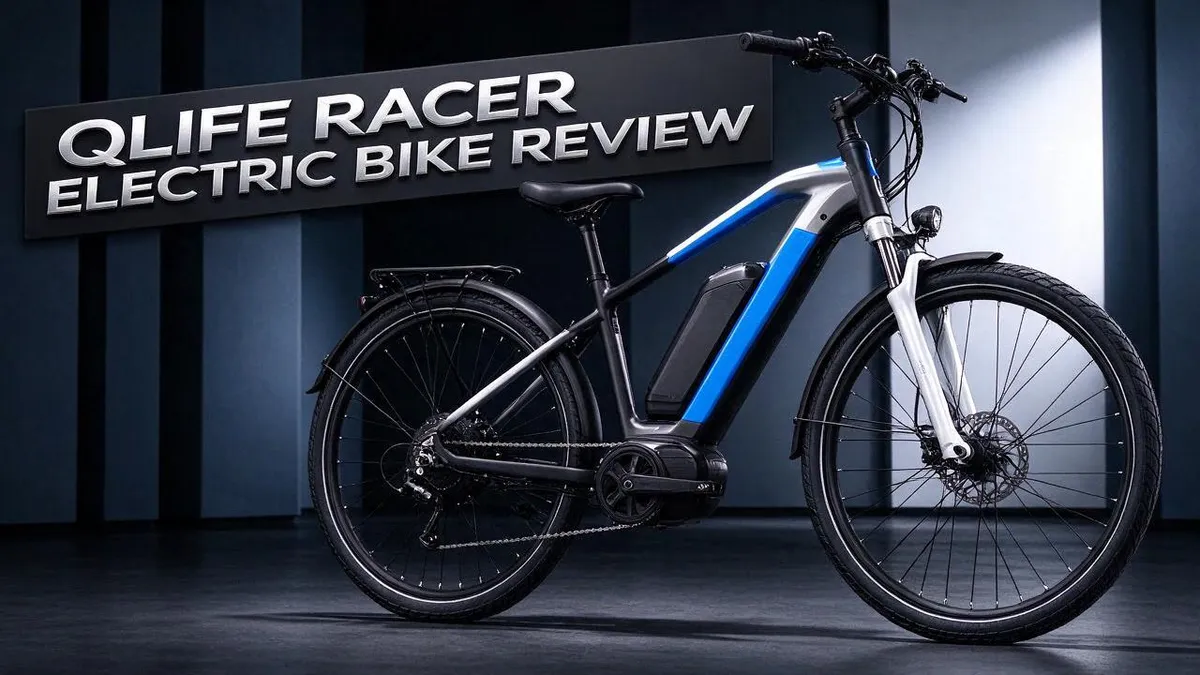
Qlife Racer Electric Bike Review: Power, Fat Tires, and Full Suspension Explained
Looking for an electric bike that handles rough trails and city streets? The Qlife Racer could be the ride you need. It brings serious power and a fun, confident feel to every trip.
The Racer Fat Tire 2.0 offers a 1800W peak motor and full suspension. Its wide 20×4 fat tires grip loose dirt, sand, and gravel. A 48V 748.8Wh removable battery keeps you moving for longer rides.
Many riders often praise the bike in online reviews. YouTube reviewers describe their experience as positive. Amazon also lists it as an Amazon’s Choice pick, which shows strong shopper interest.
In this guide, you will learn what makes the Qlife Racer stand out. We will also look at key features and how it compares with other popular models.
In a Nutshell
-
Wide fat tires for mixed terrain: The 20×4 tires grip dirt and gravel well. They also soak up bumps on busy city streets.
-
Removable battery for easy charging: The 48V 748.8Wh battery slides out of the frame. You can charge it indoors without moving the whole bike.
-
Possible comfort benefit: One source says the ergonomic design eases back and joint strain on long rides. This claim is not verified, so test it before you plan a long trip.
-
Positive buzz from riders: Reviewers and YouTube creators describe the bike in friendly terms. Many riders seem happy with their experience.
-
Amazon’s Choice status: The Racer carries this label, which helps shoppers spot popular picks. Still, read fresh reviews before you decide.
-
Competitors worth comparing: Veloctric, Hemiway, and Wired Freedom often come up in rider discussions. Compare features, ride feel, and reviews side by side with the Racer.
Motor Power and Performance

- Experience the versatility of our 21-Speed Gearset: Engineered for every terrain, our professional gearing...
- The youthful and stylish commuter e-bike features four riding modes, including a Peak 1000W brushless...
Last update on 2026-11-27 / Affiliate links / Images from Amazon Product Advertising API
Power shapes how a bike feels on every ride. The Qlife Racer pairs its motor with a 48V system. This setup aims to give riders a lively start from a stop.
Peak power is the highest output the motor can reach for short bursts. Continuous power is the steady level it can hold over time. Check both numbers before you decide.
Hill climbing is where motor strength really shows. Strong torque helps the bike handle steep grades with less effort. The Racer’s peak rating points to solid climbing power.
Acceleration matters in busy traffic. A quick launch helps riders merge, cross intersections, and keep pace with cars. Smooth power delivery makes these moments feel easier.
Top speed is a separate question. The research did not list a verified top speed for this model. Check local rules before you ride fast, since many areas set limits for electric bikes.
Throttle response shapes the daily feel. Some riders enjoy a gentle start, while others want instant power. Think about your typical routes before you choose a style.
Power use also affects range. Heavy throttle use drains the battery faster than light pedaling. Riders who climb often should plan shorter trips or carry a charger.
Fat tires add grip, but they also add rolling resistance. The motor must work harder on smooth pavement. Riders often notice this on quick commutes.
A short test ride tells you more than specs alone. Try a few hill starts and hard stops. Pay attention to how smoothly the power arrives.
Motor cooling matters on long climbs. Heat can reduce output during extended use. Give the bike short breaks on steep trails to keep power steady.
The research found no reported complaints about motor performance. It also lacked continuous power ratings and hill test results. Read recent owner feedback for real world climbing stories.
Frame, Suspension and Build Quality
The frame sets the base for every ride. It holds the motor, battery, and wheels together. Good frame design keeps the bike steady when the trail turns rough. Strong geometry also helps the rider feel balanced in corners.
Frame size matters more than many shoppers expect. A rider should stand over the top tube with a little space between. This small check prevents discomfort and helps with control at stops. Try several positions before deciding.
Suspension travel is the next thing to think about. Travel means how far the shocks can compress before they bottom out. More travel can soak up big drops. However, it may also make the bike feel softer when pedaling hard.
Sag is a simple way to tune the feel. Sit on the bike in riding gear and check how far the suspension squats. Many riders aim for a comfortable middle range. Then they adjust the spring preload if the ride feels too stiff or too loose.
Pivot points and bolts deserve a close look. Gently rock the wheel side to side and feel for play. Any clunk or wobble may point to a loose bolt or worn bushing. Tighten or service these parts before longer rides.
Welds and joints show build quality too. Smooth, even welds usually suggest careful assembly. Look for clean paint near each joint, since chips can hide early rust on some metals. Inspect the area after rainy rides.
Brake mounts and cable routing also matter. Neatly routed cables resist snags on branches and reduce rattles on bumpy paths. Clean routing also makes future maintenance faster. Check that cables move freely without kinks.
Finally, ask about the frame material and warranty before buying. The product details do not name a specific frame material, so check the product page or contact the seller directly. A clear warranty shows confidence in the build. Keep receipts and documents together.
Fat Tires and Terrain Handling
Tire pressure changes the ride more than most riders expect. Lower pressure spreads the contact patch across loose ground. Higher pressure rolls easier on smooth pavement.
Start with a softer setting on dirt trails. Then add air before you return to paved streets. Check the gauge before each ride, because tires lose air over time.
Sand and snow ask for a different approach. Wide tires help you float over soft surfaces. Keep your pedaling smooth and steady so the bike does not dig in.
Gravel and wet leaves can hide slick spots. Brake gently and early. Sudden braking may lock the wheels and cause a slide.
Curbs and rocks test your balance. Approach at a slight angle. Let the wheel roll up the edge instead of hitting it straight on. Keep your weight centered over the pedals.
Cornering on loose dirt needs a different line. Slow down before the turn. Lean the bike gently and look toward the exit. Avoid grabbing the brakes in the middle of a turn.
Thorny trails can cause flats. Check your tire sidewalls for cuts after each outing. Carry a basic repair kit and a small pump.
Wet mud builds up between the tread blocks. Clean the tires after muddy rides. This keeps the tread working well and makes the next ride safer.
Weather changes grip too. Dry dirt feels firm, while damp clay can turn slick. Adjust your speed to match the surface you see ahead.
Quick checks help before every outing. Spin each wheel and watch for wobble. Tighten the axle nuts if they feel loose.
Long downhill runs on rough ground can tire your hands. Relax your grip on the bars. Stand up on the pedals so your legs absorb the bumps.
Practice on a quiet open area first. Build confidence before you tackle steep trails or deep sand. Scout new routes on foot when possible.
Good habits keep every trip fun and safe. Wear a helmet and gloves on each ride. Gloves protect your palms if you fall on gravel.
Top 3 Alternatives
Aventon Pace 500

- Power & Compatibility- 48V 14Ah (672Wh) high-capacity battery pack with 30A max constant discharge. Perfectly...
- Premium Cells & Long Life- Built with high-quality A-Grade 3500mAh lithium-ion cells. Engineered for...
Last update on 2026-11-27 / Affiliate links / Images from Amazon Product Advertising API
Some riders want a bike that feels fast and smooth. The Aventon Pace 500 fits that need well. It uses a strong motor that helps you climb hills with less effort. Its wide tires absorb bumps on city streets, so every ride stays comfortable.
The Pace 500 also offers a long battery range. You can ride many miles before you need to recharge. Integrated lights and fenders keep you visible and dry during rainy commutes.
Lectric XP 3.0

- 【Excellent Motor Performance】This electric bike is equipped with a high-performance 750W rated motor(1500W...
- 【Upgraded Removable Battery】 Powered by a 48V 15Ah removable battery, the ebike can be fully charged in...
Last update on 2026-11-27 / Affiliate links / Images from Amazon Product Advertising API
The Lectric XP 3.0 is a favorite among commuters and families. It folds up quickly, so it fits in a small apartment or a car trunk. The fat tires give extra grip on gravel and sand. You feel stable even on rough paths.
The XP 3.0 has a bright display. It shows your speed, battery level, and assist mode at a glance. The rear rack holds groceries or a backpack with ease.
Heybike Ranger

- [More Powerful]- Compared with the Ranger, the Ranger 2.0 has upgraded the motor and increased the output...
- [For All-Terrain]- The 20 x 4 ”fat tires of Ranger 2.0 are like shoes for the earth, giving the rider the...
Last update on 2026-11-27 / Affiliate links / Images from Amazon Product Advertising API
The Heybike Ranger is a great pick for trail adventures. Its wide tires and front suspension handle dirt roads and uneven ground. The frame feels solid under your weight, so you can ride with confidence.
Riders enjoy the upright seating position. It gives a relaxed view of the scenery. The Ranger also carries camping gear well on its rear rack, which makes weekend trips simple.
Ride Comfort and Ergonomics
Comfort matters more than many riders expect. A bike that fits your body keeps you riding longer and feels less tiring. Ergonomics describes how well the bike matches your posture, reach, and weight.
The Qlife Racer is said to use an ergonomic design. One source claims it eases back and joint discomfort on long rides. This claim is not verified, so test the fit yourself before you commit to long trips.
Start with the handlebars. Higher bars keep your back more upright and place less weight on your wrists. Lower bars feel sportier, but they can strain your neck and shoulders over time.
Grips also play a big role. Look for grips that feel firm without feeling hard. Thicker grips often reduce hand fatigue on bumpy roads, so pay attention to how your palms feel after a few minutes.
The seat deserves close attention. Sit on it for several minutes while the bike is stopped. Notice whether your weight settles evenly. A wide, padded seat usually feels better on longer rides.
Check your reach next. Your arms should bend slightly when you hold the bars. If you feel stretched out or cramped, adjust the stem or seat position. A small change can ease pressure fast.
Pedal position matters too. Your knees should bend slightly at the bottom of each stroke. If your knees hit the handlebars or your legs feel locked, the bike may not suit your height.
Your riding position should change during a ride. Sitting upright works well for city streets and relaxed cruising. Leaning forward suits faster sections, but it puts more load on your arms. Shift your weight often to keep your muscles fresh.
Try a simple test before your first real trip. Ride for about ten minutes on smooth pavement. Then stop and check your wrists, back, and legs. If anything feels sore, adjust the setup before riding again.
Comfort grows from small, steady adjustments. Take your time with each change. A bike that fits well will feel natural, and you will enjoy every mile more.
Range, Charging and Portability
The battery shapes every trip. The Qlife Racer uses a 48V 748.8Wh battery that you can remove from the frame. This feature makes charging and carrying much easier.
Charging becomes simple indoors. Take the battery off the bike and plug it in at a kitchen counter, desk, or garage. You do not need to roll the whole bike near a wall outlet.
Range depends on how you ride. Your body weight, the terrain, and your speed all change how far you go on one charge. Hills and soft ground drain power faster than flat pavement. Headwinds can also make the motor work harder.
Plan your rides around the battery. Check the charge before every long trip. Start each outing with a full battery so you can ride with confidence. Leave a safe buffer in your plans for surprises.
Track your own results. Write down how far you ride on each charge. Over time, this habit shows you a realistic range for your routes and riding style.
Keep the battery warm and dry. Cold weather can reduce the power the battery delivers. Store the battery indoors between rides. Avoid leaving it in a hot car, because heat can also wear it down faster.
Think about weight before you lift. The bike has fat tires and a full frame, so it is not light. Lifting it into a car takes two hands and a firm grip. Test the lift at home before you plan a trip.
A rack or ramp makes transport easier. Use a hitch rack for road trips. A ramp helps you roll the bike into a truck bed without straining your back. Secure the bike with straps so it does not shift while you drive.
Pack a charger for longer days. Bring the charger when you travel. A second outlet at a campsite or café can keep you riding without a long wait. Plan these stops before you set out.
Pros and Cons
Pros
- Reviewers reportedly rate the bike well
- YouTube reviews describe it in a positive way
- It is listed as an Amazon’s Choice pick
- The 1800W peak power handles fast trail runs
- Full suspension helps soak up bumps on rough ground
Cons
- Few independent long term reviews are available
- The comfort claims come from unverified sources
- The peak power may feel intense for new riders
- Direct competitor comparisons are limited in current research
Who Should Buy It
This bike suits riders who want a fat tire ride for trails and rough roads. It fits people who already feel comfortable on a bike and want more control on uneven ground.
Weekend explorers often get the most value from it. They can ride gravel paths, dirt tracks, and quiet paved streets in one outing.
Friends who ride together may also enjoy it. A group can plan longer routes and stop at scenic spots without worrying about each rider’s pace.
Parents shopping for a teen should check the rider height and weight limits first. Look for these details in the product listing before you buy. A good fit keeps the ride safe and fun.
Shoppers who like to compare options should take their time. Research shows few direct side by side tests against rival models such as Veloctric, Hemiway, or Ecell. Build your own comparison table with frame size, tire width, and battery details.
Test before you commit. Visit a local shop and ask for a demo ride if one is available. Ten minutes on the saddle tells you more than any spec sheet.
Riders who mostly commute on smooth city roads may want a lighter option. This bike shines when the ground gets rough and the miles get longer. Pick the model that matches your everyday routes and your confidence level.
Final Verdict
The Qlife Racer makes a strong case for riders who want power and a smooth ride. It shows promise on paper. Still, your final choice should rest on your own needs and a few practical checks.
Support matters as much as the spec sheet. Before you order, look into how the brand handles warranty claims. Check whether replacement tires, brakes, and controllers are easy to find. A bike with few repair options can leave you stuck for weeks.
Read the return policy closely too. Save the box, receipt, and packing materials until you know the bike works. Keep every document in one folder so any claim goes smoothly.
Think about the ground you ride most. Fat tires roll slowly on pavement and can feel sluggish on paved roads. If most of your routes are asphalt, you may feel that drag on every trip.
Brakes deserve a close look as well. A motor this powerful needs brakes that stop you quickly and smoothly. Test the brake feel at low speed in a safe, open area before you ride faster.
Gear up before every ride. Wear a helmet, gloves, and eye protection. Choose closed shoes with good grip for the pedals.
Plan regular checks on bolts, tire pressure, and suspension settings. A quick check before each ride keeps small issues from growing. Write these checks on a simple list so you never skip one.
The research shows promise, but the picture remains incomplete. Treat this bike as a strong candidate rather than a sure thing. Your own test ride, your own notes, and your local support options will tell you the most.
Take your time and trust your gut. If the bike feels right on the day you test it, you likely found a good match. Finally, remember the bike is only one part of the plan. Good lights for evening rides and a basic repair kit make every trip safer and more enjoyable.
Frequently Asked Questions
Which bikes compete with the Qlife Racer?
Shoppers often compare it with Veloctric and Hemiway. Users also mention Wired Freedom, Predator, and Ecell models such as Kingstar and Dual Star. Direct side by side tests are limited, so compare the specs yourself.
Are online reviews enough to decide?
Reviews look positive, but the research does not show how many reviews exist. Watch several videos from different creators. Look for riders who use the bike on terrain like yours.
Is this a good first electric bike?
It can suit a new rider who plans to ride carefully. Start in an open area with little traffic. Build speed slowly so the power feels natural. Take a short practice ride before any trail trip.
What does the research not cover yet?
The research does not include long term durability reports. It also does not confirm frame sizes for every rider height. Ask the brand for a sizing chart before you order.

Philips is the founder and lead writer at GearheadGarageFinds.com, a passionate automobile enthusiast who has spent years testing, comparing, and reviewing auto products and accessories to help fellow gearheads make smarter buying decisions. When he’s not under the hood or behind the keyboard, you’ll find him exploring the latest automotive innovations and hunting for the best garage finds on the market.